
Microbiome Diversity: Your Diet’s Hidden Powerhouse
Published on January 24, 2026 by Admin
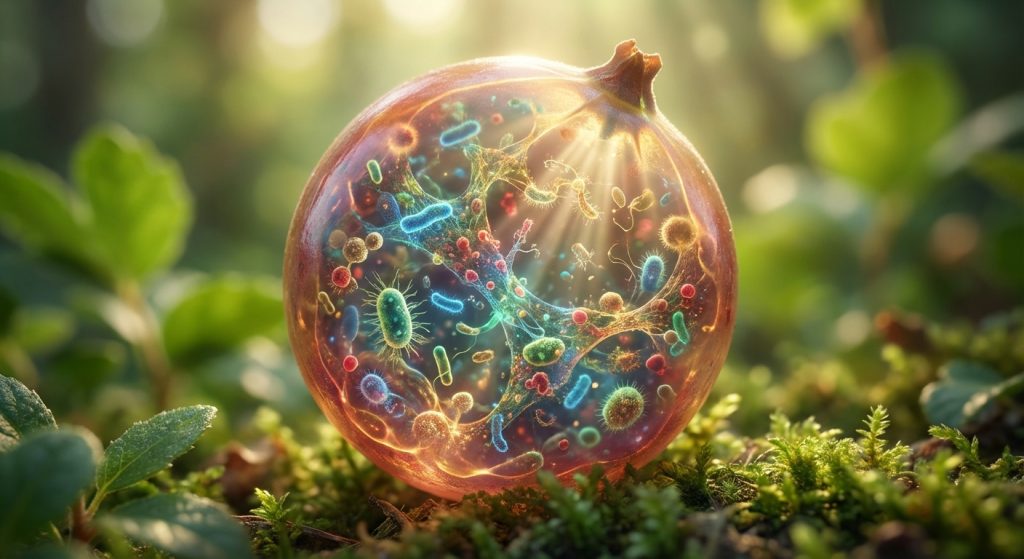
Your gut microbiome is a bustling city. It’s full of trillions of microorganisms. These microbes play a huge role in your health. They affect digestion, immunity, and even your mood. Therefore, nurturing this inner ecosystem is vital. A key way to do this is through your diet. Specifically, the diversity of your diet patterns matters greatly. This article explores how different dietary approaches impact microbiome diversity. It also explains why this diversity is so important for overall health.
The Gut Microbiome: A Complex Ecosystem
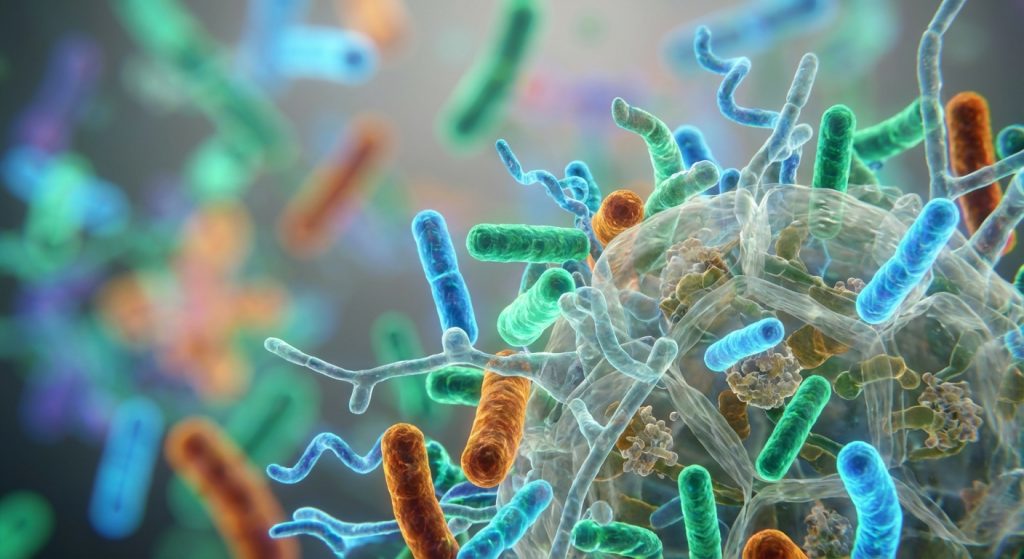
Think of your gut microbiome as a complex ecosystem. It contains bacteria, viruses, fungi, and other microbes. These tiny residents live in your digestive tract. They perform many essential functions. For instance, they help break down food. They also produce vital vitamins. Furthermore, they train your immune system. A healthy microbiome is diverse. This means it has many different types of microbes. Therefore, a varied diet supports this variety.
Why Microbiome Diversity Matters
Microbiome diversity is a marker of good health. A diverse gut microbiome is more resilient. It can better adapt to changes. For example, it can handle challenges like illness or antibiotics. When your microbiome is diverse, it performs its jobs more effectively. This leads to better digestion. It also means a stronger immune response. Conversely, low diversity is linked to health problems. These can include inflammatory bowel disease (IBD) and obesity. Therefore, aiming for diversity is crucial.
Research shows a clear link. Higher microbiome diversity often correlates with better health outcomes. This is because a wider array of microbes can perform more functions. They can also outcompete harmful bacteria. This helps maintain a healthy balance. As a result, your body functions more smoothly.
Dietary Patterns and Microbiome Diversity
Your diet is the primary driver of your microbiome composition. Different foods feed different microbes. Therefore, eating a wide variety of foods is essential. This encourages a wide variety of microbes to thrive. Let’s look at some key dietary patterns.
The Whole Foods Advantage
A diet rich in whole foods is highly beneficial. This includes fruits, vegetables, whole grains, legumes, nuts, and seeds. These foods are packed with fiber. Fiber acts as prebiotic fuel. It feeds beneficial gut bacteria. For example, different types of fiber support different bacterial species. Therefore, eating a wide range of plant-based foods is key. This supports a more diverse microbial community. You can learn more about the importance of a balanced diet by exploring functional foods.
Consider the variety of plant compounds. These include polyphenols. They are found in colorful fruits and vegetables. Polyphenols also act as antioxidants. They can positively influence gut microbes. Thus, a diet filled with different colored produce is excellent. It provides a broad spectrum of nutrients and beneficial compounds.
Fiber: The Microbiome’s Best Friend
Fiber is indispensable for gut health. It is indigestible by human enzymes. However, gut bacteria can ferment it. This fermentation process produces short-chain fatty acids (SCFAs). SCFAs like butyrate are vital. They nourish colon cells. They also have anti-inflammatory properties. Therefore, increasing fiber intake is a direct way to boost microbiome diversity. Aim for at least 25-30 grams of fiber per day. This can come from various sources. Think of whole grains, beans, fruits, and vegetables. This variety ensures different types of fiber are consumed.
Fermented Foods: Probiotic Powerhouses
Fermented foods are a fantastic source of probiotics. Probiotics are live microorganisms. They can provide health benefits when consumed. Examples include yogurt, kefir, sauerkraut, kimchi, and tempeh. These foods introduce beneficial bacteria into your gut. They can help increase microbial diversity. Moreover, they can improve the balance of gut flora. Therefore, incorporating these foods regularly is a good strategy. It directly supports a healthier gut environment.
However, it’s important to choose wisely. Look for products with live and active cultures. Some commercially produced fermented foods may be pasteurized. Pasteurization kills beneficial bacteria. Thus, always check the labels. This ensures you are getting the probiotic benefits.
The Impact of Processed Foods
Conversely, highly processed foods can harm microbiome diversity. These foods often contain low fiber. They are also high in sugar, unhealthy fats, and artificial additives. These components can promote the growth of less beneficial bacteria. For example, artificial sweeteners have been shown to alter gut microbiota. This can lead to dysbiosis, an imbalance. Therefore, limiting processed foods is essential for a healthy gut. It helps prevent the overgrowth of potentially harmful microbes.
Furthermore, emulsifiers found in many processed foods can disrupt the gut lining. This can lead to inflammation. It can also negatively impact microbial diversity. As a result, it’s best to minimize your intake of these items. Focus on whole, unprocessed foods instead.
Specific Diet Patterns and Their Effects
Different established diet patterns have varying impacts on the microbiome. Understanding these can help you make informed choices.
Mediterranean Diet
The Mediterranean diet is widely praised for its health benefits. It emphasizes fruits, vegetables, whole grains, olive oil, fish, and moderate dairy. This diet is rich in fiber and beneficial plant compounds. Studies have shown it promotes a diverse gut microbiome. For example, it increases the abundance of beneficial bacteria like Prevotella. Therefore, it is a well-rounded approach. It supports both overall health and gut microbial diversity.
Plant-Based Diets (Vegetarian and Vegan)
Vegetarian and vegan diets, when well-planned, can be excellent for microbiome diversity. They are typically high in fiber and plant-based nutrients. This feeds a wide array of gut microbes. For instance, a study published in the journal Nature highlighted increased microbial diversity in vegetarians. They also showed higher levels of beneficial metabolites. However, it is important to ensure adequate intake of certain nutrients. These can include vitamin B12 and omega-3 fatty acids. You can find guidance on plant-based nutrition through resources on vegan protein sources.
Paleo Diet
The Paleo diet typically excludes grains, legumes, and dairy. While it emphasizes whole foods like meats, fruits, and vegetables, its impact can be more varied. Some research suggests it may reduce microbial diversity due to the exclusion of certain fiber sources. However, this depends heavily on individual food choices within the Paleo framework. For example, a Paleo diet rich in diverse vegetables and fruits will likely support better diversity than one focused heavily on meat.
Ketogenic Diet
The ketogenic diet is very low in carbohydrates. This can significantly alter the gut microbiome. Some studies suggest it may reduce microbial diversity. This is because it limits the intake of fermentable fibers. However, other research indicates potential benefits for certain conditions. It is crucial for individuals on a ketogenic diet to monitor their gut health. They should also consider strategies to maintain microbial balance. This might involve specific types of low-carb vegetables.
Strategies for Enhancing Microbiome Diversity
Improving your microbiome diversity is achievable through simple dietary adjustments.
Eat the Rainbow
Aim to eat a wide variety of colorful fruits and vegetables daily. Each color represents different phytonutrients. These compounds support different microbial populations. For example, berries offer antioxidants. Leafy greens provide essential vitamins. Therefore, a plate filled with diverse colors is a healthy plate. It nourishes your gut microbes well.
Diversify Your Fiber Sources
Don’t stick to just one or two fiber-rich foods. Include a range of whole grains, legumes, nuts, seeds, fruits, and vegetables. Different types of fiber, such as inulin, resistant starch, and beta-glucans, feed distinct bacterial species. Therefore, variety is key to fostering a diverse microbial community. For instance, oats provide beta-glucans. Lentils offer resistant starch. This variety ensures a broad nutritional base for your gut microbes.
Include Fermented Foods Regularly
Make fermented foods a regular part of your diet. Add a spoonful of sauerkraut to your salad. Drink some kefir with your breakfast. Incorporate kimchi into your stir-fries. These foods introduce beneficial bacteria. They can help populate your gut with diverse strains. Therefore, consistent consumption is beneficial. It helps maintain a robust and varied microbiome.
Limit Sugar and Artificial Sweeteners
Excessive sugar intake can promote the growth of harmful bacteria. It can also suppress beneficial microbes. Similarly, artificial sweeteners may negatively impact gut flora. Therefore, reducing your intake of these is important. This helps create a more favorable environment for beneficial bacteria. It supports overall gut health and balance.
Consider Prebiotic and Probiotic Supplements (with caution)
While a diverse diet is the best approach, supplements can sometimes help. Prebiotic supplements provide food for beneficial bacteria. Probiotic supplements introduce live beneficial bacteria. However, it’s best to consult a healthcare professional. They can advise on the right type and dosage. Supplements should complement, not replace, a healthy diet. You can also explore insights into probiotic power and choosing the right strains.
The Gut-Brain Connection and Diet
The gut microbiome communicates with the brain. This is known as the gut-brain axis. A diverse microbiome can positively influence mood and cognition. For example, certain gut bacteria produce neurotransmitters. These include serotonin and GABA. These chemicals affect mood and stress levels. Therefore, a healthy gut microbiome contributes to mental well-being. It impacts how you feel and think. Improving gut health can therefore be a strategy for mood and focus.
Conclusion
Microbiome diversity is fundamental to good health. It impacts digestion, immunity, and mental well-being. Your diet plays a pivotal role in shaping this diversity. By embracing a diet rich in whole foods, fiber, and fermented products, you can cultivate a thriving gut ecosystem. Minimizing processed foods, sugars, and artificial additives is also crucial. Therefore, making conscious dietary choices is an investment in your long-term health. It empowers your body’s intricate internal systems.
Frequently Asked Questions
What is the gut microbiome?
The gut microbiome is the community of trillions of microorganisms, including bacteria, viruses, and fungi, that live in your digestive tract.
Why is microbiome diversity important?
Microbiome diversity is important because a varied microbial community is more resilient and better equipped to perform essential functions like digestion, vitamin production, and immune system regulation. Low diversity is linked to various health problems.
What are prebiotics and probiotics?
Prebiotics are fibers that feed beneficial gut bacteria, while probiotics are live microorganisms that can provide health benefits when consumed, often found in fermented foods.
Can a diet low in carbohydrates affect my microbiome?
Yes, very low-carbohydrate diets like the ketogenic diet can significantly alter the gut microbiome, potentially reducing diversity due to limited fiber intake.
How can I increase my microbiome diversity?
You can increase microbiome diversity by eating a wide variety of whole foods, especially fruits, vegetables, and whole grains, including fermented foods, and limiting processed foods and added sugars.
