
Living in a city can be stressful. High-rise buildings and constant noise surround us. This environment often leads to elevated stress levels. One key indicator of stress is the hormone cortisol. High cortisol can negatively impact health. Fortunately, nature offers a powerful antidote. Nature therapy can significantly reduce cortisol levels. This article explores this connection. It provides practical ways to benefit from nature.
Understanding Cortisol and Stress
Cortisol is a vital hormone. It’s produced by your adrenal glands. It plays a role in many bodily functions. These include metabolism and immune response. It also helps manage stress. When you face a threat, your body releases cortisol. This is the “fight or flight” response. It prepares you for action. However, chronic stress means constant cortisol release. This sustained high level is problematic. It can lead to various health issues. These include weight gain, sleep problems, and weakened immunity. It can also affect mood and cognitive function.
The Urban Stressors
Urban environments present unique challenges. Noise pollution is a constant factor. Traffic, construction, and crowds contribute. Visual clutter is also prevalent. This includes advertising and dense buildings. Furthermore, the lack of natural elements is notable. Many city dwellers have limited access to green spaces. This constant exposure to stressors keeps cortisol elevated. It creates a state of chronic physiological tension. Therefore, finding effective stress relief is crucial.
What is Nature Therapy?
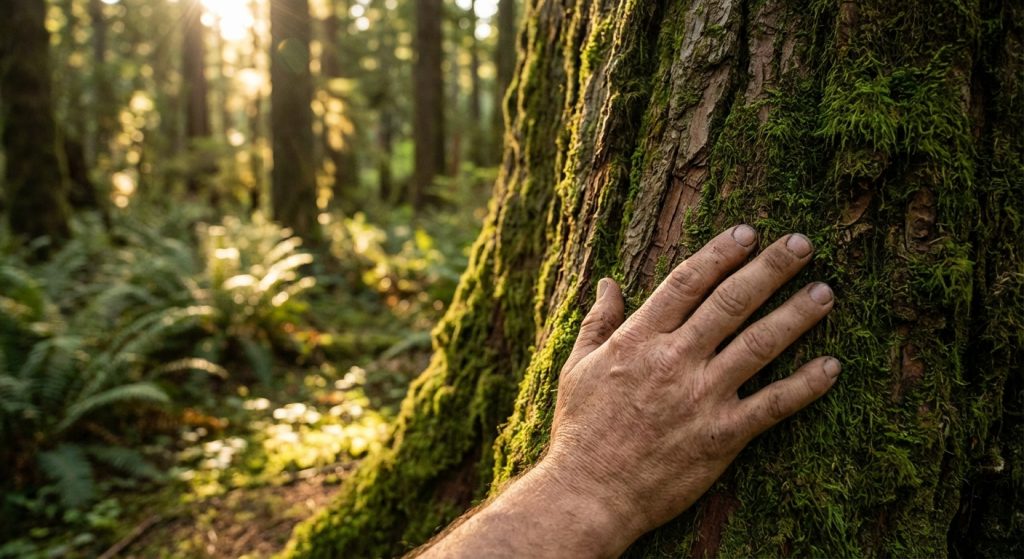
Nature therapy, also known as ecotherapy, is a broad term. It encompasses various practices. These involve spending time in natural environments. The goal is to improve well-being. This can include walking in a park. It might also involve forest bathing (Shinrin-yoku). Even looking at nature scenes can help. The key is engaging with the natural world. This connection helps calm the nervous system. It provides a much-needed respite from urban life. Therefore, it’s a powerful tool for stress reduction.
The Science Behind Nature’s Calm
Research has shown a direct link between nature and reduced stress. Spending time in nature lowers cortisol levels. Studies have measured cortisol in participants. They found significant drops after nature exposure. For example, a study in Japan showed reduced cortisol. This occurred after a walk in a forest. The effect was measurable. It lasted for several days. This suggests a lasting physiological benefit. The sounds of nature, like birdsong, are also beneficial. They can reduce stress hormones. This is in contrast to urban noise. Urban noise often increases stress.
Nature Therapy and Cortisol Reduction
The evidence is clear. Nature therapy actively reduces cortisol. This is a significant benefit for urban dwellers. It provides a natural way to manage stress. It helps reset the body’s stress response. This leads to a cascade of positive effects. Lower cortisol levels can improve sleep. They can also boost mood. Furthermore, they can enhance immune function. It’s a holistic approach to well-being. Thus, incorporating nature into your routine is vital.
Physiological Changes in Nature
When you are in nature, your body changes. Your heart rate slows down. Your blood pressure decreases. Your sympathetic nervous system calms down. This is the system responsible for the stress response. Simultaneously, your parasympathetic nervous system becomes more active. This system promotes rest and relaxation. These physiological shifts directly counteract the effects of chronic stress. They create a state of balance and calm. This is why nature feels so restorative.
Practical Ways to Incorporate Nature Therapy
You don’t need to live in the wilderness. Many simple practices can bring nature to you. Even small doses can make a difference. Here are some effective methods:
- Visit local parks: Regularly schedule visits to nearby green spaces. Even a short walk can be beneficial.
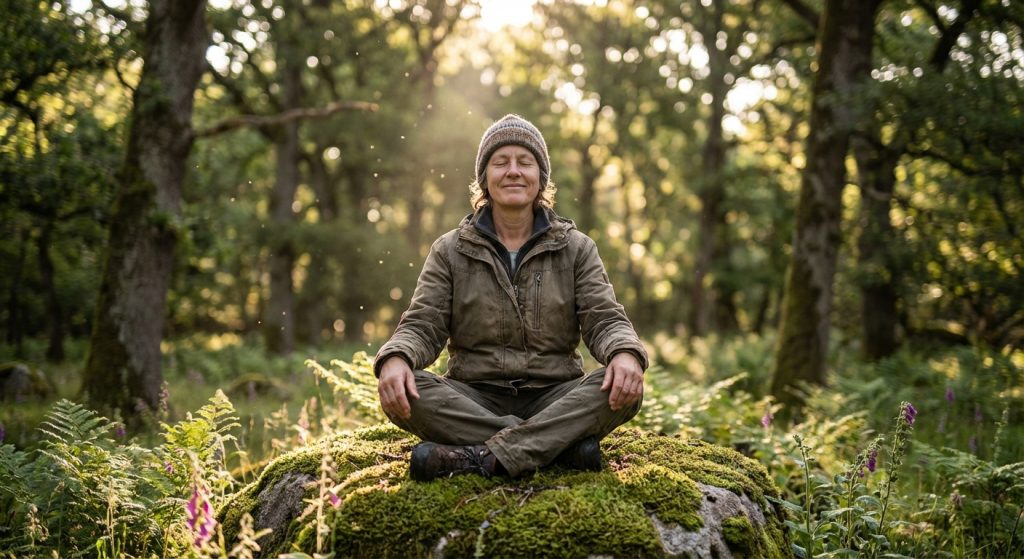
- Forest bathing (Shinrin-yoku): This Japanese practice involves immersing yourself in a forest. It focuses on mindful engagement with nature.
- Bring nature indoors: Houseplants can improve air quality. They also add a calming visual element.
- Nature sounds: Play recordings of nature sounds. Birdsong or ocean waves can create a relaxing atmosphere.
- Gardening: Engaging in gardening is a direct connection with nature. It is also a form of gentle exercise.
- Mindful observation: Take time to simply observe nature. Notice the details of leaves, flowers, or the sky.
- Nature-themed art and imagery: Surround yourself with images of nature. This can be art, photographs, or even screensavers.
These activities help reduce your daily cortisol load. They offer a proactive approach to stress management. You can find more information on stress management in our Holistic Stress Management guide.
The Impact on Mental Well-being
Beyond physical health, nature therapy profoundly impacts mental well-being. It can reduce feelings of anxiety and depression. It also enhances cognitive functions. These include attention and memory. Spending time in nature can boost creativity. It offers a sense of peace and perspective. This is especially valuable in a fast-paced urban life. It helps foster a sense of connection to something larger than oneself. Therefore, it’s a powerful tool for mental resilience.
Nature and Cognitive Function
Studies have shown that nature exposure can improve cognitive function. For instance, it can enhance attention span. This is known as Attention Restoration Theory. It suggests that natural environments allow our directed attention to rest and recover. This is particularly helpful for those experiencing mental fatigue. For urban dwellers, this can translate to better focus at work or school. It can also improve problem-solving abilities. This is why incorporating nature is beneficial for overall brain health. You can learn more about brain health in our article on Cognitive Decline Prevention Methods.
Nature Therapy for Urban Residents
For those living in cities, nature therapy is not a luxury. It’s a necessity for maintaining health. It provides a counterbalance to the constant demands of urban living. Even small, consistent efforts can yield significant results. Therefore, actively seeking out natural experiences is key. It’s an investment in your long-term health and happiness. The benefits extend far beyond simply feeling relaxed. They impact your physical and mental resilience.
Creating Green Havens
Urban planning is increasingly recognizing the importance of green spaces. Cities are incorporating more parks and green initiatives. This includes rooftop gardens and vertical farms. These efforts aim to bring nature closer to residents. Even small pockets of green can make a difference. They serve as vital refuges from the concrete jungle. Therefore, supporting these initiatives is important. They contribute to a healthier urban environment. We can also explore urban rewilding for more ideas.
Frequently Asked Questions
How quickly can nature therapy reduce cortisol levels?
Studies suggest that even short periods of nature exposure, such as a 20-minute walk in a forest, can lead to measurable reductions in cortisol levels. The effects can be felt relatively quickly, and consistent exposure can lead to sustained benefits.
Is it necessary to go to a forest for nature therapy?
No, it is not necessary to go to a forest. Any natural setting, such as a park, a garden, or even looking at nature scenes, can offer benefits. The key is engaging with natural elements and experiencing a break from urban stressors.
Can nature therapy help with other stress-related symptoms?
Yes, absolutely. Nature therapy has been shown to help with a range of stress-related symptoms, including anxiety, depression, sleep disturbances, and improved focus. It promotes overall well-being.
Are there any risks associated with nature therapy?
Generally, nature therapy is very safe. However, it’s always wise to be aware of your surroundings, especially in wilder areas. This includes being mindful of weather conditions, potential allergens, and any local wildlife.
How can I incorporate nature therapy if I have limited mobility?
If mobility is a concern, focus on nature-based activities that are accessible. This could include sitting in a garden, looking out a window at trees, listening to nature sounds, or using virtual reality experiences that simulate natural environments. Even small potted plants indoors can offer benefits.
Conclusion
Nature therapy offers a powerful, accessible solution for managing stress and reducing cortisol levels. For urban residents, it provides a vital connection to the natural world. This connection helps counteract the constant pressures of city life. By integrating simple nature-based practices into your routine, you can significantly improve your physical and mental health. So, step outside, breathe deeply, and let nature work its restorative magic.
