
Telemedicine’s Rise: Transforming Modern Healthcare
Published on January 24, 2026 by Admin
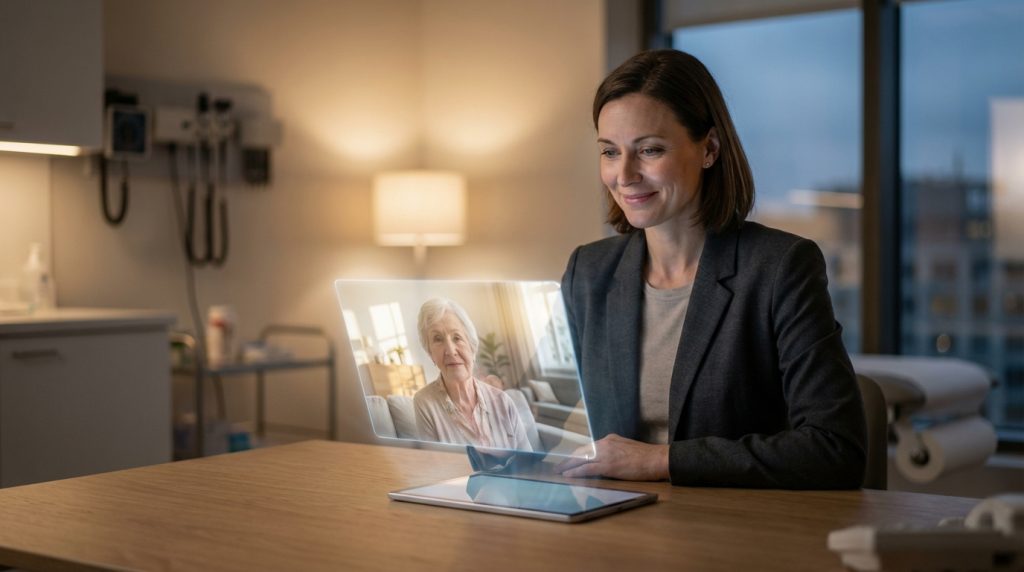
Telemedicine is changing healthcare. It offers new ways to access medical services. This is especially true for startups. They can leverage this technology. It can help them reach more patients. It also lowers operational costs. Therefore, understanding telemedicine’s growth is crucial.
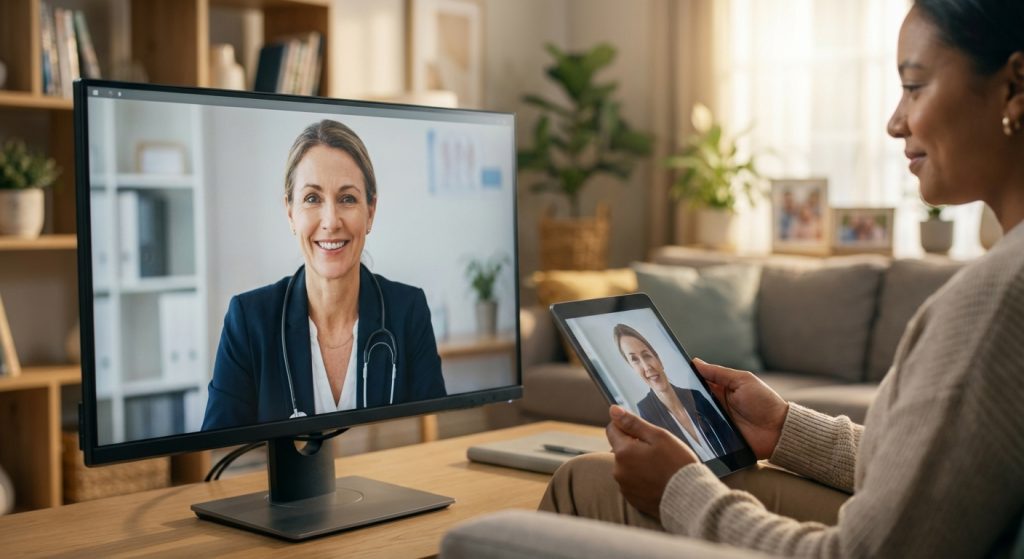
The Digital Shift in Patient Care
The healthcare landscape is evolving rapidly. Digital transformation is at its core. Patients now expect convenience. They want care wherever they are. Telemedicine meets this demand perfectly. It uses technology for remote care. This includes video calls and remote monitoring.
This shift is not new. However, recent events accelerated it. The pandemic made telemedicine essential. Many people experienced it for the first time. Now, they prefer this convenient option. As a result, its adoption has soared. Many healthcare startups are built around this model.
Key Drivers of Telemedicine Growth
Several factors fuel telemedicine’s expansion. Firstly, patient demand is high. People value flexibility and accessibility. Secondly, technological advancements are key. Better internet and devices make it seamless. Thirdly, cost-effectiveness is a major draw. It can reduce overhead for providers.
Moreover, government support is increasing. Policies are adapting to this new model. This encourages more providers to adopt it. Finally, the rise of chronic diseases necessitates continuous care. Telemedicine offers this ongoing support. It helps manage conditions effectively.
Benefits for Healthcare Startups
Healthcare startups can truly thrive with telemedicine. It offers distinct advantages. For instance, it significantly reduces startup costs. There’s no need for large physical clinics initially. This saves on rent and equipment. Thus, capital can be focused elsewhere.
Furthermore, it expands market reach. Startups are not limited by geography. They can serve patients anywhere. This allows for rapid scaling. It also enables niche specialization. A startup can focus on specific conditions. Then, it can serve a national or global audience.
Enhanced Patient Engagement and Access
Telemedicine fosters better patient relationships. It allows for more frequent check-ins. This can improve adherence to treatment plans. Therefore, patient outcomes can improve. Patients feel more connected to their care team.
Accessibility is another huge benefit. It helps those in rural areas. It also aids individuals with mobility issues. People can get care without travel. This breaks down traditional barriers. It promotes health equity. For example, mental health services are more accessible now.
Challenges and Considerations
Despite its advantages, telemedicine has challenges. Firstly, regulatory hurdles exist. Licensing and cross-state practice can be complex. Therefore, startups must navigate these carefully. Secondly, technological disparities matter. Not everyone has reliable internet access. This can create a digital divide.
Security and privacy are also concerns. Patient data must be protected. Robust cybersecurity measures are essential. Furthermore, building trust can be difficult. Some patients prefer in-person interaction. Demonstrating effectiveness is key. For instance, ensuring accurate diagnoses remotely is paramount.
Navigating the Regulatory Landscape
The regulatory environment for telemedicine is evolving. It can be confusing for new ventures. Different states have different rules. These rules cover licensing, prescribing, and reimbursement. Therefore, startups need legal counsel. They must understand compliance requirements.
Reimbursement policies are also critical. Insurers are increasingly covering telemedicine. However, this varies by plan and service. Startups need to verify coverage. They must ensure their services are reimbursable. This is vital for financial sustainability.
Technology Stack for Telemedicine Startups
Building a successful telemedicine platform requires the right tech. A robust video conferencing solution is essential. It should be secure and reliable. Additionally, a secure patient portal is needed. This portal handles appointments, records, and communication.
Electronic Health Records (EHR) integration is also important. This ensures seamless data flow. Remote patient monitoring tools are increasingly popular. They allow for real-time data collection. Think about devices that track vital signs. This data can inform treatment decisions. For example, managing chronic conditions like diabetes often uses such tools. This is akin to how wearable data insights can empower proactive health management.
Choosing the Right Platform Features
When selecting a platform, consider key features. Secure messaging is non-negotiable. It allows for asynchronous communication. Appointment scheduling must be intuitive. It should be easy for both patients and providers. Prescription management is also vital. It needs to be compliant and efficient.
Integration capabilities are important. The platform should connect with EHRs. It might also need to connect with lab systems. Analytics and reporting features are beneficial. They help track performance and identify trends. Ultimately, the platform should be user-friendly. It should enhance, not hinder, the care experience.
The Future of Telemedicine
Telemedicine’s future looks bright. It will likely become more integrated. It will be a standard part of care delivery. We can expect more personalized services. AI will play a bigger role. AI can assist with diagnosis. It can also help manage patient flow. This will further enhance efficiency.
Virtual reality (VR) might also see use. VR could be used for therapy. It could also aid in surgical training. Furthermore, remote monitoring will become more sophisticated. This will enable proactive interventions. The goal is to shift from reactive to predictive care. This aligns with broader trends in AI in personalized healthcare.
Telemedicine’s Impact on Specialization
Telemedicine is a boon for medical specialists. It allows them to reach a wider patient base. For instance, dermatologists can diagnose skin conditions remotely. Psychiatrists can offer therapy sessions online. This broadens their impact significantly. It also allows for sub-specialization within fields.
Moreover, it facilitates collaboration among specialists. Doctors can consult remotely. This can lead to better treatment plans. It also enables continuous learning. For example, specialists can share expertise across borders. This democratizes access to specialized knowledge.
Conclusion: Embracing the Telemedicine Revolution
Telemedicine is no longer a niche service. It is a fundamental shift in healthcare. For healthcare startups, it presents immense opportunity. By understanding its benefits and challenges, founders can build successful ventures. They can leverage technology to improve access. They can also enhance patient care. Therefore, embracing telemedicine is key to innovation.
It is essential to stay informed. Regulations change. Technology evolves. Startups must adapt. They must prioritize patient experience. They must also ensure data security. Ultimately, telemedicine empowers a more accessible and efficient healthcare system. This revolution is here to stay.
Frequently Asked Questions
What are the main advantages of telemedicine for a startup?
Telemedicine significantly reduces startup costs by minimizing the need for physical infrastructure. It also allows for a broader market reach, enabling startups to serve patients beyond their immediate geographic location and scale more rapidly.
What are the biggest challenges healthcare startups face with telemedicine?
Key challenges include navigating complex and varying state-specific regulations for licensing and practice, ensuring equitable access for all patients despite technological disparities, and maintaining robust data security and patient privacy.
How does telemedicine improve patient access to care?
Telemedicine breaks down geographical barriers, making healthcare accessible to individuals in rural areas or those with mobility issues. It also offers convenience, allowing patients to receive care from the comfort of their homes, thereby improving overall access.
What technologies are essential for a telemedicine startup?
Essential technologies include a secure and reliable video conferencing platform, a user-friendly patient portal for appointments and records, EHR integration, and potentially remote patient monitoring tools for chronic condition management.
Will telemedicine replace in-person doctor visits entirely?
It is unlikely that telemedicine will entirely replace in-person visits. Certain conditions and examinations still require physical presence. However, telemedicine will likely become a primary or supplementary care option for many routine visits, follow-ups, and consultations.
