

Performance athletes push their bodies to the limit. They train hard. They strive for peak condition. However, understanding how your body truly recovers is key. Heart Rate Variability (HRV) coaching offers a unique insight. It goes beyond simple heart rate monitoring. This approach helps athletes optimize training. It also boosts overall well-being. Let’s explore what HRV coaching entails. We will also see how it benefits athletes.
What is Heart Rate Variability?
Heart Rate Variability, or HRV, measures the time between heartbeats. It is not about how fast your heart beats. Instead, it looks at the subtle variations. These variations are controlled by your autonomic nervous system (ANS). The ANS has two branches. These are the sympathetic and parasympathetic systems. The sympathetic system is your “fight or flight” response. It speeds things up. The parasympathetic system is your “rest and digest” response. It calms you down.
A higher HRV generally indicates good health. It suggests your body is balanced. It can adapt well to stress. Conversely, a lower HRV might signal stress or fatigue. It could mean your body is not recovering well. For athletes, this is crucial information. It helps them understand their readiness to train.
How HRV Coaching Works
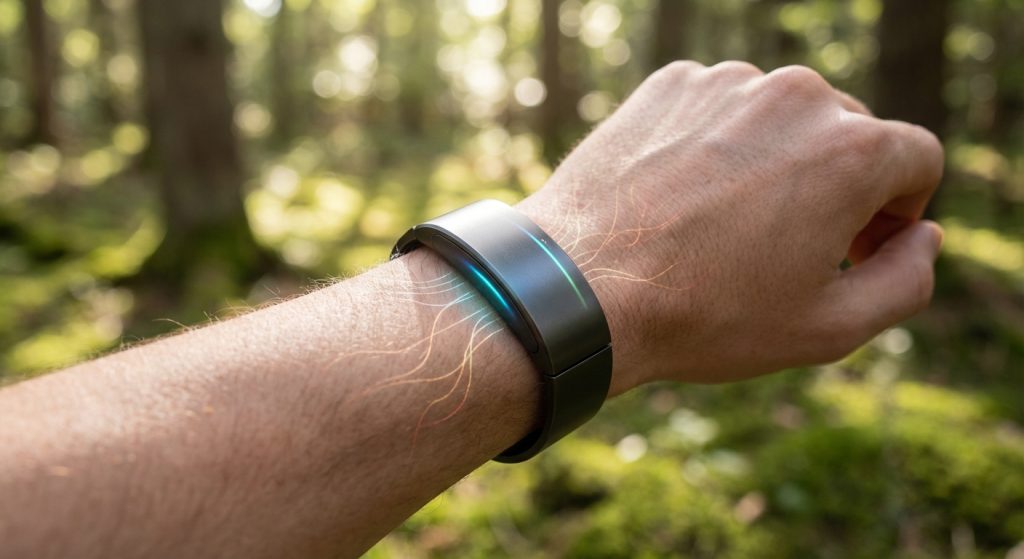
HRV coaching uses data to guide athletes. They typically wear a device. This device tracks their heart rate. It does this throughout the day and night. The data is then analyzed. This analysis reveals patterns. These patterns show how the athlete’s body is responding. Factors like training load, sleep, nutrition, and stress all impact HRV.
A coach interprets this data. They look for trends. For example, a consistent drop in HRV after hard training. This might mean more recovery is needed. Alternatively, a high HRV might indicate readiness for intense effort. The coach then makes recommendations. These are personalized to the athlete’s needs. This might involve adjusting training intensity. It could also mean focusing on sleep hygiene. Sometimes, it involves stress management techniques.
The Role of the Autonomic Nervous System
Your ANS is the control center. It manages involuntary bodily functions. This includes breathing, digestion, and heart rate. It operates without conscious thought. The ANS is divided into two main parts. The sympathetic nervous system (SNS) prepares you for action. It increases heart rate and blood pressure. The parasympathetic nervous system (PNS) conserves energy. It slows heart rate and aids digestion.
A healthy balance between these systems is vital. HRV is a direct measure of this balance. When you are stressed, your SNS dominates. Your HRV tends to decrease. When you are relaxed, your PNS is more active. Your HRV usually increases. Therefore, tracking HRV helps gauge your body’s stress response. It also shows your capacity for recovery.
Benefits of HRV Coaching for Performance Athletes
HRV coaching offers numerous advantages for athletes. It provides objective data. This data removes guesswork. It allows for highly tailored training plans.
Optimized Training Load
One of the biggest benefits is optimizing training load. Athletes can avoid overtraining. Overtraining leads to injury and burnout. By monitoring HRV, athletes know when to push harder. They also know when to prioritize rest. This ensures they train effectively. They maximize gains without risking harm. This data-driven approach is superior to generic plans.
Enhanced Recovery Strategies
Recovery is as important as training. HRV coaching highlights recovery needs. If HRV is low, it suggests the body needs more rest. Athletes can then focus on sleep. They can also incorporate active recovery. This might include stretching or foam rolling. Learning to listen to your body is key. HRV provides a quantifiable way to do this.
Injury Prevention
Constant overexertion can lead to injuries. By preventing overtraining, HRV coaching helps prevent injuries. Athletes are less likely to push through fatigue. They are more attuned to their body’s signals. This proactive approach saves them from costly setbacks. A healthy body is a resilient body.
Improved Sleep Quality
Sleep is critical for recovery. HRV naturally tends to be higher during deep sleep. Tracking HRV can reveal sleep disturbances. It can show how certain lifestyle factors affect sleep. Athletes can then make changes. They might adjust their bedtime routine. They could also optimize their sleep environment. Better sleep leads to better performance.
Stress Management
Life outside of training also impacts performance. External stressors affect the ANS. They can lower HRV. HRV coaching helps athletes recognize their stress triggers. It encourages them to develop coping mechanisms. This might include mindfulness or meditation. Effectively managing stress improves resilience. It also enhances focus.
Personalized Nutrition and Hydration
What you eat and drink matters. Nutrition and hydration significantly impact HRV. For instance, dehydration can lower HRV. Poor food choices can increase inflammation. An HRV coach can help athletes fine-tune their diet. They can ensure they are properly fueled. They can also ensure adequate hydration. This supports optimal physiological function. A balanced diet is crucial for overall health. You can explore magnesium-rich diet plans for better recovery.
Getting Started with HRV Coaching
Starting with HRV coaching is straightforward. It requires commitment and consistency. First, you need a reliable tracking device. Many wearables offer HRV tracking. Look for devices that measure it overnight. This provides the most comprehensive data. Ensure the device syncs with an app. This app will store and analyze your data.
Next, find a qualified HRV coach. Look for someone with experience in sports science. They should understand athletic physiology. They should also be skilled in interpreting HRV data. A good coach will explain the metrics. They will help you set realistic goals. They will also adapt your plan as you progress.
Choosing the Right HRV Tracker
Several devices are available. Some popular options include Oura Ring, WHOOP strap, and Garmin watches. Each has its strengths. Consider accuracy, comfort, and battery life. Also, think about the accompanying app. Does it provide clear insights? Is it easy to use? The goal is to collect reliable data. This data fuels the coaching process. Ultimately, wearable data can offer profound health insights.
Understanding Your HRV Data
Your HRV data will fluctuate. It is normal. Do not panic over daily dips. Focus on the long-term trend. Your coach will help you understand your baseline. They will identify what constitutes a “good” or “bad” day for you. Key metrics include:
- Resting Heart Rate (RHR): Lower RHR often correlates with better fitness.
- Heart Rate Variability (HRV): The overall measure of ANS balance.
- Respiratory Rate: Your breathing pattern.
- Heart Rate Recovery (HRR): How quickly your heart rate returns to normal after exercise.
These metrics combined provide a holistic view. They offer a deeper understanding of your physiological state. This allows for more informed decisions about training and recovery.
Common Misconceptions About HRV
There are some common misunderstandings about HRV. Let’s clarify them.
- HRV is not a performance metric itself: It is an indicator of your body’s readiness and recovery. High HRV doesn’t automatically mean peak performance, but it suggests optimal conditions.
- Daily HRV is not always indicative of major issues: Short-term fluctuations are normal. Focus on trends over weeks and months.
- There is no universal “ideal” HRV number: HRV is highly individual. What is optimal for one athlete may not be for another.
- HRV is not a substitute for listening to your body: It is a powerful tool that complements your own intuition and experience.
It is important to approach HRV data with nuance. A coach is invaluable for this interpretation. They help you avoid common pitfalls.
HRV and Different Types of Athletes
HRV coaching is beneficial for all types of athletes. Whether you are a runner, cyclist, swimmer, or strength athlete, your body responds to stress and recovery. The principles remain the same.
Endurance Athletes
Endurance athletes often have very high aerobic capacity. This usually translates to higher HRV. However, their training is demanding. HRV coaching helps them manage cumulative fatigue. It ensures they are ready for long races. It also helps prevent overtraining injuries common in this discipline.
Strength and Power Athletes
For strength athletes, recovery is paramount. Muscle repair and growth happen during rest. HRV can indicate when the nervous system is ready for another heavy lifting session. It helps balance intense training with adequate recovery. This is vital for building strength safely.
Team Sport Athletes
Team sports involve varied demands. They include bursts of high intensity, skill execution, and strategic thinking. HRV coaching can help manage the physical and mental load. It can guide players on when to push during practice or games. It also emphasizes the importance of off-field recovery.
The Future of HRV Coaching
HRV coaching is evolving rapidly. Technology is improving. Data analysis is becoming more sophisticated. We are seeing more integration with other wellness data. This includes sleep tracking, nutrition logs, and even genetic information. The goal is a truly holistic view of athlete health. This will lead to even more personalized and effective coaching. As technology advances, understanding your body’s signals becomes easier. This allows for better overall health and performance. You can explore the benefits of holistic stress management which often complements HRV insights.
Frequently Asked Questions (FAQ)
How quickly can I see changes in my HRV?
Changes can be seen relatively quickly, often within a few days to a couple of weeks of consistent tracking and applying coaching advice. However, significant and stable improvements usually take longer, reflecting adaptations in your autonomic nervous system.
Can HRV coaching help with mental performance?
Yes, absolutely. Mental fatigue and stress significantly impact HRV. By improving physical recovery and stress management through HRV coaching, athletes often experience enhanced focus, better decision-making, and improved mental resilience.
Is HRV coaching expensive?
The cost varies. It depends on the coach’s expertise and the technology used. Many athletes find the investment worthwhile due to the performance gains and injury prevention benefits. Some wearables offer subscription models that include coaching features.
What if my HRV is consistently low?
Consistently low HRV warrants attention. It could indicate chronic stress, insufficient recovery, illness, or underlying health issues. A qualified coach can help you investigate the causes and develop strategies to improve it. Sometimes, it’s a sign to significantly scale back training and focus on lifestyle factors.
Can I track HRV with just my phone?
Some apps claim to measure HRV using your phone’s camera. However, dedicated wearables generally provide more accurate and consistent data, especially for overnight readings, which are crucial for understanding baseline HRV.
Conclusion
Heart Rate Variability coaching is a powerful tool for performance athletes. It offers a data-driven approach. This approach optimizes training. It enhances recovery. It also aids in injury prevention. By understanding your body’s internal signals, you can train smarter. You can perform better. You can also achieve greater longevity in your athletic career. Embrace the insights HRV provides. Work with a coach. Unlock your true potential.
