
Circular Supply Chain Tech: A Logistics Manager’s Guide
Published on January 26, 2026 by Admin
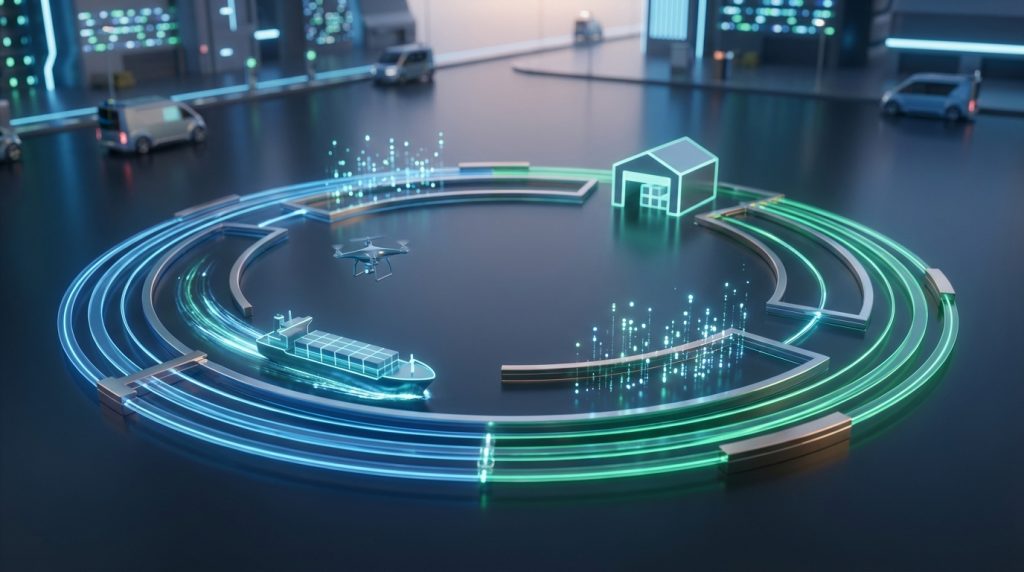
The logistics industry is at a critical juncture. Traditional linear models are straining under environmental pressures and increasing consumer demand for sustainability. Therefore, logistics managers must embrace innovative solutions. Circular supply chain technology offers a path forward. It focuses on reducing waste and maximizing resource use. This approach is not just good for the planet; it’s also good for business. It can lead to cost savings and enhanced brand reputation.
Adopting these technologies requires a strategic shift. It involves rethinking how goods are sourced, transported, used, and disposed of. This article will explore the key technologies driving the circular supply chain. We will also discuss their benefits and challenges for logistics professionals.
Understanding the Circular Supply Chain
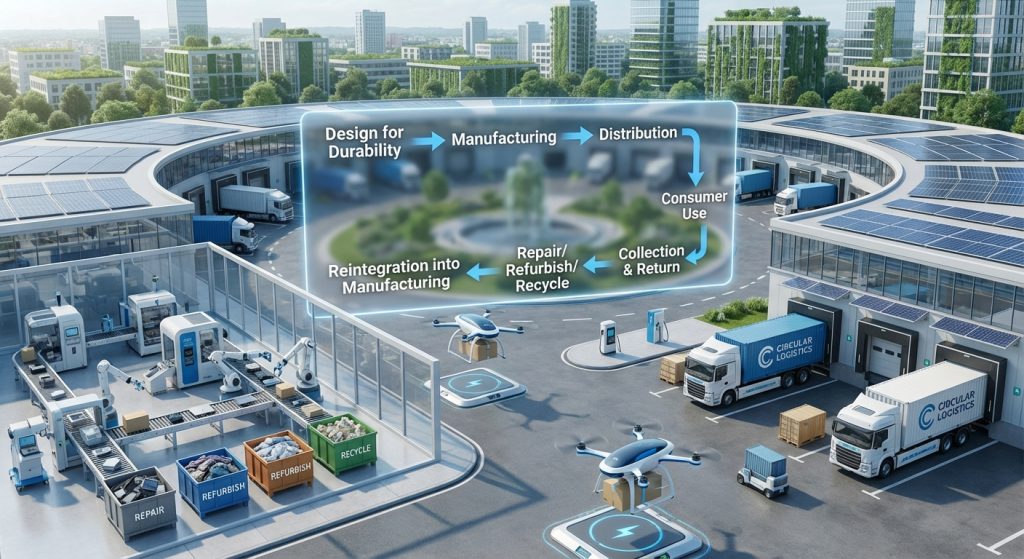
Firstly, let’s define what a circular supply chain means. It’s a system designed to eliminate waste. It aims to keep products and materials in use for as long as possible. This contrasts with the traditional linear model of “take-make-dispose.” The circular economy emphasizes four Rs: reduce, reuse, repair, and recycle. It also includes remanufacturing and refurbishment.
For logistics managers, this means a more complex, yet rewarding, operational landscape. Instead of just moving goods from point A to point B, they are now involved in reverse logistics. This includes collecting used products for repair or recycling. It also means optimizing routes for product returns. Therefore, efficiency and sustainability must go hand-in-hand.
Key Technologies Enabling Circular Supply Chains
Several technological advancements are making circular supply chains a reality. These tools provide the visibility and control needed for complex, multi-directional flows.
1. Blockchain for Transparency and Traceability
Blockchain technology offers unparalleled transparency. It creates an immutable record of every transaction and movement within the supply chain. This is crucial for tracking products from raw material to end-of-life. For circularity, it helps verify the origin of materials. It also tracks repair histories and end-of-life processing.
As a result, logistics managers can ensure materials are genuinely recycled or reused. They can also identify counterfeit or unethically sourced components. This builds trust among partners and consumers. Furthermore, it supports compliance with environmental regulations.
2. Internet of Things (IoT) for Real-Time Monitoring
IoT devices are sensors that collect and transmit data. They can be attached to products, vehicles, or infrastructure. In a circular supply chain, IoT sensors provide real-time information on product condition. For example, they can monitor temperature, humidity, or usage patterns.
This data helps predict maintenance needs. It also informs decisions about when a product is best repaired, refurbished, or recycled. IoT also enables smart waste management. It can track fill levels in collection bins. This optimizes collection routes and reduces fuel consumption. So, operational efficiency is significantly improved.
3. Artificial Intelligence (AI) and Machine Learning (ML)
AI and ML are powerful tools for optimizing complex systems. In circular supply chains, they can analyze vast amounts of data from IoT devices and other sources. AI algorithms can predict demand for refurbished products. They can also forecast the best time for product collection. Moreover, AI can optimize reverse logistics routes.
Machine learning models can identify patterns in product failures. This helps in designing more durable products. It also guides repair processes. Furthermore, AI can automate sorting and identification of recyclable materials. This speeds up the recycling process. Thus, it enhances overall system efficiency.
4. Advanced Analytics and Big Data
Big data analytics allow logistics managers to gain deep insights. They can understand material flows, waste streams, and product lifecycles. This data is essential for identifying areas for improvement. For instance, analytics can reveal which product components are most frequently returned or discarded.
Moreover, data analytics can help measure the environmental impact of different supply chain strategies. This supports reporting and sustainability goals. It also informs strategic decision-making. Therefore, data-driven insights are key to successful circularity.
5. Digital Twins
A digital twin is a virtual replica of a physical asset or system. In logistics, a digital twin of the supply chain can simulate different scenarios. This allows managers to test new circular strategies without real-world disruption. They can model the impact of new collection points or refurbishment centers.
Furthermore, digital twins can monitor the performance of assets in real-time. They can predict maintenance needs. This proactive approach is vital for extending product life. It also supports efficient resource allocation.
Benefits for Logistics Managers
Implementing circular supply chain technologies offers numerous advantages. These go beyond environmental compliance.
Cost Reduction
Firstly, reducing waste directly cuts disposal costs. Reusing materials and components also lowers procurement expenses. For example, remanufactured parts are often cheaper than new ones. Optimized logistics, driven by AI and IoT, reduce fuel and labor costs. Therefore, direct financial savings are achievable.
Enhanced Efficiency
Secondly, technologies like IoT and AI streamline operations. Real-time tracking and predictive maintenance minimize downtime. Smart route optimization for both forward and reverse logistics saves time and resources. As a result, overall operational efficiency improves. This also leads to faster delivery times.
New Revenue Streams
Moreover, circular models can create new business opportunities. Selling refurbished products or offering repair services can generate additional revenue. Companies can also monetize waste streams through advanced recycling processes. This diversifies income sources.
Improved Brand Reputation and Customer Loyalty
Consumers are increasingly prioritizing sustainability. Companies with strong circular practices attract and retain customers. Transparency, enabled by blockchain, builds trust. A commitment to reducing environmental impact resonates with eco-conscious buyers. Therefore, it strengthens brand image and loyalty.
Risk Mitigation and Resilience
Finally, diversifying material sources and reducing reliance on virgin resources enhances resilience. Circular supply chains are less vulnerable to supply chain disruptions and price volatility. Furthermore, proactive maintenance and product lifecycle management reduce the risk of product recalls. This contributes to a more robust and adaptable operation. You can learn more about building resilience in your logistics strategy from our article on crafting your Net Zero strategy roadmap.
Challenges and Considerations
Despite the benefits, adopting circular supply chain technologies presents challenges.
Initial Investment Costs
Implementing new technologies like blockchain or advanced IoT systems requires significant upfront investment. Logistics managers must justify these costs to stakeholders. Therefore, a clear ROI analysis is essential. Careful planning is needed to ensure successful adoption.
Data Management and Integration
Collecting and managing data from various sources can be complex. Integrating data from different systems and partners is crucial. This requires robust IT infrastructure and skilled personnel. Ensuring data security and privacy is also paramount. Thus, data governance is a key concern.
Reverse Logistics Complexity
Managing the return of products for repair, refurbishment, or recycling is inherently complex. It requires specialized processes, infrastructure, and trained staff. Optimizing these reverse flows often proves more challenging than forward logistics. Therefore, careful planning and execution are vital.
Cultural and Organizational Change
Adopting a circular model requires a shift in mindset. It involves collaboration across departments and with external partners. Employees need training and support to adapt to new processes. Resistance to change can hinder adoption. Hence, strong leadership and change management are necessary.
Regulatory Landscape
While regulations are evolving to support circularity, they can also present challenges. Navigating different regional regulations for waste management, product lifecycles, and material sourcing requires expertise. Staying informed about policy changes is crucial. This ensures compliance and avoids penalties.
Implementing Circular Tech: A Phased Approach
Logistics managers can adopt a phased approach to implementing circular supply chain technologies.
1. Assessment and Strategy Development
Begin by assessing your current supply chain. Identify areas with the most potential for circularity. Develop a clear strategy. Define your goals for waste reduction, resource efficiency, and revenue generation. This initial step is critical.
2. Pilot Projects
Start with pilot projects for specific technologies or product lines. For instance, implement an IoT tracking system for a key product category. Or, pilot a blockchain solution for material traceability. This allows you to test feasibility and gather data. It also minimizes risk.
3. Scalability and Integration
Once pilot projects prove successful, scale up the implementation. Integrate new technologies with existing systems. Ensure seamless data flow and operational coordination. This phase requires careful project management. You might find insights in our guide on navigating the evolving carbon credit market, as it relates to sustainability initiatives.
4. Continuous Improvement
Circular supply chains are dynamic. Continuously monitor performance using analytics. Identify new opportunities for optimization. Stay abreast of emerging technologies and best practices. This iterative process ensures long-term success.
Frequently Asked Questions (FAQ)
What is the primary goal of a circular supply chain?
The primary goal is to eliminate waste and keep products and materials in use for as long as possible. This promotes sustainability and resource efficiency.
How does blockchain benefit circular supply chains?
Blockchain provides transparency and traceability. It creates an immutable record of product journeys, verifying material origins and end-of-life processing.
Can AI help reduce logistics costs in a circular model?
Yes, AI can optimize routes for both forward and reverse logistics. It also helps predict maintenance needs and identify opportunities for reuse, leading to cost savings.
What is the biggest challenge in adopting circular supply chain tech?
While initial investment and data management are challenging, often the most significant hurdle is the need for cultural and organizational change to embrace new, collaborative models.
Is reverse logistics essential for a circular supply chain?
Absolutely. Reverse logistics is fundamental. It encompasses the processes for collecting, sorting, and processing returned products for reuse, repair, or recycling.
Conclusion
The transition to circular supply chains is no longer optional; it’s a strategic imperative for logistics managers. By embracing technologies like blockchain, IoT, and AI, companies can build more sustainable, efficient, and resilient operations. While challenges exist, the long-term benefits—cost savings, enhanced reputation, and new revenue streams—are substantial. Therefore, logistics managers who proactively adopt these innovations will lead the industry into a more responsible and profitable future.
