Ethical Mining: Balancing Resources and Responsibility
Published on January 26, 2026 by Admin

The extraction of natural resources is fundamental to modern society. However, the environmental and social impacts of mining can be significant. Therefore, embracing ethical mining practices is no longer optional. It is a necessity for sustainable development and responsible resource management. This article explores the core principles of ethical mining. We will also discuss its importance and practical implementation.
Ethical mining ensures that resource extraction benefits local communities. It also minimizes harm to the environment. Consequently, this approach fosters trust and long-term sustainability. It is crucial for the future of the mining industry.
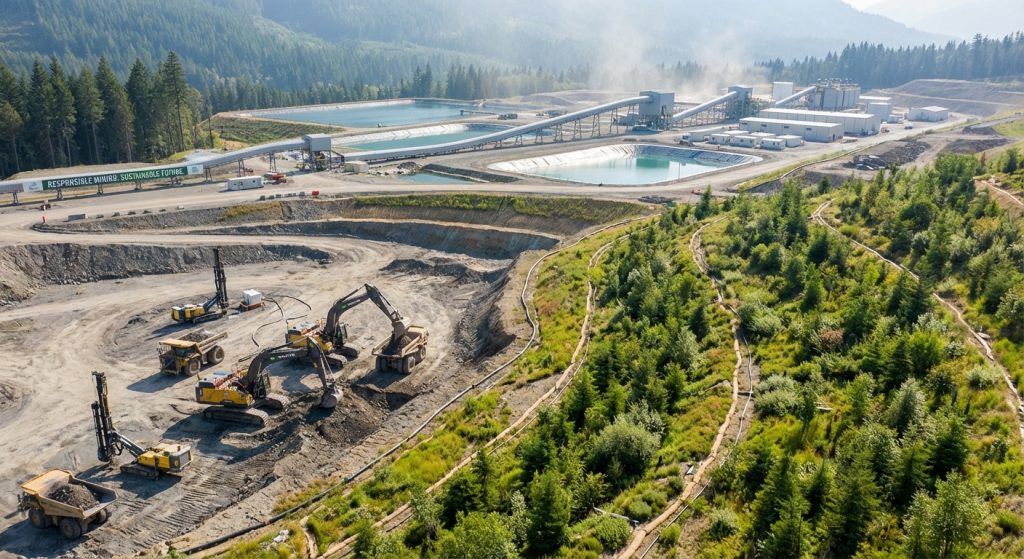
What is Ethical Mining?
Ethical mining is a broad concept. It encompasses a commitment to responsible practices throughout the mining lifecycle. This includes exploration, extraction, processing, and closure. It goes beyond mere legal compliance. It involves a proactive approach to social and environmental stewardship. For instance, it prioritizes the well-being of people and the planet.
Furthermore, ethical mining seeks to create shared value. This means ensuring that mining operations contribute positively to local economies and societies. It also aims to mitigate negative impacts. Therefore, transparency and accountability are key components.
Key Principles of Ethical Mining
Several core principles guide ethical mining practices. These principles are interconnected. Together, they form a framework for responsible operations.
- Environmental Protection: This involves minimizing pollution, conserving biodiversity, and managing water resources responsibly. It also includes land rehabilitation after mining activities cease.
- Social Responsibility: Ethical mining prioritizes the rights and well-being of local communities. This includes fair compensation, safe working conditions, and meaningful engagement. It also means respecting indigenous rights.
- Economic Viability and Transparency: Operations must be economically sustainable. However, this should not come at the expense of ethical considerations. Transparency in financial dealings and revenue sharing is vital.
- Good Governance: This implies adherence to strong ethical standards, anti-corruption measures, and robust regulatory frameworks. It also includes effective stakeholder engagement.
These principles are not static. They evolve with new technologies and societal expectations. Thus, continuous improvement is essential.
Why Ethical Mining Matters
The importance of ethical mining cannot be overstated. It addresses critical global challenges. It also builds a more sustainable future.
Environmental Stewardship
Mining can have profound environmental consequences. These include habitat destruction, water contamination, and air pollution. Ethical practices aim to mitigate these risks. For example, companies might invest in advanced waste management systems. They also focus on restoring ecosystems after operations conclude. This commitment to environmental protection is crucial for preserving natural resources for future generations. Moreover, it helps maintain ecological balance. Understanding how to manage environmental impacts is vital. This is why topics like phytoremediation are becoming increasingly important.
Social License to Operate
A company’s “social license to operate” is its ongoing acceptance by the local community and stakeholders. Without this license, mining projects can face significant delays or outright opposition. Ethical mining builds trust. It fosters positive relationships with communities. This, in turn, ensures smoother operations and long-term viability. Therefore, engaging with communities early and often is paramount. Respecting local customs and providing tangible benefits are key. Furthermore, robust ESG reporting helps demonstrate this commitment.
Economic Development and Equity
Ethical mining can be a powerful engine for economic development. It provides jobs and stimulates local economies. However, it is essential that the benefits are shared equitably. This means ensuring fair wages, supporting local businesses, and investing in community infrastructure. For example, revenue generated from mining can fund schools and healthcare facilities. This creates a lasting positive impact. On the other hand, unethical practices can lead to resource curse scenarios, where wealth is concentrated and local populations remain impoverished.
Reputation and Investor Confidence
In today’s world, consumers and investors are increasingly aware of corporate responsibility. Companies with strong ethical mining practices often enjoy a better reputation. This attracts investors who are looking for sustainable and responsible investments. Consequently, ethical operations can lead to lower capital costs and greater market access. The rise of green finance further underscores this trend. Investors are actively seeking opportunities aligned with green finance principles.
Implementing Ethical Mining Practices
Putting ethical mining into practice requires a multi-faceted approach. It involves strategic planning, robust management systems, and continuous monitoring.
Stakeholder Engagement and Consultation
Meaningful engagement with all stakeholders is the cornerstone of ethical mining. This includes local communities, indigenous groups, government agencies, and NGOs. Early and ongoing consultation ensures that concerns are heard and addressed. For instance, open dialogues can help identify potential social and environmental risks. This proactive approach prevents conflicts and builds collaborative solutions. Therefore, companies must establish clear communication channels. They should also be prepared to adapt their plans based on feedback.
Environmental Management Systems
Implementing comprehensive environmental management systems is crucial. These systems should cover:
- Impact Assessments: Thoroughly evaluating potential environmental impacts before operations begin.
- Pollution Control: Employing best available technologies to minimize air, water, and soil pollution.
- Water Management: Efficiently using water and treating wastewater before discharge. This is particularly important in regions facing water scarcity solutions.
- Biodiversity Conservation: Protecting and, where possible, enhancing local biodiversity.
- Rehabilitation and Closure: Planning for and executing the restoration of mined land to a safe and productive state.
These systems require dedicated resources and skilled personnel. Furthermore, regular audits ensure their effectiveness.
Social Impact Management
Managing social impacts involves several key areas:
- Community Development: Investing in local infrastructure, education, and healthcare.
- Employment and Training: Prioritizing local hiring and providing skills development opportunities.
- Health and Safety: Ensuring the highest standards of occupational health and safety for all workers.
- Cultural Heritage: Respecting and protecting cultural sites and traditions.
- Grievance Mechanisms: Establishing clear and accessible processes for addressing community complaints.
These initiatives must be tailored to the specific needs and context of each community. They should also be integrated into the overall business strategy.
Supply Chain Responsibility
Ethical considerations extend beyond a company’s direct operations. It is also vital to ensure ethical practices throughout the supply chain. This includes sourcing materials responsibly and ensuring fair labor practices among suppliers. For example, a company might conduct due diligence on its suppliers. It also verifies that they adhere to similar ethical standards. This creates a ripple effect of responsibility. Mastering circular supply chain tech can also contribute to sustainability.
Challenges and Opportunities
Despite the growing recognition of ethical mining’s importance, several challenges remain. These include the high upfront costs of implementing best practices. There can also be resistance to change from established industry norms. Furthermore, ensuring consistent enforcement of regulations across different jurisdictions is difficult.
However, these challenges also present opportunities. The development of new technologies offers innovative solutions. For instance, advancements in AI and data analytics can improve environmental monitoring. Similarly, blockchain technology can enhance supply chain transparency. The growing demand for ethically sourced minerals also creates market advantages for responsible companies. As the world moves towards a greener economy, the demand for responsibly mined materials will only increase. This is especially true for minerals critical to renewable energy technologies.
Conclusion
Ethical mining is not just a trend; it is the future of responsible resource extraction. By prioritizing environmental stewardship, social responsibility, and good governance, mining companies can build a more sustainable and equitable world. This approach benefits not only the planet and its people but also ensures the long-term viability and success of the industry itself. Embracing ethical practices is an investment in a better future for all.
Frequently Asked Questions
What are the biggest environmental risks associated with mining?
The biggest environmental risks include habitat destruction, water contamination from mine tailings and runoff, air pollution from dust and emissions, soil degradation, and potential impacts on biodiversity. Ethical mining practices aim to mitigate these risks through careful planning, advanced technologies, and robust rehabilitation efforts.
How can mining companies ensure they have a social license to operate?
Companies can secure a social license to operate by engaging transparently and respectfully with local communities and stakeholders. This involves addressing concerns, providing tangible benefits like jobs and infrastructure development, respecting cultural heritage, and establishing effective grievance mechanisms. Building trust through consistent, responsible actions is key.
What is the role of technology in ethical mining?
Technology plays a crucial role. For example, advanced monitoring systems can track environmental impacts in real-time. Drones and AI can be used for site surveying and safety inspections. Blockchain can enhance supply chain transparency, ensuring minerals are sourced ethically. Furthermore, new processing technologies can reduce waste and energy consumption.
Are ethical mining practices more expensive?
Initially, implementing robust ethical mining practices can involve higher upfront costs. However, in the long run, they often prove more cost-effective. This is due to reduced risks of fines, lawsuits, and project delays. Moreover, strong ethical practices can enhance reputation, attract investors, and improve operational efficiency, leading to greater profitability and sustainability.