Build Greener: A Developer’s Guide to Green Building Standards
Published on January 26, 2026 by Admin
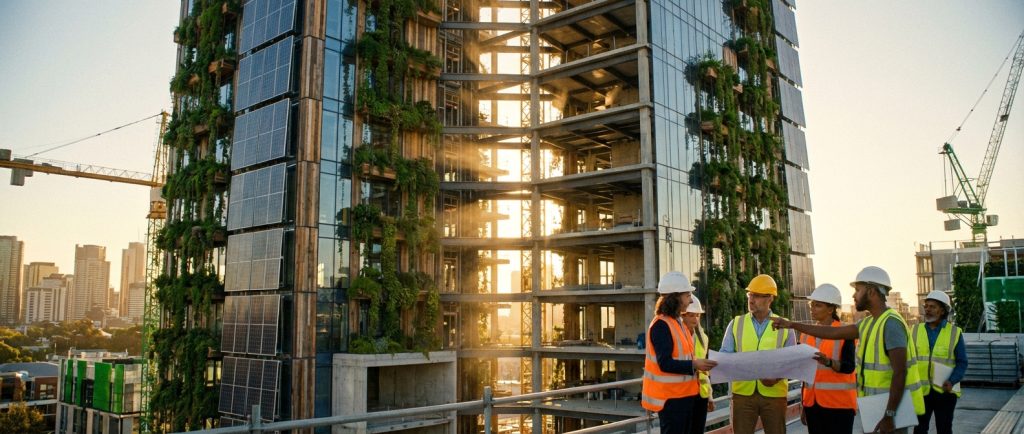
Real estate developers are increasingly adopting green building standards. This trend is driven by many factors. It benefits the environment. It also appeals to a growing market of eco-conscious buyers and tenants. Understanding these standards is crucial for success. It ensures projects are sustainable and desirable.
What Are Green Building Standards?
Green building standards are frameworks. They guide the design and construction of buildings. These buildings aim to be environmentally responsible. They also aim to be resource-efficient. This covers the entire building lifecycle. It includes design, construction, operation, maintenance, and demolition.
These standards promote practices that reduce negative impacts. They focus on minimizing waste and pollution. They also aim to conserve energy and water. Furthermore, they enhance occupant health and well-being. Many organizations develop these standards. Some are global. Others are regional or country-specific.
The goal is to create healthier, more efficient buildings. These buildings also use fewer resources. Therefore, they have a lower environmental footprint. This is a significant shift in construction. It moves beyond basic building codes.
Why Are Green Building Standards Important for Developers?
For developers, adopting green building standards offers many advantages. Firstly, it can lead to significant cost savings over time. Buildings that use less energy and water have lower utility bills. This is attractive for both owners and tenants. Reduced waste during construction also cuts material costs.
Secondly, green buildings often have higher market value. They command higher rents and resale prices. This is because of their operational efficiency and appeal. The demand for sustainable spaces is growing. Developers who meet this demand gain a competitive edge. They can also access new markets and investors.
Moreover, green building certifications enhance a developer’s reputation. They signal a commitment to sustainability and quality. This can attract environmentally conscious clients. It also improves brand image. This commitment can be a powerful marketing tool. It differentiates projects in a crowded market.
Finally, regulatory bodies are increasingly favoring or mandating green practices. Staying ahead of these trends ensures compliance. It also avoids future costly retrofits. Therefore, embracing green standards is a strategic business decision.
Key Green Building Standards and Certifications
Several prominent green building standards exist. Each has its own focus and criteria. Understanding them helps developers choose the right path.
LEED (Leadership in Energy and Environmental Design)
LEED is one of the most widely recognized green building rating systems. It was developed by the U.S. Green Building Council (USGBC). LEED provides a framework for healthy, efficient, and cost-saving green buildings. It applies to various building types. This includes new construction, major renovations, and interior fit-outs.
LEED certification is based on a point system. Points are awarded for achieving specific sustainability goals. These goals fall into several categories: Sustainable Sites, Water Efficiency, Energy and Atmosphere, Materials and Resources, Indoor Environmental Quality, and Innovation in Design.
There are four LEED certification levels: Certified, Silver, Gold, and Platinum. The higher the level, the more sustainable the building. For example, achieving LEED Platinum signifies exceptional performance. It means the building is a leader in sustainability. Developers often aim for higher LEED levels to maximize benefits.
LEED certification is globally recognized. It demonstrates a project’s commitment to environmental leadership. It also shows a dedication to occupant health.
BREEAM (Building Research Establishment Environmental Assessment Method)
BREEAM is another leading international standard. It originated in the UK. BREEAM assesses the environmental performance of buildings. It covers a wide range of issues. These include energy use, water use, waste management, pollution, materials, and ecology.
Similar to LEED, BREEAM uses a rating system. Ratings range from Pass to Outstanding. It provides a benchmark for sustainable building performance. BREEAM assessments are carried out by licensed assessors. They ensure a rigorous and independent evaluation.
BREEAM is widely used across Europe and in many other countries. It helps developers create sustainable buildings. It also provides a clear framework for improvement. The standard is regularly updated. This ensures it reflects current best practices. It also incorporates new technologies.
Green Globes
Green Globes is a comprehensive green building rating system. It is designed for commercial buildings. It is particularly popular in North America. Green Globes assesses buildings across several environmental categories. These include energy, water, materials, and indoor health.
The system is flexible. It allows for customized approaches. It also offers a continuous improvement model. This means buildings can be assessed and improved over time. This is a key feature for developers. It allows for ongoing optimization.
Green Globes offers a user-friendly online platform for assessment. This simplifies the process. It provides clear guidance. It helps developers track progress. It also ensures compliance with sustainability goals.
Energy Star
While not a comprehensive green building standard, Energy Star is highly relevant. It is a U.S. government program. It focuses specifically on energy efficiency. Buildings that earn the Energy Star label are more efficient. They use less energy than similar buildings. They also have lower utility bills.
The Energy Star certification is a valuable addition. It complements other green building certifications. It highlights a building’s energy performance. This is a key aspect of sustainability. Developers can pursue this certification alongside LEED or BREEAM. It adds another layer of credibility. It also appeals to tenants seeking lower operating costs.
The program provides tools and guidelines. These help buildings measure and track energy use. It also identifies opportunities for improvement. This data-driven approach is very effective. It leads to measurable energy savings. This is a significant benefit for any real estate project.
Key Principles of Green Building
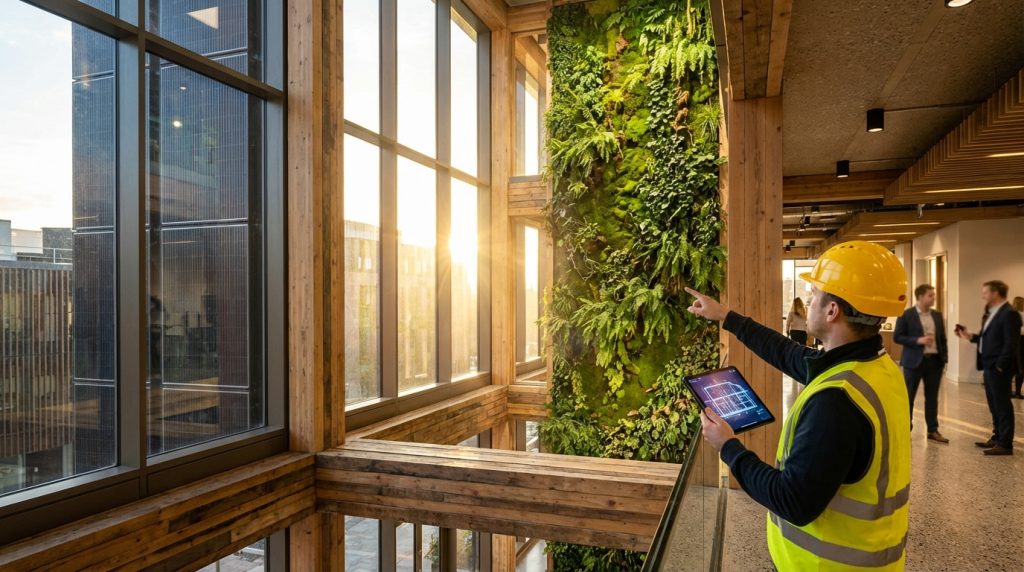
Regardless of the specific standard, several core principles underpin green building. Understanding these principles is fundamental for developers.
Energy Efficiency
This is a cornerstone of green building. It involves reducing the energy consumption of a building. This is achieved through various strategies. These include high-performance insulation. They also include energy-efficient windows and doors. Smart HVAC systems and LED lighting are also crucial. Renewable energy sources, like solar panels, further enhance efficiency. Reducing energy demand is the first step. Then, meeting the remaining demand with clean sources is vital.
Water Conservation
Water is a precious resource. Green buildings aim to minimize water usage. This can be done through low-flow fixtures. It also includes water-efficient landscaping. Rainwater harvesting systems are another excellent strategy. Greywater recycling systems can also be implemented. These systems reuse water from sinks and showers. Thus, they reduce reliance on potable water sources. Conserving water is essential for sustainability. It also lowers operational costs for building owners.
Sustainable Materials and Resources
The choice of materials has a significant environmental impact. Green building prioritizes materials that are recycled, renewable, or locally sourced. This reduces embodied energy. It also minimizes transportation emissions. Using durable materials also extends the lifespan of the building. This reduces the need for frequent replacements. It also minimizes construction waste. Developers should consider the lifecycle impact of materials. This includes their extraction, manufacturing, and disposal.
Indoor Environmental Quality (IEQ)
Green buildings focus on creating healthy and comfortable indoor spaces. This involves improving air quality. It includes using low-VOC (volatile organic compound) paints and finishes. Proper ventilation systems are also critical. Natural light is maximized. This reduces the need for artificial lighting. It also improves occupant well-being. Furthermore, acoustic comfort is considered. Therefore, a healthy indoor environment is paramount.
Waste Reduction and Management
Minimizing waste is a key goal. This applies to both construction and operation. During construction, careful planning and material management can reduce waste. Recycling construction debris is also important. In operation, facilities for recycling and composting are provided. This encourages occupants to reduce their waste footprint. Effective waste management is a hallmark of sustainable development. It diverts waste from landfills.
Implementing Green Building Practices in Development Projects
Integrating green building principles into a development project requires a holistic approach. It starts early in the design phase.
Early Design Integration
The most effective green building strategies are planned from the outset. Developers should engage green building consultants early. They can help identify achievable goals. They also help integrate sustainability into the design. This ensures that energy efficiency, water conservation, and material choices are considered holistically. For instance, orienting a building to maximize natural light can reduce energy needs. This decision is best made during the initial design stages.
Team Collaboration
Successful green building projects rely on strong collaboration. Architects, engineers, contractors, and consultants must work together. They need to share knowledge and expertise. Clear communication is vital. This ensures that sustainability goals are understood and met by all team members. A shared vision is essential. This fosters innovation and problem-solving. Therefore, building a cohesive team is critical.
Life Cycle Assessment (LCA)
An LCA evaluates the environmental impacts of a product or building. It considers all stages of its life. This includes raw material extraction, manufacturing, transportation, use, and disposal. Using LCA helps developers make informed decisions. They can choose materials and systems with lower overall environmental impact. This approach supports long-term sustainability goals. It also helps identify hidden environmental costs.
Procurement Policies
Developers can implement green procurement policies. This means prioritizing the purchase of sustainable products. It includes materials with recycled content or those certified by eco-labels. It also involves specifying energy-efficient equipment. These policies drive demand for green products. They also ensure that project specifications align with sustainability objectives. Therefore, setting clear procurement guidelines is important.
Commissioning and Post-Occupancy Evaluation
Commissioning is a quality assurance process. It verifies that building systems perform as designed. This ensures optimal energy and water efficiency. Post-occupancy evaluations are also valuable. They assess how a building performs after it is occupied. This feedback loop helps identify areas for improvement. It also informs future projects. This continuous improvement cycle is key to effective green building. It ensures that buildings remain sustainable over time.
Challenges and Opportunities
While the benefits are clear, developers may face challenges. These can include perceived higher upfront costs. They may also include a lack of skilled labor. Navigating complex certification processes can also be daunting. However, these challenges are often outweighed by the long-term rewards.
The growing demand for sustainable properties is a significant opportunity. Developers who embrace green building standards can tap into this market. They can also attract investors focused on environmental, social, and governance (ESG) criteria. For example, many funds now prioritize investments in projects with strong ESG reporting.
Furthermore, technological advancements are making green building more accessible. Innovations in materials, energy systems, and smart building technology are constantly emerging. This reduces costs and improves performance. Therefore, the future of real estate development is undeniably green.
Frequently Asked Questions
What is the difference between green building standards and building codes?
Building codes establish minimum safety and health requirements. Green building standards go further. They aim for higher levels of environmental performance and resource efficiency. They are often voluntary, though some jurisdictions are integrating them into codes.
Are green buildings more expensive to build?
While some green features might have higher upfront costs, they often lead to significant long-term savings through reduced utility bills and maintenance. Life cycle cost analysis typically shows green buildings to be more cost-effective over their lifespan.
Which green building standard is best for my project?
The best standard depends on your project’s location, type, budget, and goals. LEED and BREEAM are widely recognized international standards. Energy Star focuses on energy efficiency. Consulting with green building professionals can help you make the right choice.
How can I ensure my construction team understands green building practices?
Provide clear specifications and training. Engage experienced green building professionals. Foster open communication and collaboration throughout the project. This ensures everyone is aligned with the sustainability objectives.
Conclusion
Green building standards are no longer a niche concept. They are becoming a mainstream expectation. For real estate developers, embracing these standards is not just an environmental imperative. It is a smart business strategy. It leads to cost savings, increased property value, and enhanced reputation. By integrating principles like energy efficiency, water conservation, and sustainable materials, developers can create buildings that benefit both people and the planet.
The journey towards greener construction is ongoing. It requires continuous learning and adaptation. However, the rewards are substantial. Developing sustainable buildings positions developers for future success. It also contributes to a healthier and more resilient built environment for generations to come. Ultimately, building green is building better.