Water is life. However, a growing global population and changing climate patterns are putting immense pressure on our freshwater resources. Water scarcity is no longer a distant threat; it’s a present reality for billions. For Agri Tech Founders, understanding and implementing innovative water scarcity solutions is not just an ethical imperative, but a critical business opportunity. This article explores the multifaceted challenges and groundbreaking solutions emerging in this vital sector.
The Growing Crisis: Understanding Water Scarcity
Water scarcity is complex. It stems from both physical shortages and economic issues. Physical scarcity means there simply isn’t enough water to meet demand. This is often due to overuse, pollution, and climate change. Economic scarcity, on the other hand, means water is available but not accessible. This is due to poor infrastructure or mismanagement. Consequently, many regions face severe water stress.
Several factors contribute to this crisis. Firstly, agricultural irrigation is a major water consumer. It accounts for roughly 70% of global freshwater withdrawals. Secondly, industrial processes also require vast amounts of water. Furthermore, population growth intensifies demand. Climate change exacerbates the problem. It leads to unpredictable rainfall patterns and increased evaporation.
The consequences are far-reaching. They include food insecurity, decreased agricultural productivity, and increased competition for resources. Moreover, it impacts public health and ecosystems. Therefore, innovative solutions are urgently needed.
Smart Agriculture: Precision and Efficiency
Agriculture is at the forefront of water innovation. Precision agriculture techniques are transforming how we use water. Farmers are adopting smart sensors and data analytics. These tools help monitor soil moisture levels in real-time. This allows for targeted irrigation. As a result, water is applied only when and where it is needed. This significantly reduces waste.
Drip irrigation systems are another key technology. They deliver water directly to plant roots. This minimizes evaporation and runoff. Consequently, these systems can save up to 70% of water compared to traditional methods. Furthermore, the use of drought-resistant crop varieties is crucial. Breeding and genetic modification are creating crops that thrive with less water. For example, some research focuses on enhancing a plant’s ability to absorb and retain moisture.
Vertical farming and hydroponics offer water-efficient alternatives. These systems use significantly less water than conventional farming. Hydroponics, for instance, recirculates water. This can reduce water usage by up to 90%. Vertical farms also minimize land use. This is important in water-stressed urban areas. These advancements are vital for water-efficient farming.
Water Harvesting and Storage Innovations
Capturing and storing water are essential. Rainwater harvesting systems are becoming more sophisticated. They collect rainfall from rooftops and other surfaces. This water can then be stored for later use. Advanced filtration systems ensure its quality. Similarly, fog harvesting technologies are emerging. These systems use nets to capture moisture from fog. This is particularly useful in arid coastal regions.
Groundwater recharge is another important strategy. This involves replenishing underground aquifers. Methods include infiltration basins and injection wells. These techniques help maintain groundwater levels. They also reduce reliance on surface water sources. Furthermore, smart water management systems are crucial. They integrate data from various sources. This includes weather forecasts and sensor networks. Therefore, they optimize water allocation and distribution.
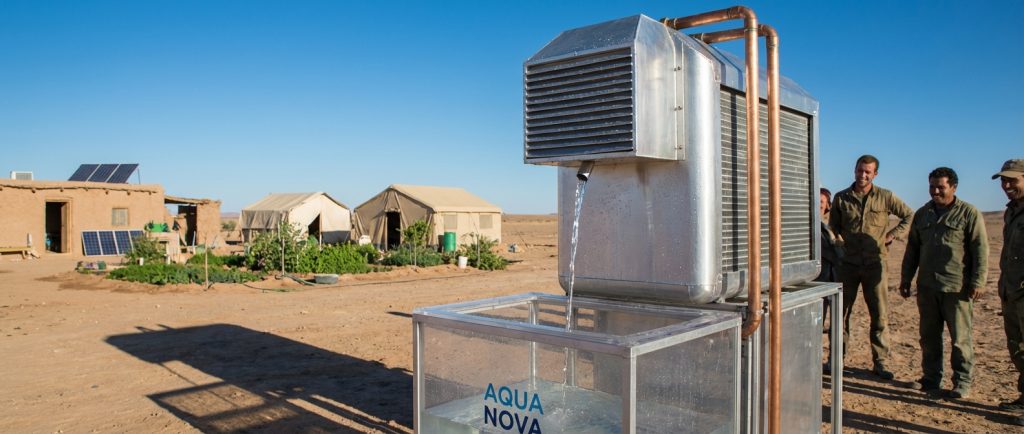
In arid regions, atmospheric water generation (AWG) is gaining traction. These technologies extract water vapor from the air. They can provide a decentralized water source. This is especially beneficial for remote communities. Consequently, AWG offers a novel approach to water security.
Wastewater Treatment and Reuse
Wastewater is a valuable, often overlooked, resource. Advanced treatment technologies are making reuse feasible. Membrane bioreactors (MBRs) and reverse osmosis (RO) systems can purify wastewater to a high standard. This treated water can be used for irrigation, industrial processes, and even for replenishing drinking water supplies. Hence, turning waste into a resource is a key solution.
Circular water systems are gaining prominence. These systems aim to minimize water loss. They treat and reuse water within a closed loop. This is particularly relevant for industries. Many industrial processes consume large volumes of water. By implementing circular systems, they can significantly reduce their water footprint. For example, some industries are exploring circular water systems to manage their resources effectively.
Decentralized wastewater treatment systems are also important. They treat water closer to the source. This reduces the need for extensive pipe networks. Therefore, it lowers infrastructure costs and energy consumption. These systems can be deployed in rural areas or specific industrial sites. Furthermore, they offer resilience against large-scale system failures.
Desalination: Tapping into the Oceans
Desalination technology is becoming more efficient and cost-effective. It removes salt and minerals from seawater or brackish water. This provides a source of freshwater in coastal and arid regions. Reverse osmosis (RO) and thermal desalination are the most common methods. Ongoing research aims to reduce energy consumption. This is a major factor in the cost of desalinated water.
Innovations in materials science are driving progress. New membranes with higher efficiency and durability are being developed. Furthermore, renewable energy sources are being integrated with desalination plants. This reduces their environmental impact. For instance, solar-powered desalination plants are becoming more viable. Therefore, this makes desalination a more sustainable option.
Despite advancements, challenges remain. The energy intensity and brine disposal are significant concerns. Brine, the concentrated salt byproduct, needs careful management. New methods for brine treatment and resource recovery are being explored. These include extracting valuable minerals. Consequently, desalination is a promising, yet complex, solution.
Policy, Education, and Community Engagement
Technology alone cannot solve water scarcity. Effective policies and regulations are essential. Governments play a crucial role in water resource management. They can implement policies that encourage water conservation. They can also invest in water infrastructure. Furthermore, pricing water appropriately can incentivize efficient use. Water pricing reflects its true value. This encourages conservation and investment in water-saving technologies.
Public awareness and education are also vital. People need to understand the importance of water conservation. Community involvement is key to implementing sustainable practices. Local initiatives can drive change from the ground up. For example, community-led watershed management programs can be highly effective. These programs empower local stakeholders. They ensure that water management decisions are context-specific and inclusive.
International cooperation is also necessary. Water resources often cross national borders. Collaboration is needed to manage shared water resources sustainably. This can prevent conflicts and promote equitable access. Therefore, a holistic approach is required. This approach must combine technological innovation with strong governance and public participation. It is also important to consider one health approaches that link human, animal, and environmental well-being.
The Role of Agri Tech Founders
Agri Tech Founders are in a unique position to drive change. They can develop and deploy innovative solutions. This includes smart irrigation systems, drought-resistant seeds, and water recycling technologies. Furthermore, they can focus on data-driven approaches. These approaches optimize water use in agriculture. For instance, AI-powered analytics can predict crop water needs. This allows for precise irrigation scheduling.
Entrepreneurs can also explore business models. These models can make water-saving technologies accessible. This is especially important for smallholder farmers. Innovative financing mechanisms and public-private partnerships can help. Additionally, founders can focus on education and training. They can help farmers adopt new practices. This ensures that technology is used effectively.
The market for water scarcity solutions is growing rapidly. Agri Tech companies that address this challenge can achieve both significant impact and strong financial returns. For example, companies developing advanced water filtration and recycling systems are seeing substantial interest. The drive towards regenerative agriculture also relies heavily on water efficiency.
Future Outlook and Opportunities
The future of water management will be characterized by integration and innovation. We will see a greater reliance on technology. This includes IoT sensors, AI, and blockchain for water tracking. Nature-based solutions will also play a larger role. These include restoring wetlands and improving soil health. Healthy soil retains more water. This is a key aspect of permaculture and other sustainable farming methods.
The demand for sustainable water management is only increasing. Agri Tech startups have a significant opportunity. They can develop solutions for agriculture, industry, and urban water supply. Furthermore, they can contribute to global water security. This is a challenge that requires continuous innovation. It also requires collaboration across sectors and borders. Therefore, the journey towards water security is ongoing.
Frequently Asked Questions
What are the main causes of water scarcity?
Water scarcity is caused by a combination of factors. These include over-extraction of water resources, pollution of water bodies, inefficient agricultural practices, population growth, and the impacts of climate change such as altered rainfall patterns and increased evaporation. Economic factors, like poor infrastructure and management, also contribute significantly.
How can agriculture become more water-efficient?
Agriculture can become more water-efficient through several methods. These include precision irrigation techniques like drip irrigation, the use of drought-resistant crop varieties, adopting soil moisture sensors, and implementing smart farming technologies. Vertical farming and hydroponic systems also offer highly water-efficient alternatives.
What is the role of wastewater treatment in solving water scarcity?
Wastewater treatment plays a crucial role by making wastewater a reusable resource. Advanced treatment technologies can purify wastewater to a level suitable for irrigation, industrial use, and even replenishing drinking water supplies. This concept of circular water systems minimizes water loss and maximizes resource utilization.
Is desalination a sustainable solution for water scarcity?
Desalination is a promising solution, especially for coastal and arid regions, as it taps into abundant seawater. However, its sustainability depends on reducing its high energy consumption and effectively managing the brine byproduct. Integrating renewable energy sources with desalination plants is making the process more environmentally friendly.
What can individuals do to help combat water scarcity?
Individuals can contribute by conserving water at home, fixing leaks, using water-efficient appliances, and adopting water-wise gardening practices. Educating oneself and others about water conservation and supporting policies that promote sustainable water management are also impactful actions.