
Financial inclusion is crucial. It brings essential financial services to everyone. This includes the unbanked and underbanked populations. Fintech plays a big role here. It offers innovative solutions. These solutions reach more people. They also reduce costs. Understanding different financial inclusion models is key. Fintech founders can use these models. They can build impactful businesses. This article explores these models. It also discusses their benefits and challenges.
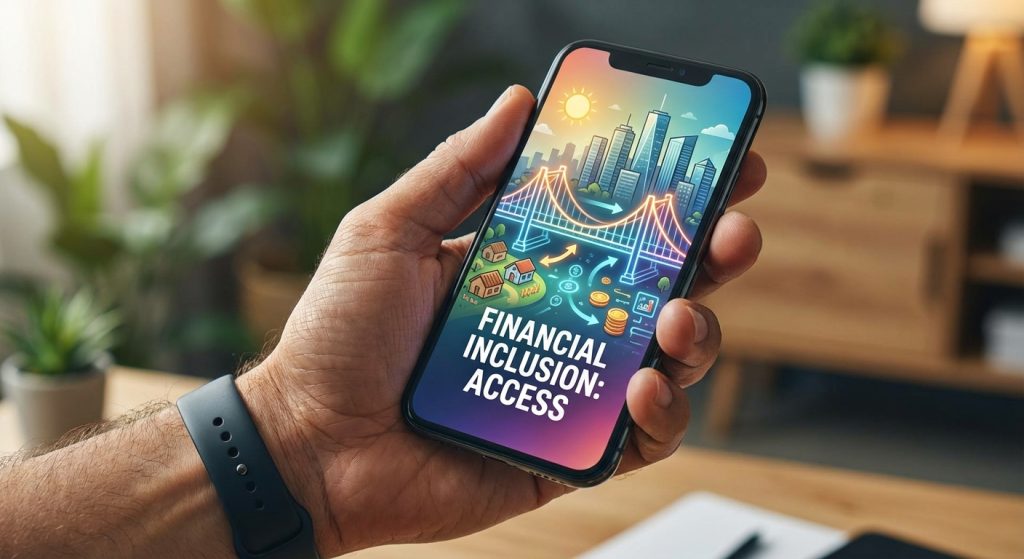
Why Financial Inclusion Matters
Firstly, financial inclusion empowers individuals. It helps them manage money. It allows them to save and invest. It also provides access to credit. This can improve living standards. It fosters economic growth. For businesses, it means a larger customer base. More people can participate in the economy. This drives innovation. It also reduces poverty. Furthermore, it promotes social equity. Everyone deserves access to financial tools. These tools are vital for financial well-being.
Key Financial Inclusion Models
Several models drive financial inclusion. Fintech founders can adopt or adapt these. Each model has unique strengths. Let’s examine them closely.
1. Digital Banking and Wallets
Digital banking is a game-changer. Mobile phones are everywhere. This makes digital banking accessible. Digital wallets store money. They allow easy transactions. Payments become faster and cheaper. This is especially true for remittances. Digital platforms reduce overhead costs. They don’t need physical branches. This lowers the barrier to entry. For instance, many developing countries have high mobile penetration. This makes digital wallets ideal. They connect people to formal finance. These services often include savings and micro-loans.
2. Agent Banking Networks
Agent banking extends financial services. It uses local agents. These agents are often small business owners. They offer basic banking services. This includes cash deposits and withdrawals. They also facilitate bill payments. Agent networks overcome geographical barriers. They reach remote areas. People don’t need to travel far. This builds trust within communities. Agents are familiar faces. They understand local needs. Therefore, this model is very effective. It complements digital solutions. It provides a human touchpoint. This is important for many users.
3. Microfinance Institutions (MFIs) and Fintech Partnerships
MFIs have a long history. They serve low-income individuals. They offer small loans. These loans are for small businesses. Fintech can enhance MFI operations. It can improve loan processing. It can also streamline data collection. This reduces operational costs. It allows MFIs to serve more clients. Partnerships can create hybrid models. These models combine MFI expertise with fintech agility. This is a powerful combination. It expands reach and efficiency. For example, social impact bonds can fund such initiatives. This attracts investment for social good.
4. Blockchain and Cryptocurrency for Financial Inclusion
Blockchain technology offers transparency. It can secure transactions. Cryptocurrencies can facilitate cross-border payments. They can be faster and cheaper. This is particularly beneficial for remittances. Decentralized finance (DeFi) is emerging. It aims to democratize financial services. However, challenges exist. Volatility is a major concern. Regulatory uncertainty is another. Education is also crucial. Many users need to understand these new technologies. Despite challenges, blockchain holds promise. It can create new pathways for inclusion.
5. Data-Driven Credit Scoring and Alternative Data
Traditional credit scoring excludes many. It relies on formal credit history. This is unavailable to the unbanked. Fintech can use alternative data. This includes mobile phone usage. It also includes utility bill payments. Social media data can be used too. This creates new credit profiles. It helps assess risk more accurately. As a result, more people gain access to credit. This is a significant breakthrough. It unlocks economic opportunities. For instance, understanding ESG data integrity is vital for building trust in new data sources.
Challenges in Financial Inclusion
Despite progress, challenges remain. Firstly, digital literacy is a barrier. Many people lack the skills. They need to use digital tools effectively. Secondly, infrastructure gaps persist. Internet access is limited in some areas. Reliable electricity is also needed. Thirdly, trust is a significant factor. People need to trust financial institutions. This is especially true for new fintech solutions. Building this trust takes time. Finally, regulatory frameworks can be complex. They need to adapt to fintech innovations. They should protect consumers. They must also foster growth.
The Role of Fintech Founders
Fintech founders are vital. They innovate and create solutions. They can design user-friendly platforms. They can focus on specific needs. For example, solutions for regenerative agriculture can be tailored for rural communities. Founders must understand their target audience. They should conduct thorough market research. They need to build sustainable business models. Collaboration is also key. Partnering with governments and NGOs helps. It can expand reach and impact. Ultimately, fintech can bridge the financial divide.
Conclusion
Financial inclusion is a journey. It requires continuous innovation. Fintech models are powerful tools. They can reach underserved populations. Digital banking, agent networks, and alternative data are key. Blockchain and MFIs also play important roles. Overcoming challenges like digital literacy and infrastructure is essential. Fintech founders have a unique opportunity. They can drive meaningful change. They can build a more inclusive financial future. This benefits everyone. It creates economic opportunities. It fosters social progress.
Frequently Asked Questions
What is financial inclusion?
Financial inclusion means that individuals and businesses have access to useful and affordable financial products and services. These include transactions, payments, savings, credit, and insurance. These services must be delivered in a responsible and sustainable way.
How does fintech promote financial inclusion?
Fintech uses technology to offer innovative financial services. This often lowers costs and increases accessibility. Mobile banking, digital wallets, and alternative credit scoring are key examples. These tools reach people who were previously excluded from the formal financial system.
What are the main barriers to financial inclusion?
Common barriers include lack of digital literacy, limited access to technology and infrastructure (like internet and electricity), low income, and a lack of trust in financial institutions. Regulatory hurdles can also play a role.
Can blockchain truly help the unbanked?
Yes, blockchain technology has the potential to help. It can enable secure, low-cost cross-border payments and remittances. Decentralized finance (DeFi) also offers new ways to access financial services. However, challenges like volatility and the need for education still exist.
What is agent banking?
Agent banking involves using local merchants or small business owners as agents. These agents provide basic financial services like cash deposits, withdrawals, and bill payments on behalf of a financial institution. This model is effective in reaching remote or rural areas.