

Executive Summary
The fashion industry is at a critical juncture. Consumers and regulators are demanding change. Sustainability is no longer a niche concept. It is a core business imperative. Brands must adapt to survive and thrive. This means embracing ethical sourcing. It also means reducing environmental impact. Innovation in materials and processes is key. Transparency is also vital for building trust. This article explores the multifaceted future of sustainable fashion. It provides actionable insights for retail executives. We will delve into the challenges and opportunities ahead. The goal is to guide your strategy towards a more responsible future.
The Urgency for Sustainable Fashion
Fashion’s environmental footprint is significant. Water usage, carbon emissions, and waste are major concerns. The industry’s linear “take-make-dispose” model is unsustainable. Consumers are increasingly aware of this. They are demanding more ethical and eco-friendly products. Therefore, brands that ignore this shift risk losing market share. Furthermore, regulatory pressures are mounting globally. Governments are introducing stricter environmental laws. This makes sustainability a non-negotiable aspect of business operations.
Environmental Impact of Fast Fashion
Fast fashion relies on rapid production cycles. This often leads to excessive resource consumption. Huge amounts of water are used. Many garments are made from synthetic fibers. These release microplastics into waterways. Also, textile waste is a massive problem. Millions of tons of clothing end up in landfills annually. Consequently, the environmental cost is immense.
Consumer Demand for Ethical Choices
Today’s consumers are more informed. They seek brands that align with their values. They want to know where their clothes come from. They also care about how they are made. Transparency about supply chains is crucial. Brands that prioritize ethical labor practices also resonate. Consumers are willing to pay more for sustainable products. This trend is expected to grow.
Pillars of Sustainable Fashion
Building a sustainable fashion future involves several key areas. These pillars work together to create a more responsible industry. Brands must address each one strategically.
1. Sustainable Materials Innovation
The choice of materials is fundamental. Traditional materials like cotton can be resource-intensive. Therefore, innovation is crucial. Many new alternatives are emerging. These offer lower environmental impact. Examples include recycled fabrics. Organic cotton is another good option. Furthermore, bio-based materials are gaining traction. These can be derived from plants or even waste products.
- Recycled Materials: Utilizing post-consumer waste reduces landfill burden. It also conserves virgin resources.
- Organic Fibers: Grown without harmful pesticides and chemicals. This protects soil health and water quality.
- Bio-based Alternatives: Innovations like mushroom leather and pineapple leaf fibers offer novel solutions.
- Innovative Synthetics: Developing biodegradable or plant-derived synthetics reduces reliance on fossil fuels.
Investing in research and development for new materials is vital. This allows brands to differentiate themselves. It also helps meet evolving consumer expectations. For example, exploring bio-plastics and mycelium materials can provide innovative solutions to plastic pollution.
2. Circular Economy Principles
A circular economy aims to eliminate waste. It keeps products and materials in use. This contrasts with the linear model. Brands are adopting strategies like repair, reuse, and recycling. This extends the life of garments. It also reduces the need for new production.
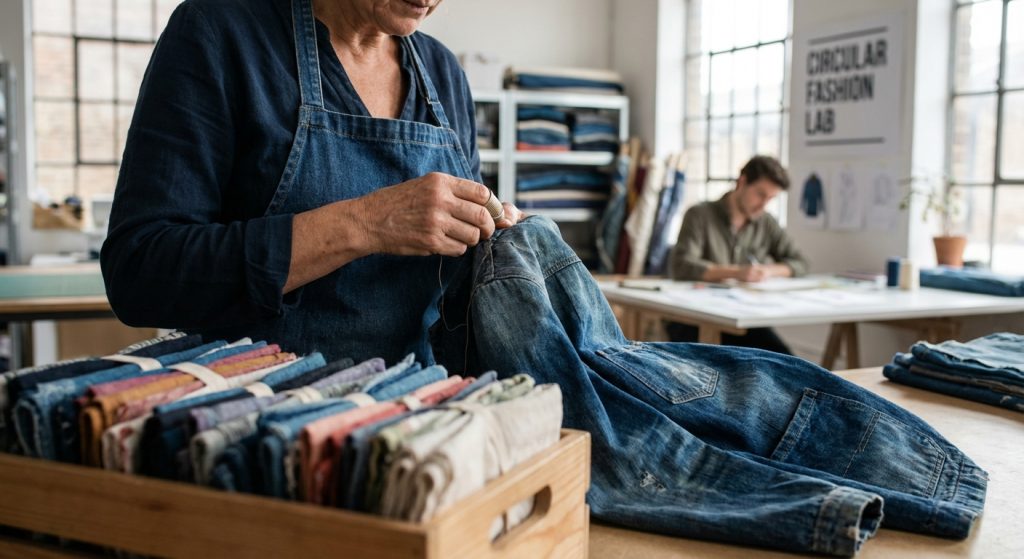
Key circular strategies include:
- Product Design for Longevity: Creating durable, timeless pieces.
- Repair Services: Offering customers options to mend their clothes.
- Resale Platforms: Facilitating the buying and selling of pre-owned garments.
- Take-back Programs: Collecting old garments for recycling or upcycling.
- Rental Models: Providing access to clothing for specific occasions.
Implementing circular supply chain technologies is essential for this transition.
3. Ethical Production and Fair Labor
Sustainability extends beyond environmental concerns. It also encompasses social responsibility. This means ensuring fair wages and safe working conditions for all. Brands must have robust supply chain oversight. This prevents exploitation and modern slavery. Transparency in manufacturing processes is crucial. Consumers want to trust that their clothes are made ethically.
Key considerations for ethical production:
- Fair Wage Policies: Ensuring workers earn a living wage.
- Safe Working Environments: Adhering to strict health and safety standards.
- No Child Labor or Forced Labor: Implementing zero-tolerance policies.
- Supply Chain Audits: Regularly verifying compliance with ethical standards.
Addressing issues like modern slavery prevention is a critical part of this pillar.
4. Transparency and Traceability
Consumers increasingly demand to know the story behind their clothes. They want to trace the journey from raw material to finished product. Blockchain technology offers a promising solution. It can create immutable records of transactions. This enhances transparency across the supply chain. Brands that are open about their practices build stronger customer loyalty.
Benefits of transparency include:
- Increased consumer trust and brand loyalty.
- Better risk management within the supply chain.
- Improved accountability for environmental and social impacts.
- Data-driven insights for continuous improvement.
Challenges and Opportunities for Retail Executives
The transition to sustainable fashion is not without its hurdles. However, it also presents significant opportunities.
Navigating Supply Chain Complexity
Fashion supply chains are notoriously complex. They often span multiple countries. This makes it difficult to monitor every stage. Ensuring compliance with sustainability standards requires significant effort. It also demands collaboration with suppliers. Investing in technology for traceability is key. This helps identify and mitigate risks.
Cost Implications and Investment
Sustainable practices can sometimes incur higher upfront costs. New materials or ethical production methods might be more expensive. However, these costs can be offset by long-term benefits. These include reduced waste, improved efficiency, and enhanced brand reputation. Retail executives must view sustainability as an investment. It is not merely an expense. Furthermore, the market is shifting. Early adopters can gain a competitive advantage.
Consumer Education and Engagement
Educating consumers about sustainable choices is vital. Many consumers are still unaware of the issues. Brands have a role to play in guiding them. Clear labeling and marketing campaigns can help. Engaging consumers in the sustainability journey fosters a sense of partnership. This can lead to greater brand advocacy.
The Role of Technology and Innovation
Technology is a powerful enabler of sustainable fashion. Innovations in materials science, manufacturing, and logistics are transforming the industry. AI can optimize supply chains. Digital passports can provide product transparency. 3D printing can reduce waste. Embracing these advancements is crucial for future success.
The Future Outlook
The sustainable fashion movement is gaining momentum. It is reshaping the industry landscape. Retail executives must embrace this evolution. They need to integrate sustainability into their core business strategies. This involves a holistic approach. It requires commitment from leadership. It also demands collaboration across departments and with external partners.
Key Trends to Watch
Several trends will define the sustainable fashion future. These include the rise of the circular economy. Greater emphasis on regenerative materials is also expected. Furthermore, digital innovation will play a larger role. This includes supply chain traceability and virtual fashion. The focus on social impact will intensify. Brands will be held more accountable for their actions.
Actionable Steps for Retail Executives
To navigate this evolving landscape, executives should consider the following:
- Develop a Clear Sustainability Strategy: Define your brand’s goals and roadmap.
- Invest in Sustainable Materials and Technologies: Prioritize innovation.
- Strengthen Supply Chain Transparency: Implement robust tracking systems.
- Engage and Educate Consumers: Foster a deeper connection with your audience.
- Collaborate with Industry Stakeholders: Work with suppliers, NGOs, and policymakers.
- Measure and Report Progress: Use data to track your impact and drive improvement.
This proactive approach will not only mitigate risks but also unlock new opportunities. It will position your brand for long-term success. For further insights into related sustainable practices, explore our article on Mastering ESG Integration: Strategies for Modern Portfolios.
Frequently Asked Questions
What is the biggest challenge facing sustainable fashion?
The biggest challenge is often the complexity and opacity of global supply chains. Ensuring ethical practices and environmental standards across all tiers of production requires significant effort and investment.
How can brands make sustainable fashion more affordable?
Brands can focus on circular business models like repair and resale. They can also invest in more efficient production methods and explore economies of scale for sustainable materials. Consumer education can also help justify slightly higher price points for durable, ethical products.
What role does technology play in the sustainable fashion future?
Technology is crucial. It enables innovations in materials, such as recycled and bio-based fabrics. It also facilitates supply chain transparency through blockchain, optimizes logistics, and supports circular economy models.
Is sustainable fashion just a trend?
No, sustainable fashion is a fundamental shift driven by consumer demand, regulatory pressure, and a growing awareness of environmental and social issues. It is becoming a core aspect of business strategy for long-term viability.
