
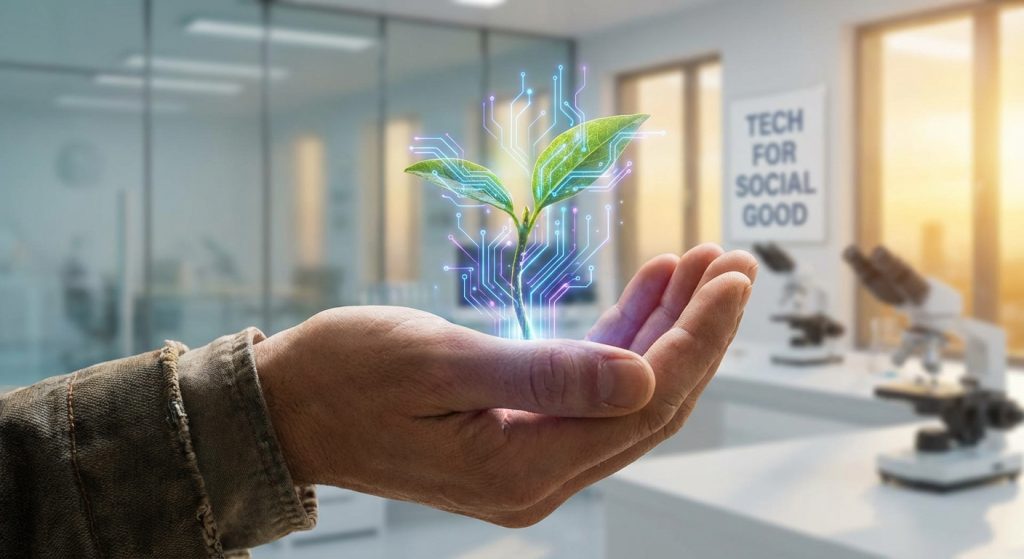
Technology is a powerful force. It can connect us. It can solve problems. Furthermore, it can drive positive change. Tech for social good is transforming our world. It uses innovation to address societal challenges. This field is growing rapidly. It offers immense potential for impact. Social entrepreneurs are at the forefront of this movement. They leverage technology to create a better future.
The Power of Technology in Social Impact
Technology offers unique solutions. It can scale impact quickly. It can reach underserved populations. For instance, mobile apps can deliver education. They can provide healthcare access. Digital platforms can connect volunteers. They can facilitate fundraising efforts. Moreover, data analytics can reveal insights. These insights help target interventions effectively. Therefore, technology amplifies the reach of social good initiatives.
Bridging Gaps with Digital Tools
Many social problems stem from inequality. Technology can help bridge these gaps. For example, online learning platforms democratize education. They provide resources to those without traditional access. Telemedicine expands healthcare reach. This is especially true for rural or remote areas. Financial inclusion is another key area. Fintech solutions empower the unbanked. They offer access to banking and credit. This fosters economic empowerment. Indeed, these tools create more equitable opportunities.
Data-Driven Solutions for Complex Problems
Complex problems require smart solutions. Technology enables data-driven approaches. Social entrepreneurs use data to understand needs. They identify patterns and trends. This allows for more targeted and effective interventions. For instance, sensors can monitor environmental conditions. They can track air and water quality. This data informs policy and action. As a result, we can address issues like pollution more effectively. Similarly, AI can analyze vast datasets. It can predict disease outbreaks. This helps in preparedness and response efforts.
Key Areas of Tech for Social Good
The applications of technology for social good are diverse. They span many critical sectors. Let’s explore some of the most impactful areas.
Education and Skill Development
Education is a cornerstone of progress. Technology is revolutionizing learning. Online courses and educational apps make knowledge accessible. They offer flexible learning opportunities. Furthermore, virtual reality (VR) can create immersive learning experiences. This is particularly useful for vocational training. It allows hands-on practice in a safe environment. Skills development is also crucial. Digital platforms connect job seekers with training. They help individuals acquire in-demand skills. This leads to better employment prospects.
Healthcare and Well-being
Improving health outcomes is a major goal. Technology plays a vital role here. Wearable devices monitor health metrics. They provide valuable data for individuals and doctors. Telehealth platforms connect patients with medical professionals remotely. This is a significant advantage for those with mobility issues. AI is also transforming diagnostics. It can detect diseases earlier. It can assist in treatment planning. For example, AI can analyze medical images. It can spot subtle signs of illness. Moreover, mental health apps offer support. They provide tools for stress management and mindfulness. These technologies promote overall well-being.
Environmental Sustainability
Protecting our planet is a global imperative. Technology offers powerful tools for sustainability. Smart grids optimize energy distribution. They reduce waste and improve efficiency. Renewable energy technologies are becoming more advanced. They offer cleaner alternatives to fossil fuels. For instance, advancements in solar and wind power are crucial. Furthermore, sensors and IoT devices monitor environmental health. They track pollution levels and resource usage. This data drives conservation efforts. Innovations in areas like carbon capture are also vital. These technologies help combat climate change.
Financial Inclusion and Economic Empowerment
Financial exclusion perpetuates poverty. Technology is a powerful tool for inclusion. Mobile banking services reach remote populations. They provide access to essential financial services. Digital payment systems simplify transactions. They reduce reliance on cash. Furthermore, blockchain technology can enhance transparency. It can secure financial records. This builds trust and reduces fraud. Social impact bonds are also gaining traction. They represent an innovative way to fund social programs. These financial tools empower individuals and communities. They foster economic growth.
Disaster Response and Resilience
Natural disasters can devastate communities. Technology can aid in preparedness and response. Drones can provide aerial views of disaster zones. They help assess damage and guide rescue efforts. Communication technologies ensure connectivity. They allow affected individuals to reach out. Data analytics can predict and track disaster events. This enables faster and more coordinated responses. For example, early warning systems save lives. Building resilience is key. Technology can help create more robust infrastructure. It can also support community preparedness programs.
Challenges and Considerations
While technology offers immense potential, challenges remain. We must address these thoughtfully.
The Digital Divide
Access to technology is not universal. The digital divide persists. Many people lack reliable internet access. They may not have affordable devices. This can exclude them from the benefits of tech for good. Bridging this gap requires investment in infrastructure. It also needs digital literacy programs. We must ensure inclusivity in our solutions.
Ethical Implications and Data Privacy
Technology often involves collecting data. This raises ethical concerns. Data privacy is paramount. We must protect user information. Bias in algorithms is another issue. AI systems can perpetuate existing inequalities. Therefore, ethical considerations must guide development. Transparency and accountability are essential. We need robust frameworks for responsible innovation. For instance, ethical AI is a growing concern. We must ensure these systems are fair and unbiased.
Sustainability of Solutions
Social impact initiatives need to be sustainable. Technology solutions must be viable long-term. This involves careful planning and funding models. Relying solely on grants can be risky. Exploring revenue streams or social enterprise models is often necessary. Furthermore, the technology itself must be adaptable. It needs to evolve with changing needs. We must also consider the environmental impact of technology. For example, e-waste is a growing problem.
The Role of Social Entrepreneurs
Social entrepreneurs are visionaries. They identify needs and create solutions. They often use technology as a key enabler. Their passion and innovation drive progress. They are crucial in translating technological potential into real-world impact. They understand the nuances of social problems. They build bridges between technology and community needs. Their work is essential for building a more just and sustainable world. Many of these entrepreneurs focus on areas like corporate social purpose, aiming to integrate impact into business models.
Future Trends in Tech for Social Good
The field of tech for social good is constantly evolving. Several exciting trends are emerging.
- AI for Impact: Artificial intelligence will play an even larger role. It will drive innovation in healthcare, education, and environmental monitoring.
- Blockchain for Transparency: Distributed ledger technology can enhance transparency in supply chains and aid distribution of aid.
- XR for Empathy: Extended reality (XR) technologies can create immersive experiences. They can foster empathy and understanding of social issues.
- IoT for Sustainability: The Internet of Things will connect more devices. This will enable better resource management and environmental monitoring.
- Personalized Solutions: Technology will enable more tailored solutions. This applies to education, healthcare, and even social support systems.
Frequently Asked Questions
What is “Tech for Social Good”?
Tech for social good refers to the application of technology to address societal challenges and create positive social impact. It involves using innovative tools and platforms to solve problems in areas like education, healthcare, environmental sustainability, and economic empowerment.
How can social entrepreneurs leverage technology?
Social entrepreneurs can leverage technology by using digital platforms for outreach and fundraising, employing data analytics to understand needs and measure impact, utilizing mobile technology for service delivery, and adopting AI for more efficient and targeted solutions.
What are some examples of tech for social good in action?
Examples include telemedicine platforms expanding healthcare access, educational apps providing learning resources to underserved communities, renewable energy solutions combating climate change, and fintech innovations promoting financial inclusion.
What are the main challenges in implementing tech for social good?
Key challenges include the digital divide, ensuring data privacy and ethical AI use, and achieving long-term sustainability for the technological solutions.
How can I get involved in tech for social good?
You can get involved by supporting organizations working in this space, volunteering your tech skills, investing in social impact startups, or by pursuing a career in social innovation. Exploring topics like green finance can also be a pathway for impact investors.
Conclusion
Technology is a powerful catalyst for social change. Tech for social good is not just about innovation. It is about applying that innovation wisely. It is about solving real-world problems. Social entrepreneurs are leading this charge. They are using technology to build a more equitable, sustainable, and prosperous future for all. As technology continues to advance, its potential to create positive impact will only grow. Therefore, embracing and supporting these innovations is crucial.