Advanced Veterinary Imaging: MRI & CT Scans for Animals
Published on February 3, 2026 by Admin
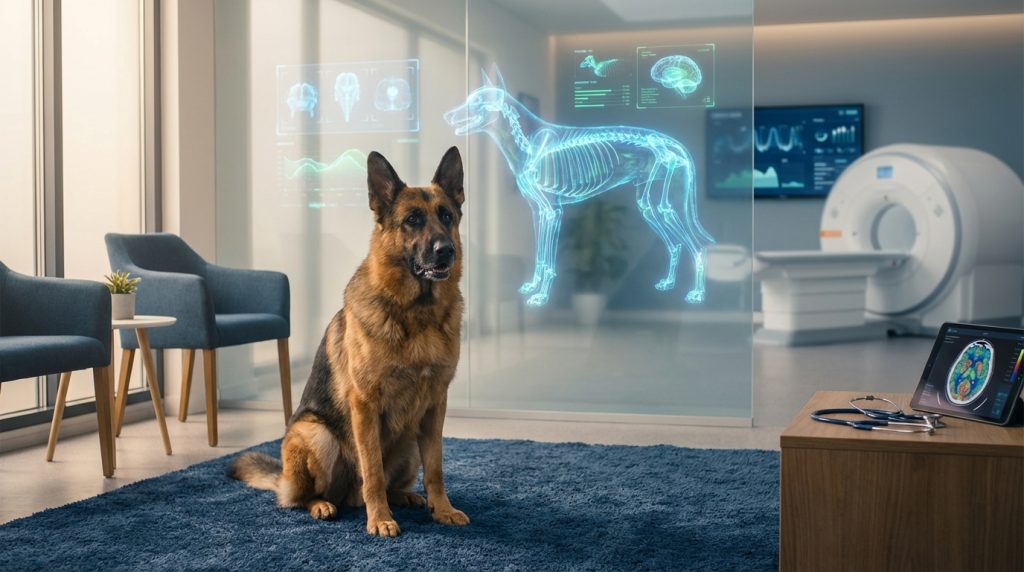
Veterinary medicine has advanced significantly. Imaging techniques are now crucial. MRI and CT scans offer incredible detail. They help diagnose complex animal conditions. These technologies provide a window into an animal’s body. This allows for more precise diagnoses. It also leads to better treatment plans.
The Power of Advanced Imaging
For many years, X-rays were the primary imaging tool. While useful, X-rays have limitations. They are good for bones. They are less effective for soft tissues. This is where MRI and CT scans excel. They provide detailed cross-sectional views. Therefore, they reveal subtle abnormalities. This is a game-changer for animal health.
These advanced techniques are non-invasive. They reduce the need for exploratory surgery. This means less stress for the animal. It also means quicker recovery times. Ultimately, it leads to better outcomes for our animal companions and livestock.
Understanding CT Scans in Veterinary Medicine
A CT scan, or computed tomography, uses X-rays. It takes multiple images from different angles. A computer then combines these images. This creates detailed cross-sectional slices. Think of it like slicing a loaf of bread. You can see each slice clearly. CT scans are excellent for visualizing bone. They are also very good for lung and abdominal organs. Furthermore, they can detect tumors and internal bleeding.
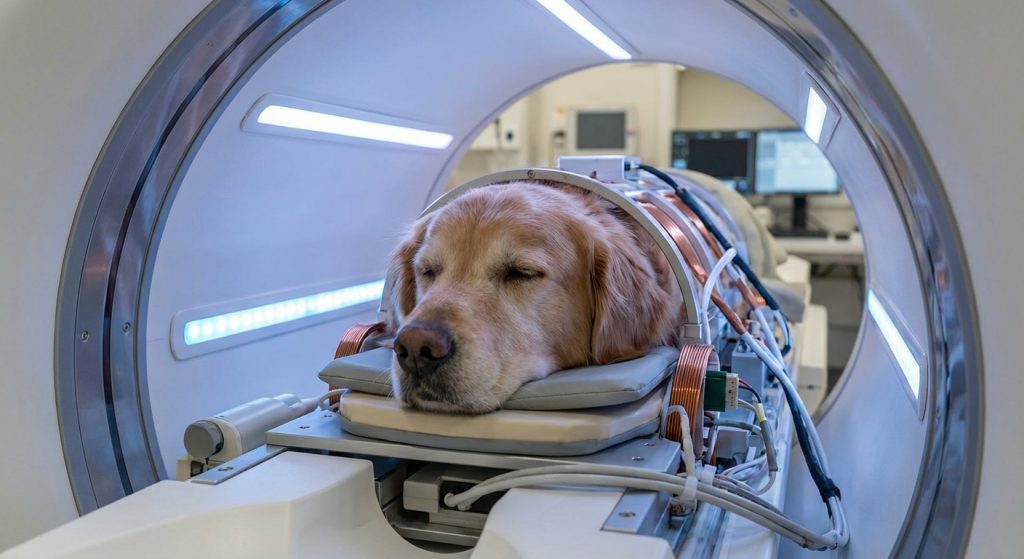
The process is relatively quick. Animals are typically sedated or anesthetized. This ensures they remain still during the scan. The scan itself takes only a few minutes. Afterward, the images are analyzed by a veterinary radiologist. They interpret the findings to guide diagnosis.
When Are CT Scans Recommended?
CT scans are often used for specific conditions. These include:
- Diagnosing bone fractures, especially complex ones.
- Detecting tumors in the chest, abdomen, or pelvis.
- Evaluating injuries to the head or spine.
- Assessing lung diseases.
- Identifying foreign objects ingested by the animal.
For example, a dog with persistent coughing might undergo a CT scan. This helps identify the cause, such as pneumonia or a tumor. Similarly, a cat that has fallen might need a CT scan to check for internal injuries. These scans provide a level of detail previously unimaginable.
The Precision of MRI Scans
Magnetic Resonance Imaging (MRI) is different from CT. It uses strong magnetic fields and radio waves. It does not use ionizing radiation like X-rays or CT. MRI is superb at visualizing soft tissues. This includes the brain, spinal cord, muscles, and ligaments. It provides very high-resolution images.
Like CT, MRI requires sedation or anesthesia. The animal lies within a large, tube-like magnet. The procedure can take longer than a CT scan. This is because it involves acquiring multiple image sequences. However, the detailed information gained is often invaluable. For instance, diagnosing neurological conditions in pets relies heavily on MRI.
Applications of MRI in Veterinary Care
MRI is the go-to for many conditions:
- Diagnosing brain tumors and other neurological disorders.
- Detecting spinal cord injuries or diseases.
- Evaluating joint problems, such as ligament tears (e.g., ACL tears in dogs).
- Assessing soft tissue masses or tumors.
- Investigating ear infections that extend deep into the ear canal.
Imagine a dog suddenly losing coordination. An MRI can pinpoint the exact location of a spinal lesion or brain abnormality. This allows for targeted treatment. Therefore, it can significantly improve the prognosis. The ability to see these delicate structures is a testament to modern veterinary science.
Comparing CT and MRI: What’s the Difference?
While both CT and MRI provide detailed internal views, they differ significantly. CT is faster and better for bone. It is also generally more accessible and less expensive. MRI is slower but superior for soft tissues. It is the preferred choice for neurological and musculoskeletal imaging. The choice between CT and MRI depends on the suspected condition and the area of the body being examined.
Veterinary specialists carefully consider these factors. They select the imaging modality that will yield the most diagnostic information. Sometimes, both CT and MRI may be needed for a complete picture. This comprehensive approach ensures the best possible care for the animal.
The Diagnostic Process: From Scan to Treatment
Receiving advanced imaging is just one step. The diagnostic process involves several key stages. Firstly, a thorough physical examination is performed. This helps the veterinarian understand the animal’s symptoms. Next, blood tests and other laboratory work may be done. These provide general health information. Then, if indicated, advanced imaging like CT or MRI is scheduled.
After the scan, a board-certified veterinary radiologist interprets the images. They provide a detailed report. This report is crucial for the referring veterinarian. It outlines the findings and offers a differential diagnosis. Based on this report and the clinical signs, a definitive diagnosis is made. Finally, a tailored treatment plan is developed. This plan might include surgery, medication, or other therapies. This systematic approach ensures no stone is left unturned.
Preparing Your Pet for Imaging
Preparing your pet is essential for a successful scan. Owners will be advised on pre-procedure fasting. This is usually required to prevent aspiration during anesthesia. Any necessary medications should be discussed with the clinic. It’s also important to inform the veterinary team about any allergies your pet has. Furthermore, a calm and reassuring presence from the owner can help. This reduces the animal’s anxiety before the procedure. Ultimately, the goal is to ensure the animal’s safety and comfort.
Benefits of Advanced Imaging for Animals
The advantages of using MRI and CT scans in veterinary medicine are numerous. Firstly, they enable earlier and more accurate diagnoses. This is critical for conditions that can rapidly worsen. Secondly, they allow for less invasive diagnostic procedures. This means reduced risk and faster recovery for the animal. Thirdly, these technologies aid in treatment planning. Precisely knowing the extent and location of a problem helps surgeons plan procedures. It also helps medical oncologists tailor cancer treatments.
Moreover, advanced imaging can help monitor treatment effectiveness. For example, follow-up scans can show if a tumor is shrinking. They can also reveal if a disease is progressing. This information is vital for adjusting treatment strategies. In essence, these tools empower veterinarians to provide a higher standard of care. They help ensure animals lead healthier, longer lives. This is particularly important for companion animals, as they are integral parts of our families. It also has significant implications for livestock health, impacting food security.
Challenges and Future Directions
Despite their benefits, advanced imaging techniques present challenges. The equipment is expensive to purchase and maintain. This can make these services costly for pet owners. Additionally, specialized training is required for technicians and radiologists. Not all veterinary clinics have access to MRI or CT scanners. Therefore, many animals need to be referred to specialized imaging centers. This can cause delays in diagnosis and treatment.
However, the field is constantly evolving. Future directions include making these technologies more accessible and affordable. Miniaturization of equipment is one possibility. Another is the development of more portable units. Furthermore, artificial intelligence (AI) is playing an increasing role. AI can assist in image analysis, potentially speeding up the diagnostic process. It may also help detect subtle abnormalities that a human eye might miss. For example, AI is being explored for its potential in detecting early signs of disease. This could revolutionize preventative care. The integration of these technologies promises an even brighter future for animal health.
Frequently Asked Questions (FAQ)
Is MRI or CT better for my pet?
The choice between MRI and CT depends on the suspected condition. CT is generally better for bone and faster imaging. MRI is superior for soft tissues like the brain and spinal cord. Your veterinarian will recommend the most appropriate scan.
Will my pet need anesthesia for an MRI or CT scan?
Yes, typically pets require anesthesia or sedation. This is to ensure they remain perfectly still during the scan. Movement can blur the images and compromise the diagnostic quality. Safety protocols are in place to manage the anesthesia effectively.
How long does an MRI or CT scan take?
A CT scan is usually quite fast, often taking only a few minutes for image acquisition. An MRI scan typically takes longer, sometimes 30-60 minutes or more, depending on the complexity of the scan and the area being examined.
What are the risks associated with MRI and CT scans?
The primary risks are associated with anesthesia. However, veterinary teams are highly trained to manage these risks. For CT scans, the risk involves radiation exposure, but this is minimized by using the lowest effective dose. MRI scans do not use radiation. It is important to discuss any concerns with your veterinarian.
Can I stay with my pet during the scan?
Generally, owners are not allowed in the scan room during the procedure. This is for safety reasons, as the magnetic fields in MRI can be dangerous, and the X-ray radiation in CT requires strict safety protocols. However, staff will ensure your pet is as comfortable as possible.
Conclusion
Advanced veterinary imaging, particularly MRI and CT scans, has revolutionized animal diagnostics. These powerful tools provide unparalleled insights into an animal’s internal structures. They enable earlier, more accurate diagnoses. Consequently, they lead to more effective and less invasive treatments. While challenges like cost and accessibility remain, ongoing technological advancements and the growing expertise of veterinary professionals promise an even brighter future. Ultimately, these imaging modalities play a vital role in ensuring the health and well-being of our beloved animal companions and the productivity of livestock. They are indispensable in modern veterinary care.