Engineering Hope: Animal Prosthetics for Lost Limbs
Published on February 3, 2026 by Admin
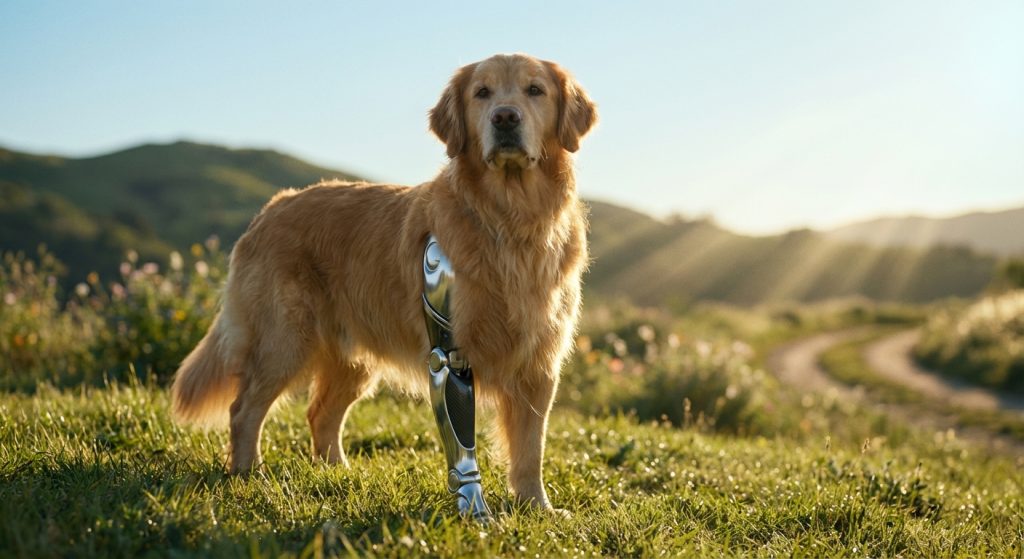
Losing a limb is a life-altering event for any animal. It impacts mobility, independence, and overall well-being. However, thanks to advancements in engineering and veterinary science, hope is on the horizon. Animal prosthetic design offers remarkable solutions. These are not just simple aids; they are sophisticated devices. They aim to restore function and improve the quality of life for animals with lost limbs.
This field combines engineering expertise with a deep understanding of animal biomechanics. The goal is to create prosthetics that are both functional and comfortable. Therefore, it’s a multidisciplinary effort. It involves engineers, veterinarians, prosthetists, and animal owners. Together, they work to give animals a second chance at a full and active life.
The Need for Animal Prosthetics
Animals, like humans, rely on their limbs for a multitude of activities. These include walking, running, jumping, and playing. When a limb is lost due to injury, illness, or congenital defect, these activities become difficult or impossible. This can lead to:
- Decreased mobility and exercise.
- Increased stress on remaining limbs, potentially causing secondary issues.
- Reduced quality of life and increased dependency.
- Behavioral changes due to pain or frustration.
Moreover, the emotional toll on both the animal and its owner can be significant. Therefore, finding effective solutions is crucial. Animal prosthetics provide a tangible way to address these challenges. They offer a path toward restoring independence and happiness.
Understanding the Design Process
Designing a successful animal prosthetic is a complex process. It starts with a thorough assessment of the individual animal. This includes evaluating the residual limb, the animal’s size, weight, and activity level. Also, the intended use of the prosthetic is considered. For example, a prosthetic for a pet dog will have different requirements than one for a working animal.
1. Assessment and Measurement
Firstly, precise measurements are taken. This is often done using traditional methods or advanced 3D scanning. A 3D scan creates a digital model of the residual limb. This allows for highly accurate customization. The veterinarian and prosthetist work closely together during this stage. They ensure all relevant anatomical details are captured.
2. Material Selection
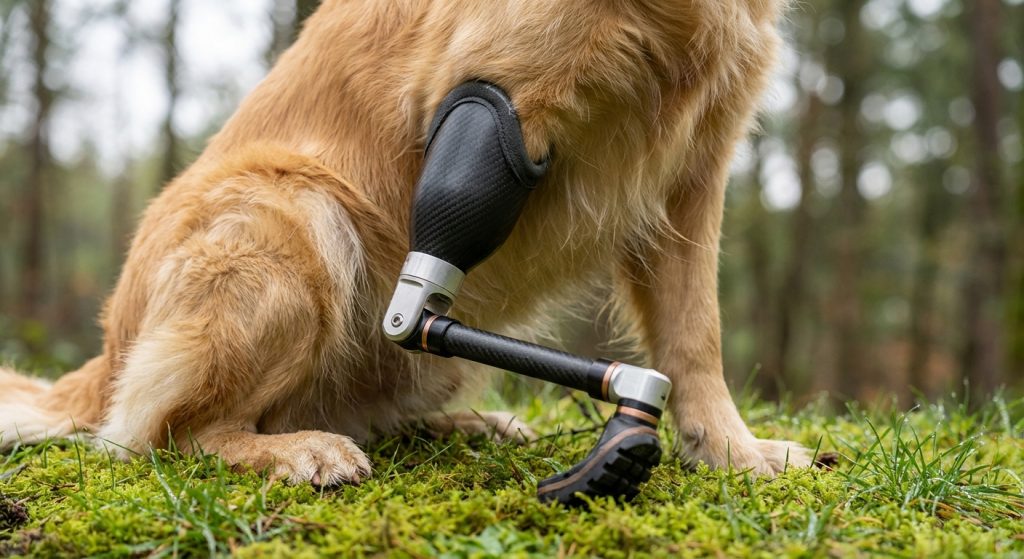
Next, material selection is critical. Prosthetics need to be lightweight yet durable. Common materials include carbon fiber, titanium, and various polymers. These materials offer strength without adding excessive weight. Furthermore, biocompatible materials are essential. They prevent skin irritation and allergic reactions.
3. Fabrication and Customization
Following measurement and material selection, the prosthetic is fabricated. This often involves custom molding and fitting. 3D printing technology has revolutionized this stage. It allows for rapid prototyping and highly personalized designs. Therefore, each prosthetic is unique to the animal it serves.
4. Fitting and Gait Analysis
The final stage involves fitting the prosthetic. This is a crucial step. The animal needs to adapt to the new device. Gait analysis is performed to ensure the prosthetic allows for a natural and balanced gait. Adjustments are made as needed. This iterative process ensures optimal comfort and function. It’s vital for the animal’s acceptance of the prosthetic.
Types of Animal Prosthetics
The type of prosthetic designed depends on the animal and the limb affected. Common examples include:
- Forelimb prosthetics: These are often designed to support weight and aid in locomotion. They can range from simple braces to complex articulated limbs.
- Hindlimb prosthetics: These are frequently used for animals with amputations above the knee or ankle. They help restore balance and facilitate walking.
- Partial limb prosthetics: For animals with partial limb loss, specialized devices can provide support and protection to the remaining structure.
Furthermore, prosthetics can be designed for various purposes. Some are for everyday mobility, while others are for specific activities like swimming or agility training. The diversity of designs reflects the adaptability of engineering solutions.
Challenges and Innovations
Despite significant progress, challenges remain in animal prosthetic design. One major hurdle is the natural variation in animal anatomy and physiology. Unlike humans, animals cannot always articulate their discomfort or needs precisely. Therefore, observation and careful fitting are paramount.
1. Biomechanics and Gait Adaptation
Replicating the natural biomechanics of an animal’s gait is complex. Each species, and even each individual, moves differently. Engineers must account for joint movement, muscle engagement, and weight distribution. Innovations in sensor technology and AI are helping to create more responsive prosthetics. These can adapt to the animal’s movements in real-time.
2. Affordability and Accessibility
Currently, custom-designed animal prosthetics can be expensive. This limits accessibility for many pet owners. However, the increasing use of 3D printing and modular designs is helping to reduce costs. Furthermore, research into more affordable and readily available materials continues. This is vital for making these life-changing devices accessible to more animals.
3. Animal Acceptance and Training
Some animals may initially resist wearing a prosthetic. Therefore, a gradual introduction and positive reinforcement training are often necessary. This process can take time and patience. However, with proper guidance, most animals adapt well. They learn to trust and utilize their new limb. This is similar to how pets adapt to new environments or routines, such as learning to cope with pet anxiety.
Success Stories and the Future
Numerous heartwarming success stories highlight the impact of animal prosthetics. From service dogs regaining their ability to assist their handlers to beloved pets running and playing again, these devices offer renewed hope. The field is constantly evolving. Future innovations may include:
- Neuro-prosthetics: Devices that interface directly with the animal’s nervous system for more intuitive control.
- Smart prosthetics: Integrated sensors that monitor limb health, activity levels, and provide feedback.
- Regenerative approaches: Combining prosthetic technology with advancements in tissue engineering.
The future of animal prosthetic design is bright. It promises even more sophisticated and personalized solutions. These will continue to enhance the lives of animals worldwide. The dedication of researchers and professionals in this field ensures that animals with lost limbs are not left behind. They can experience a full and mobile life. This dedication echoes the broader effort to understand and preserve animal well-being, as seen in discussions about animal minds.
Frequently Asked Questions
What is the typical lifespan of an animal prosthetic?
The lifespan of an animal prosthetic can vary greatly. It depends on the materials used, the animal’s activity level, and how well it is maintained. Generally, a well-maintained prosthetic can last several years. However, as the animal grows or its needs change, adjustments or replacements may be necessary.
Can any animal be fitted with a prosthetic?
While prosthetics can be designed for a wide range of animals, success depends on several factors. These include the animal’s health, the condition of the residual limb, and the animal’s temperament. Generally, mammals like dogs, cats, and horses are good candidates. However, research is ongoing for other species.
How do I care for an animal prosthetic?
Care typically involves regular cleaning to prevent skin irritation and infection. The prosthetic should be inspected for wear and tear. Following the prosthetist’s specific instructions for cleaning and maintenance is crucial. This ensures the longevity and effectiveness of the device.
What are the signs my animal might need a prosthetic?
Signs include difficulty walking, limping, uneven gait, or inability to bear weight on a limb. Your veterinarian is the best resource for diagnosing whether a prosthetic is a suitable option. They can assess the animal’s condition and recommend the appropriate course of action.
How does prosthetic design differ from human prosthetics?
While the core principles of biomechanics and materials science are similar, animal prosthetics must account for different gaits, anatomical structures, and the fact that animals cannot verbally communicate their comfort. Customization and understanding animal behavior are even more critical in animal prosthetic design.
Conclusion
Animal prosthetic design represents a remarkable intersection of technology and compassion. It offers tangible solutions for animals facing the challenges of limb loss. By engineering custom devices, professionals are restoring mobility, independence, and joy. As technology advances, we can anticipate even more innovative solutions. These will further bridge the gap between disability and ability for our animal companions and wildlife alike. This progress underscores a growing commitment to enhancing animal welfare through scientific advancement.