
Aquatic Plant Aquascaping: Crafting Underwater Worlds
Published on February 3, 2026 by Admin
What is Aquatic Plant Aquascaping?
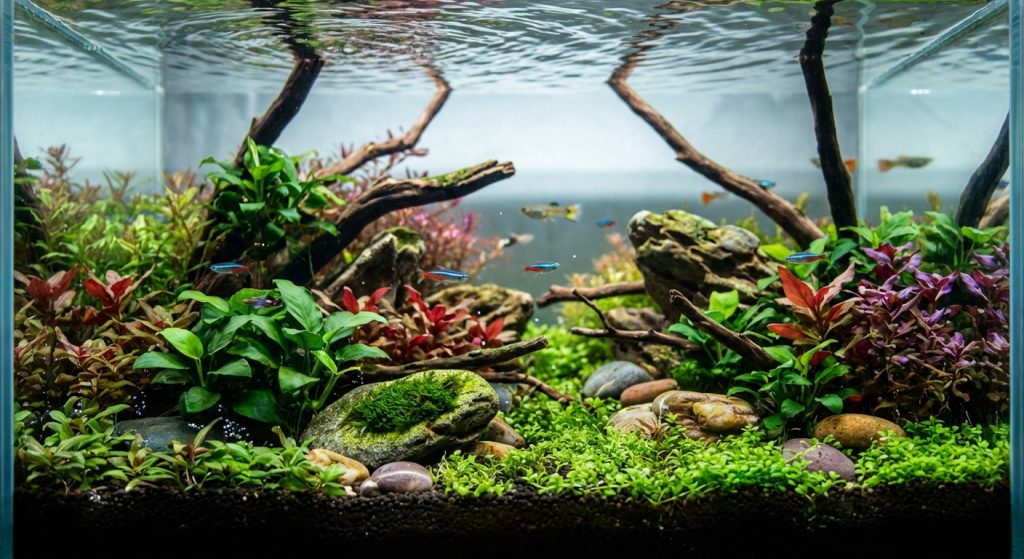
Aquascaping is essentially underwater gardening. You arrange aquatic plants. You also use rocks and driftwood. The goal is to create a beautiful scene. It mimics natural landscapes. Think of mountains or forests. You can recreate these underwater. It’s more than just adding plants. It involves careful planning. Design principles are important. Balance and harmony are key.
The Appeal of Aquascaping
Many people are drawn to aquascaping. It provides a connection to nature. Aquariums offer a living piece of art. They can be very calming. Watching fish swim among plants is therapeutic. It also improves air quality. Plants release oxygen. They absorb carbon dioxide. Therefore, aquascaping is both beautiful and beneficial.
Getting Started with Aquascaping
Starting your aquascaping journey is exciting. It requires some basic knowledge. You need the right equipment. You also need suitable plants. Planning is crucial. Consider the size of your tank. Think about the overall aesthetic. Do you want a minimalist look? Or a lush, overgrown jungle?
Essential Equipment
Firstly, you need a good aquarium. Glass tanks are common. They offer clear viewing. The size matters. Larger tanks are more stable. They are also easier to maintain. Next, you need a filter. This keeps the water clean. A good filter is vital for plant health. Lighting is also very important. Plants need light to grow. Choose a light that suits your plants. You might need a heater. Many tropical plants need warm water. Substrate is another key element. This is the material at the bottom. It provides nutrients for plants. Sand or gravel can work. Specialized aquascaping substrates are best. They offer better nutrient content.
Choosing the Right Plants
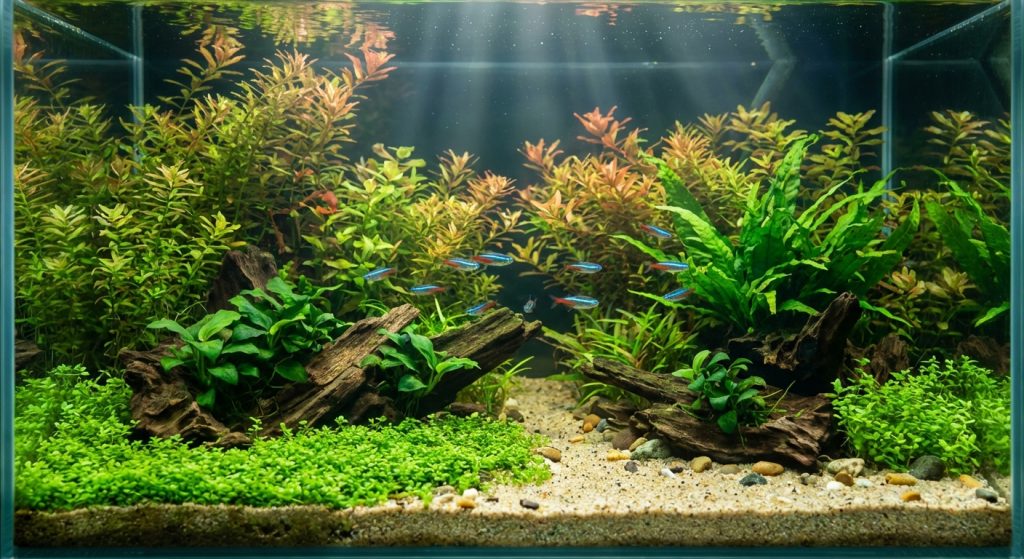
Plant selection is crucial. Different plants have different needs. Some need high light. Others prefer low light. Some are rooted plants. Others float or attach to surfaces. Consider the plant’s growth rate. Fast-growing plants can quickly fill a tank. Slow-growing plants require less maintenance.
- Foreground plants: These are low-growing. They create a carpet effect. Examples include Dwarf Hairgrass and Monte Carlo.
- Midground plants: These add depth and structure. Examples include Cryptocoryne and Anubias.
- Background plants: These are tall plants. They fill the back of the tank. Examples include Vallisneria and Amazon Swords.
- Epiphytes: These plants attach to rocks or wood. Examples include Java Fern and Anubias Nana Petite.
- Floating plants: These float on the surface. They can provide shade. Examples include Frogbit and Duckweed.
Therefore, choosing a variety is key. This creates visual interest. It also supports a healthy ecosystem.
Aquascaping Styles
There are several popular aquascaping styles. Each offers a unique aesthetic. Understanding these can guide your design.
Nature Aquarium Style
This style aims to replicate natural scenes. It emphasizes lush greenery. It often uses rocks and wood. The goal is a serene, natural look. Takashi Amano is a pioneer of this style. He believed in creating a “water garden.”
Dutch Aquarium Style
This style is characterized by vibrant colors. It uses a wide variety of plants. Rows of plants are common. It focuses on plant density. There is little open space. It looks like a terrestrial flower garden.
Iwagumi Style
This style is minimalist. It uses only rocks. Plants are sparse. The focus is on the arrangement of stones. It creates a sense of calm and simplicity. It often uses only one type of plant.
Biotop Aquascaping
This style tries to recreate a specific natural habitat. You choose plants and animals. They must be native to that region. It requires extensive research. It’s about ecological accuracy.
The Process of Aquascaping
Creating an aquascape is a rewarding process. It involves several steps. Patience is essential.
Planning and Design
Before you start, plan your design. Sketch your ideas. Consider the tank dimensions. Think about the focal point. Where will your eye be drawn? Decide on your style. Research different layouts. This is a crucial first step.
Substrate and Hardscaping
Add your substrate first. A layer of nutrient-rich substrate is recommended. Then, add your hardscape. This includes rocks and driftwood. Arrange them to create structure. Think about scale and proportion. The hardscape sets the stage. It provides anchor points for plants.
Planting
Now, it’s time to plant. Use tweezers for precision. Plant your foreground plants first. Then add midground and background plants. Ensure roots are well-covered. Don’t overcrowd the tank initially. Plants will grow and fill in.
Water and Lighting
Carefully add water. Avoid disturbing the substrate. Install your filter and heater. Set up your lighting. The duration and intensity depend on your plants. Many plants thrive on a 6-8 hour photoperiod.
Maintenance and Growth
Regular maintenance is key. You will need to trim plants. You may need to dose fertilizers. Water changes are also important. Monitor your plants and fish. Adjust conditions as needed. Growth takes time. Be patient. The tank will evolve.
Maintaining Your Aquascape
A healthy aquascape requires ongoing care. This ensures the beauty and vitality of your underwater world.
Water Parameters
Maintaining stable water parameters is vital. This includes temperature, pH, and hardness. Different plants prefer different conditions. Research your plants’ needs. Regular water testing is recommended.
Fertilization
Aquatic plants need nutrients. Most substrates provide initial nutrients. However, you will likely need to fertilize. Liquid fertilizers are common. They are added directly to the water. You might also need root tabs. These are placed in the substrate.
Lighting Schedule
Consistent lighting is important. Too much light can cause algae blooms. Too little light stunts plant growth. Stick to a regular schedule. Use a timer for consistency.
Trimming and Pruning
As plants grow, they need trimming. This encourages bushier growth. It also prevents overcrowding. Remove any dead or decaying leaves. This keeps the aquarium clean.
Algae Control
Algae is a common challenge. It can detract from the beauty. It can also outcompete plants. Good maintenance helps prevent algae. Ensure proper lighting and fertilization. You can also introduce algae-eating fish or invertebrates. Snails and shrimp are popular choices.
Common Aquascaping Mistakes to Avoid
New aquascapers often make mistakes. Learning from these can save you time and effort.
- Overcrowding: Starting with too many plants can lead to issues. Plants need space to grow.
- Poor Lighting: Insufficient light stunts growth. Too much light causes algae.
- Ignoring Water Parameters: Unstable water conditions stress plants and fish.
- Rushing the Process: Aquascaping takes time. Be patient with plant growth and tank maturation.
- Not Researching Plants: Different plants have different needs. Choose wisely.
Therefore, careful planning and consistent effort are key.
The Benefits of Aquatic Plant Aquascaping
Aquascaping offers numerous rewards. It’s more than just a hobby.
Stress Reduction
The act of creating and maintaining an aquascape can be very calming. Observing the underwater world is meditative. It provides a sense of peace. This can significantly reduce stress.
Creativity and Artistry
Aquascaping is a form of art. It allows for immense creativity. You can design unique and beautiful scenes. It’s a way to express yourself.
Educational Value
You learn about aquatic ecosystems. You understand plant needs. You also learn about fish behavior. It’s a hands-on learning experience. You can explore topics like phytoremediation, which uses plants to clean contaminated sites, in a naturalistic context.
Improved Home Environment
An aquascape adds natural beauty to any room. It can be a stunning focal point. It also contributes to a healthier indoor environment.
Frequently Asked Questions
What is the easiest plant for beginners?
For beginners, plants like Java Fern, Anubias, and Marimo Moss Balls are excellent choices. They are very hardy. They don’t require high light or CO2 injection.
How often should I change the water?
A typical water change is about 20-30% weekly. However, this can vary. It depends on your tank’s bioload and plant mass.
Do I need CO2 for my plants?
Many low-tech plants do not require CO2. However, for fast-growing stem plants or high-tech setups, CO2 injection is beneficial. It significantly boosts growth.
How long does it take for an aquascape to mature?
Maturation takes time. It can take several weeks to a few months. Plants need to establish. The ecosystem needs to balance.
Can I combine different aquascaping styles?
Yes, you can. However, it’s often best to focus on one primary style. This creates a more cohesive look. Mixing too many styles can look chaotic.
Conclusion
Aquatic plant aquascaping is a captivating hobby. It blends art, science, and nature. It offers a unique way to bring the beauty of the underwater world into your life. With careful planning, the right equipment, and consistent care, you can create breathtaking living landscapes. Therefore, dive in and start your aquascaping adventure today.
