Bamboo Construction: The Eco-Warrior’s Building Block
Published on February 3, 2026 by Admin
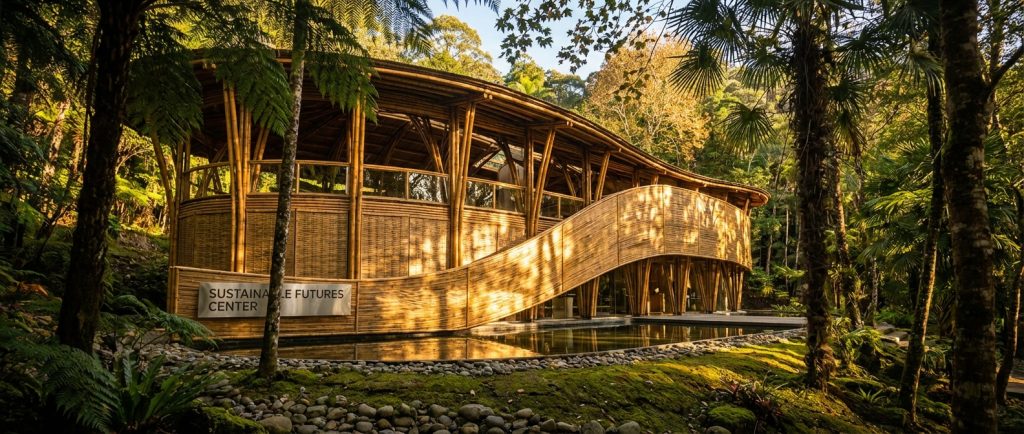
Bamboo is a remarkable natural resource. It offers a sustainable and strong alternative for construction. Many builders are now recognizing its potential. This article explores the power of bamboo in construction. We will look at its benefits and applications.
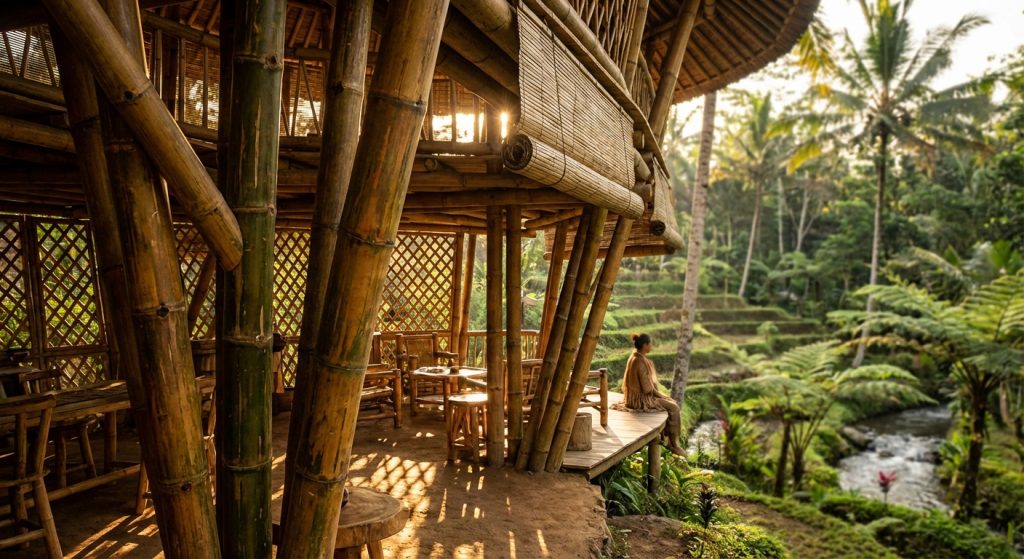
Why Choose Bamboo for Building?
Bamboo grows incredibly fast. It is a renewable resource. This makes it an excellent choice for green building. It also has a high strength-to-weight ratio. This means it can be as strong as steel. Yet, it is much lighter.
Furthermore, bamboo sequesters carbon dioxide. This helps combat climate change. Its cultivation requires little water and no pesticides. Therefore, it has a low environmental impact.
Environmental Advantages
Bamboo’s rapid growth is key. Some species can grow up to three feet per day. This ensures a constant supply. It is also biodegradable. This reduces waste at the end of its life cycle.
Additionally, bamboo farming helps prevent soil erosion. Its root system binds the soil together. This is especially important in tropical regions. It also requires minimal fertilizer. This protects waterways from pollution.
Structural Prowess
Bamboo’s tensile strength is impressive. It rivals that of concrete. Its hollow, cylindrical structure makes it very rigid. This rigidity is crucial for structural integrity. Advanced treatments enhance its durability. They also protect against pests and moisture.
Engineered bamboo products are also emerging. These include laminated bamboo lumber. They offer even greater strength and stability. These innovations expand bamboo’s use in complex designs.
Applications of Bamboo in Construction
Bamboo is versatile. It can be used for many building components. From structural frames to decorative elements, its uses are vast.
Structural Frameworks
Traditionally, bamboo has been used for scaffolding. It is also used for walls and roofs in many parts of the world. Modern techniques allow for larger structures. This includes bridges and even multi-story buildings.
Engineered bamboo can replace conventional timber. It is suitable for beams, columns, and trusses. Its lightness simplifies transportation and assembly. This can significantly reduce construction time and costs.
Non-Structural Elements
Beyond its load-bearing capabilities, bamboo excels elsewhere. It can be used for flooring. It is also ideal for wall panels and decorative screens. Its natural aesthetic adds warmth and beauty.
Furthermore, bamboo is used for furniture and decorative items. This makes it a complete solution for interior and exterior design. It aligns well with biophilic design principles. These principles connect building occupants to nature.
Innovative Uses
Researchers are exploring new applications. This includes bamboo composites. These can be used for insulation and even as a binder in concrete. The potential is constantly expanding.
Bamboo has also been used in temporary structures. It is excellent for disaster relief housing. Its affordability and rapid deployment are critical advantages. This makes it a valuable resource in emergencies.
Treating and Preserving Bamboo
Untreated bamboo is susceptible to insects and decay. Proper treatment is essential. This ensures the longevity of bamboo structures. Several methods exist to enhance its durability.
Traditional Methods
Many traditional methods involve natural preservatives. Soaking bamboo in water or mud is common. Borax and boric acid treatments are also effective. These methods deter pests and fungi.
Smoking bamboo is another technique. It helps to dry out the culms. It also makes them more resistant to insects. These methods have been used for centuries. They are often low-cost and accessible.
Modern Treatments
Modern preservation techniques offer greater protection. This includes pressure treating bamboo. It is infused with preservatives deep into the material. This provides long-lasting defense against decay and insects.
Boron-based solutions are widely used. They are effective and relatively eco-friendly. Heat treatment is also employed. It stabilizes the bamboo. It also reduces its moisture content.
Challenges and Considerations
Despite its many benefits, bamboo construction faces challenges. These include standardization and building codes. Public perception is also a factor.
Building Codes and Standardization
Many regions lack specific building codes for bamboo. This can make obtaining permits difficult. Developing clear standards is crucial. It will help integrate bamboo into mainstream construction. This ensures safety and quality.
Engineered bamboo products require rigorous testing. This is to ensure they meet structural requirements. International standards are being developed. This will facilitate wider adoption.
Perception and Education
Some people still view bamboo as a temporary material. They may not see its full potential. Educating architects, engineers, and the public is important. It highlights bamboo’s strength and sustainability.
Showcasing successful bamboo projects can change perceptions. These projects demonstrate its viability for diverse applications. It is vital to highlight its long-term performance. This builds confidence in its use.
Durability and Maintenance
While treatments improve durability, bamboo still requires care. Regular inspection and maintenance are necessary. This is similar to timber construction. Protecting it from constant moisture is key. Proper design can mitigate these issues.
Using appropriate finishes and sealants can extend its life. This is especially true in harsh climates. However, compared to its environmental benefits, the maintenance is often manageable.
The Future of Bamboo Construction
The demand for sustainable building materials is growing. Bamboo is perfectly positioned to meet this demand. Technological advancements are enhancing its properties. This opens up new possibilities.
The global market for bamboo construction is expanding. It is driven by environmental concerns. It is also driven by the need for affordable housing. As more research is conducted, bamboo’s role will only increase. It offers a pathway to truly green construction.
Furthermore, the potential for carbon-negative buildings is significant. Bamboo sequesters carbon as it grows. Using it in construction locks that carbon away. This contributes to climate mitigation efforts. This makes it a powerful tool for a sustainable future. It is time to embrace the power of bamboo.
Frequently Asked Questions
Is bamboo strong enough for houses?
Yes, bamboo is exceptionally strong. It has a higher tensile strength than steel. With proper treatment and design, it is very suitable for building houses and even larger structures.
How long does a bamboo structure last?
The lifespan of a bamboo structure depends heavily on the treatment and maintenance. Properly treated and maintained bamboo can last for decades, often 50 years or more. Untreated bamboo, however, is susceptible to rot and insects.
Is bamboo construction more expensive than traditional materials?
In many regions, bamboo is more affordable than traditional materials like concrete or steel. While specialized engineered bamboo products might have a higher upfront cost, the overall construction process can be faster and less labor-intensive, potentially leading to cost savings.
What are the main environmental benefits of using bamboo in construction?
Bamboo is a rapidly renewable resource that sequesters significant amounts of carbon dioxide. Its cultivation requires minimal water and no pesticides, and it helps prevent soil erosion. It is also biodegradable, reducing landfill waste.
What kind of maintenance does bamboo construction require?
Bamboo structures require regular inspections to check for any signs of insect infestation or decay. Protecting the bamboo from prolonged exposure to moisture is crucial. Applying sealants or protective finishes can also extend its lifespan.