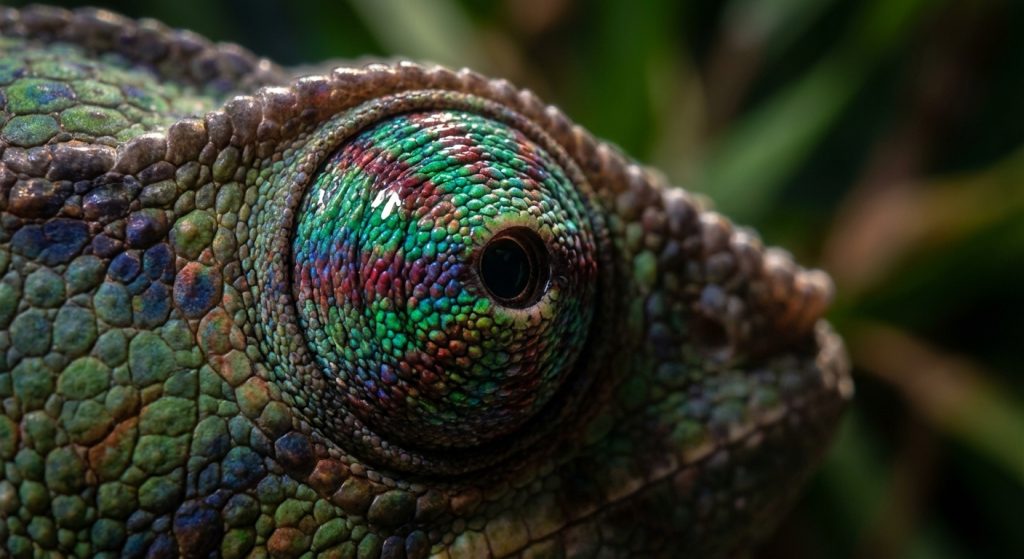
Reptiles showcase a dazzling array of colors. These hues are not just for show. They play vital roles in survival and social interaction. This article will explore the fascinating world of reptile coloration. We will delve into camouflage, communication, and how color can indicate health.
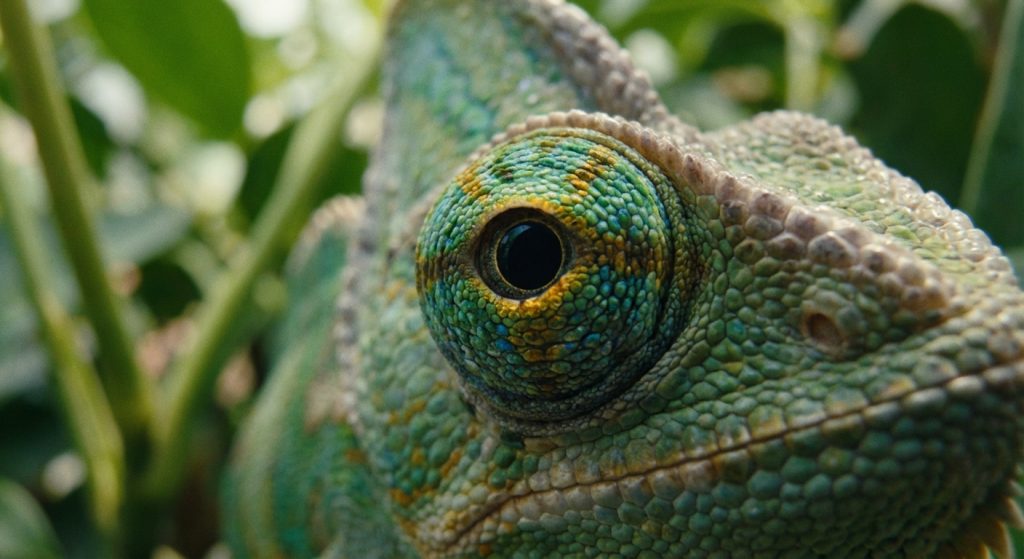
The Art of Disappearing: Camouflage
Many reptiles use color for camouflage. This helps them hide from predators. It also aids in ambushing prey. The specific colors and patterns are often adapted to their environment. For instance, green snakes blend into grassy areas. Brown lizards match rocky terrain. Some reptiles can even change their color. This allows them to adapt to different backgrounds. Chameleons are famous for this ability. Their color changes are complex. They are used for both hiding and communication.
Mimicry and Disruption
Coloration can also involve mimicry. Some harmless snakes mimic venomous ones. This deters predators. Other reptiles use disruptive coloration. This means bold patterns break up their body outline. It makes them harder to spot. Think of the intricate patterns on a python. These break up its shape against dappled sunlight. Therefore, camouflage is a crucial survival tool for many species.
Speaking in Color: Communication
Color is a powerful form of communication for reptiles. It is used in many social contexts. For example, males often display bright colors. This attracts females during mating season. These vibrant displays can be quite elaborate. They signal fitness and health. Therefore, a bright color can be an advertisement.
Territorial Displays and Social Signaling
Color can also signal dominance or aggression. Rival males might show off their brightest colors. This is a warning to other males. It establishes territory. Conversely, subdued colors might signal submission. Some species use color to recognize each other. This is important for social bonding. It helps them identify mates or rivals. For example, anoles often change their dewlap color. This is a key part of their communication. Thus, color is a visual language for reptiles.
A Window to Well-being: Color and Health
A reptile’s coloration can be a direct indicator of its health. Healthy reptiles typically have vibrant, consistent colors. Unhealthy reptiles may show dull or faded colors. This can happen for several reasons. Poor diet is a common cause. A lack of essential nutrients affects pigment production. Therefore, a dull lizard might be a sick lizard.
Disease and Stress Indicators
Changes in color can also signal illness or stress. For instance, a reptile might develop dark patches. This could indicate a fungal infection. Or it might be a sign of internal disease. Stress can also affect coloration. A stressed reptile might lose its vibrancy. It might display abnormal patterns. Observing these color changes is vital for reptile keepers. It allows for early detection of problems. Hence, a reptile’s skin tells a story of its health.
Factors Influencing Reptile Coloration
Several factors influence a reptile’s color. These include genetics, environment, and diet. Genetics determine the basic color palette. However, environmental factors can modify this. Temperature and light play significant roles. For example, some lizards are darker in cooler temperatures. This helps them absorb more heat. Conversely, they may be lighter in warmer conditions to reflect heat. Diet is also critical. Certain pigments require specific dietary components. For instance, carotenoids from food can influence yellow and red tones. Therefore, a balanced diet is essential for vibrant color.
The Role of Pigments
Reptile skin contains specialized pigment cells. These are called chromatophores. There are several types. Melanophores contain melanin, producing black and brown colors. Xanthophores produce yellow and red colors. Iridophores contain reflective crystals. They create iridescent or metallic sheens. These cells work together. They create the diverse and complex patterns we see. Furthermore, some reptiles have leucophores. These produce white pigment. The interplay of these cells is remarkable. It creates a living canvas.
Specific Examples of Reptile Coloration
Let’s look at some specific examples. Snakes often have patterns for camouflage. The Gaboon viper has intricate diamond patterns. This allows it to blend perfectly with leaf litter. Geckos, like the leopard gecko, have spots. These help them hide in rocky or sandy environments. Turtles and tortoises also show variation. Some have bright patterns on their shells. These might be for species recognition or mating displays. The bearded dragon is another good example. Its color can change based on mood, temperature, and health. A healthy, happy dragon is often brightly colored. A stressed or unwell one may appear duller. These examples highlight the diverse functions of reptile color.
Maintaining Healthy Reptile Colors
For reptile enthusiasts, maintaining healthy coloration is important. It signifies a well-cared-for animal. Firstly, provide a species-appropriate diet. This ensures they get the necessary nutrients and pigments. Secondly, manage their environment carefully. This includes proper temperature and humidity levels. Adequate UVB lighting is also crucial for many species. It aids in calcium metabolism and overall health. Thirdly, minimize stress. Avoid sudden changes or handling them excessively. A calm environment promotes good health and vibrant colors. For example, understanding the specific needs of reptile health challenges is key. Additionally, regular observation is vital. Look for any unusual changes in color or pattern. These could be early signs of trouble. Therefore, diligent care leads to a healthier, more colorful reptile.
Frequently Asked Questions
Why do some reptiles change color?
Reptiles change color for several reasons. Primarily, it’s for camouflage to hide from predators or ambush prey. They also change color for communication, such as attracting mates or signaling dominance. Some color changes can also indicate their mood or health status.
Can a reptile’s color indicate sickness?
Yes, a reptile’s coloration can be a strong indicator of its health. Healthy reptiles typically display vibrant and consistent colors. Conversely, dull, faded, or patchy coloration can signal underlying health issues, poor diet, or stress.
What are the main pigments responsible for reptile colors?
Reptile skin contains specialized cells called chromatophores. Key pigments include melanin (black/brown), carotenoids (yellow/red), and reflective crystals in iridophores that create metallic or iridescent effects. Leucophores produce white pigment. The interaction of these cells creates the diverse colorations.
How does diet affect reptile color?
Diet is crucial for vibrant reptile coloration. Certain pigments, like carotenoids responsible for yellow and red hues, must be obtained from the diet. A deficiency in essential nutrients can lead to dull or faded colors.
Are all reptiles capable of changing color?
No, not all reptiles can change color. While some, like chameleons and certain anoles, are masters of color change, many other reptiles have fixed color patterns determined by genetics and their environment.
Conclusion
In conclusion, reptile coloration is a complex and vital aspect of their lives. It serves critical functions in survival through camouflage, communication within their species, and as a visible sign of their overall health. Understanding these colorful adaptations provides a deeper appreciation for the diversity and sophistication of the reptile world. For keepers and enthusiasts, recognizing the significance of these colors is key to providing optimal care and ensuring the well-being of these fascinating creatures. The study of animal psychology further illuminates the intricate behaviors tied to these visual cues.
“`