
Pests can be a gardener’s worst nightmare. They damage crops. They spread disease. Therefore, protecting your plants is crucial. Organic pest defense offers a sustainable approach. It avoids harmful chemicals. This protects beneficial insects. It also keeps your garden healthy. Moreover, it ensures your produce is safe to eat.
In this article, we will explore effective organic pest control methods. We will cover prevention strategies. We will also discuss natural remedies. You will learn how to identify common pests. Understanding your enemy is the first step. Then, you can choose the best defense.
Understanding Organic Pest Control
Organic pest control focuses on ecological balance. It works with nature, not against it. The goal is to create a healthy ecosystem. This makes plants naturally resistant to pests. It also encourages predators of pests. Therefore, integrated pest management (IPM) is key. It combines various strategies.
Firstly, prevention is paramount. Healthy soil leads to healthy plants. Healthy plants are less attractive to pests. Secondly, monitoring is essential. Regularly inspect your plants. Look for early signs of infestation. This allows for quick intervention. Thirdly, biological controls are vital. These involve using natural enemies of pests. Finally, mechanical and physical controls offer direct solutions.
Prevention: The First Line of Defense
Preventing pest problems is always easier than treating them. Strong plants are less susceptible. This starts with good soil health. Use compost and organic matter. This provides essential nutrients. It also improves soil structure. As a result, plants grow stronger.
Crop rotation is another effective strategy. Planting the same crop in the same spot year after year depletes soil. It also allows specific pests to build up. Therefore, rotating crops confuses pests. It breaks their life cycles. Companion planting also helps. Certain plants can deter pests. Others can attract beneficial insects.
Choosing the Right Companions
Some plant combinations are highly effective. For instance, marigolds are known to deter nematodes. They also repel other garden pests. Basil planted near tomatoes can deter tomato hornworms. Nasturtiums can act as a trap crop. They attract aphids away from more valuable plants. Furthermore, aromatic herbs like mint and rosemary can confuse and repel many insects.
Conversely, some plants should not be planted together. For example, avoid planting beans near onions or garlic. This is because onions and garlic can inhibit bean growth. Therefore, research your plant pairings carefully. It can save you a lot of trouble later.
Monitoring Your Garden
Regularly scouting your garden is non-negotiable. This means looking closely at your plants. Check the undersides of leaves. Examine stems and new growth. Early detection is crucial. It allows for simple solutions before an infestation takes hold.
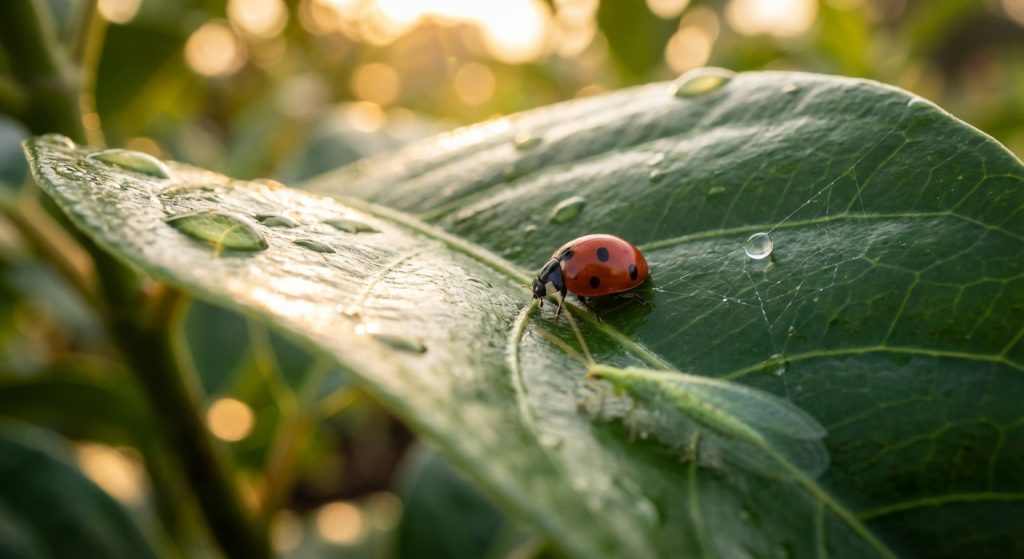
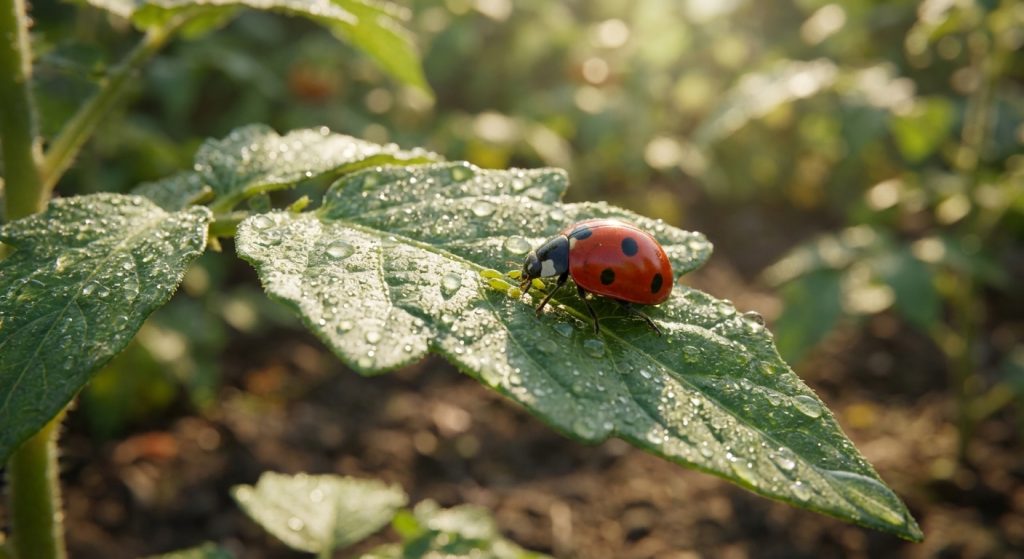
Look for common signs of pests. These include holes in leaves, wilting, discolored spots, or the presence of insects themselves. Furthermore, pay attention to beneficial insects. Ladybugs, lacewings, and predatory wasps are your allies. They feed on common garden pests. Therefore, identifying them is important.
Biological Control: Nature’s Pest Squad
Biological control uses living organisms. These organisms prey on or parasitize pests. It is a highly effective and eco-friendly method. It works by reintroducing natural balances into the garden.
Introducing Beneficial Insects
You can purchase beneficial insects. These include ladybugs for aphids. You can also buy lacewing larvae for a variety of pests. Praying mantises are also excellent predators. Furthermore, parasitic wasps can target specific pests like caterpillars and whiteflies. It is important to release them at the right time. Usually, this is in the evening. Also, ensure there is a food source for them.
Microbial Pest Control
Some bacteria and fungi are natural pest deterrents. Bacillus thuringiensis (Bt) is a common example. It is a soil bacterium. It produces toxins harmful to specific insect larvae. It is particularly effective against caterpillars. Therefore, it is widely used in organic farming. Other microbial agents target specific fungal or insect diseases.
Physical and Mechanical Controls
These methods involve direct action against pests. They are often simple and effective. They require manual effort but are chemical-free.
Handpicking Pests
For larger pests like slugs, snails, and caterpillars, handpicking is very effective. Simply remove them from your plants. Drop them into a bucket of soapy water. Do this regularly. It can significantly reduce populations. Furthermore, consider wearing gloves. Some pests can cause skin irritation.
Barriers and Traps
Physical barriers can prevent pests from reaching plants. Row covers protect young seedlings from insects. Copper tape can deter slugs and snails. Sticky traps can catch flying insects like whiteflies and aphids. These traps are often yellow or blue. The color attracts the insects. Then, they get stuck on the adhesive surface.
Furthermore, water sprays can dislodge small pests like aphids. A strong jet of water can knock them off plants. Repeat this treatment as needed. It is a simple yet effective method.
Organic Sprays and Repellents
When other methods are not enough, organic sprays can help. These are derived from natural sources. They are generally safer than synthetic pesticides.
Neem Oil
Neem oil is derived from the neem tree. It is a powerful insecticide, fungicide, and miticide. It works by disrupting insect hormones. It also smothers pests. Therefore, it is effective against a wide range of problems. Apply it according to the product instructions. Typically, it is diluted with water. Spray it on affected plants. Ensure you cover all surfaces. Also, apply it in the early morning or late evening. This avoids harming beneficial insects.
Insecticidal Soap
Insecticidal soap is made from potassium salts of fatty acids. It works by breaking down the insect’s outer shell. This causes dehydration. It is effective against soft-bodied insects like aphids, whiteflies, and spider mites. However, it can also harm some beneficial insects. Therefore, use it judiciously. Always test on a small area first. Ensure it doesn’t damage the plant’s foliage.
Garlic and Pepper Sprays
These homemade sprays act as natural repellents. They deter many common garden pests. To make a garlic spray, blend garlic cloves with water. Let it steep overnight. Strain the mixture. Add a drop of mild soap. For a pepper spray, blend hot peppers with water. Strain and add soap. These sprays can be applied directly to plants. They create an unpleasant odor or taste for pests.
Common Garden Pests and Their Organic Solutions
Let’s look at some common garden pests. We will also discuss their organic control methods.
Aphids
Aphids are small, sap-sucking insects. They often cluster on new growth. They can weaken plants. For organic control, try a strong spray of water. Introduce ladybugs or lacewings. Insecticidal soap is also effective. Neem oil can also be used.
Slugs and Snails
These slimy mollusks love moist environments. They chew holes in leaves and fruits. Handpicking is effective. Beer traps can also work. Place shallow containers of beer in the garden. Slugs and snails are attracted to it. They then drown in the liquid. Copper barriers around plants can also deter them.
Caterpillars
Caterpillars can decimate vegetable crops. Bacillus thuringiensis (Bt) is highly effective. It targets caterpillar larvae specifically. Handpicking is also an option for larger infestations. Encourage birds in your garden. They are natural predators of caterpillars.
Whiteflies
These tiny white insects fly up when disturbed. They suck plant sap. They can also spread viruses. Yellow sticky traps are very useful. Neem oil can also control them. Introducing parasitic wasps is another option.
Spider Mites
These tiny arachnids are hard to see. They cause stippling on leaves. They thrive in hot, dry conditions. A strong spray of water can dislodge them. Insecticidal soap or neem oil can be effective. Keeping plants well-watered also helps prevent infestations.
Creating a Resilient Garden Ecosystem
Organic pest defense is not just about killing pests. It is about building a healthy garden. A healthy garden is naturally more resistant. It supports a diverse range of life. This includes beneficial insects and microorganisms. Therefore, focus on soil health. This is the foundation of a thriving garden.
Consider the overall impact of your actions. Avoid broad-spectrum pesticides. They kill both pests and beneficials. Instead, use targeted solutions. This preserves the natural balance. Furthermore, embrace biodiversity. A more diverse garden is a stronger garden. It can better withstand pest pressures. You might also find interest in learning about agroforestry, which integrates trees into farming systems for greater ecological benefit.
Conclusion
Organic pest defense is a rewarding approach. It protects your garden and the environment. By focusing on prevention, monitoring, and natural controls, you can maintain a healthy ecosystem. Remember, a balanced garden is a pest-free garden. Embrace these methods. Enjoy a thriving, organic harvest.
Frequently Asked Questions
What is the most important aspect of organic pest control?
The most important aspect is prevention. Creating a healthy environment for your plants makes them naturally resistant to pests. This includes healthy soil, crop rotation, and companion planting.
Can I use store-bought organic pesticides safely?
Yes, many store-bought organic pesticides are safe when used as directed. Always read the label carefully. Ensure the product is approved for organic use. Examples include neem oil and insecticidal soaps.
How often should I inspect my garden for pests?
It is recommended to inspect your garden at least once or twice a week. Pay close attention to new growth and the undersides of leaves. Early detection is key to effective organic pest management.
Are organic pest control methods always slower than chemical ones?
Not necessarily. While some organic methods require consistent application, they work with nature’s cycles. This can lead to long-term, sustainable control. Chemical pesticides offer quick fixes but can have detrimental side effects.
What are some common beneficial insects I should encourage?
Key beneficial insects include ladybugs, lacewings, predatory wasps, hoverflies, and praying mantises. These insects prey on common garden pests like aphids, mites, and caterpillars.
