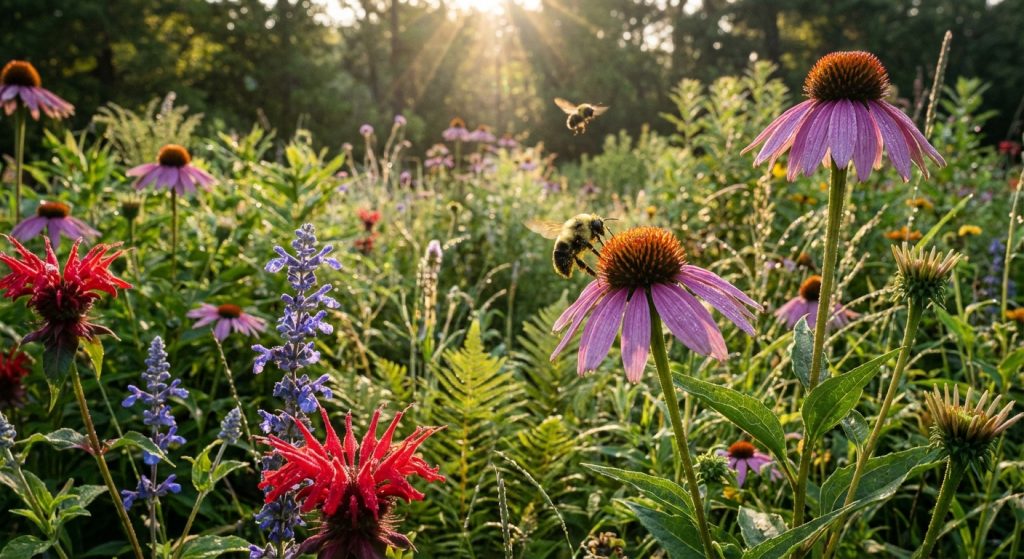
Creating a garden that buzzes with life is incredibly rewarding. Pollinators, like bees, butterflies, and hummingbirds, are vital for our ecosystems. They help plants reproduce. This includes many of the foods we eat. Therefore, designing a pollinator-friendly garden is crucial. A well-planned pollinator garden layout can maximize their visits. It also provides continuous food sources throughout the season. This article will guide you through designing effective pollinator garden layouts.
Why Dedicated Pollinator Gardens Matter
Many traditional gardens offer little for pollinators. They might lack native plants. Or they might use pesticides. Pollinator gardens are different. They are specifically designed to support these essential insects and birds. This means choosing the right plants. It also means providing water and shelter. Furthermore, a diverse planting scheme ensures a variety of food sources. For instance, some plants bloom in spring. Others bloom in summer or fall. This continuous bloom is very important.
A dedicated space for pollinators benefits them immensely. It offers a safe haven. It also provides consistent nectar and pollen. This helps support healthy populations. As a result, your garden becomes a vibrant ecosystem. You can learn more about the symbiotic relationship between pollinators and plants here.
Key Principles for Pollinator Garden Design
Several core principles guide successful pollinator garden layouts. These ensure the garden meets the needs of diverse pollinators. They also make the garden visually appealing and easy to maintain.
1. Plant Selection is Paramount
The most crucial element is choosing the right plants. Prioritize native species. Native plants are best adapted to local conditions. They also provide the most valuable food for native pollinators. For example, bees evolved alongside specific native flowers. They are best equipped to pollinate them.
Consider the following when selecting plants:
- Bloom Time Diversity: Choose plants that bloom at different times. This ensures a food source from early spring to late fall.
- Variety of Flower Shapes and Colors: Different pollinators are attracted to different colors and shapes. Bees often prefer blue, purple, and yellow flowers. Butterflies like bright colors. Hummingbirds are drawn to red and tubular flowers.
- Plant Groupings: Planting flowers in clusters or masses is highly effective. This makes them easier for pollinators to find. It also allows them to forage more efficiently. Larger patches of the same flower type attract more pollinators.
- Avoid Double Blooms: Many ornamental double-bloom varieties offer little nectar or pollen. They can also be difficult for pollinators to access.
2. Provide Water Sources
Pollinators need water, just like any living creature. However, they can drown in deep water. Therefore, provide a safe water source. A shallow dish filled with pebbles or marbles works well. The pebbles create landing spots. Alternatively, a bird bath with a gentle slope can also be used. Keep the water source clean. Refresh it regularly.
3. Offer Shelter and Nesting Sites
Many pollinators need places to rest and nest. Some bees are ground nesters. Others nest in hollow stems. Consider leaving some areas of your garden a bit wild. This might include leaving dead stems standing over winter. It could also mean creating a small patch of bare, undisturbed soil. For butterflies, provide host plants for their caterpillars. For example, milkweed is essential for Monarch butterflies.
Incorporating a variety of plant structures also helps. Tall grasses and shrubs offer protection from wind and predators. These elements are vital for a thriving pollinator habitat.
Popular Pollinator Garden Layout Ideas
The best layout for your pollinator garden depends on your space. It also depends on your preferences. However, several proven designs can help you get started.
Mass Planting for Maximum Impact
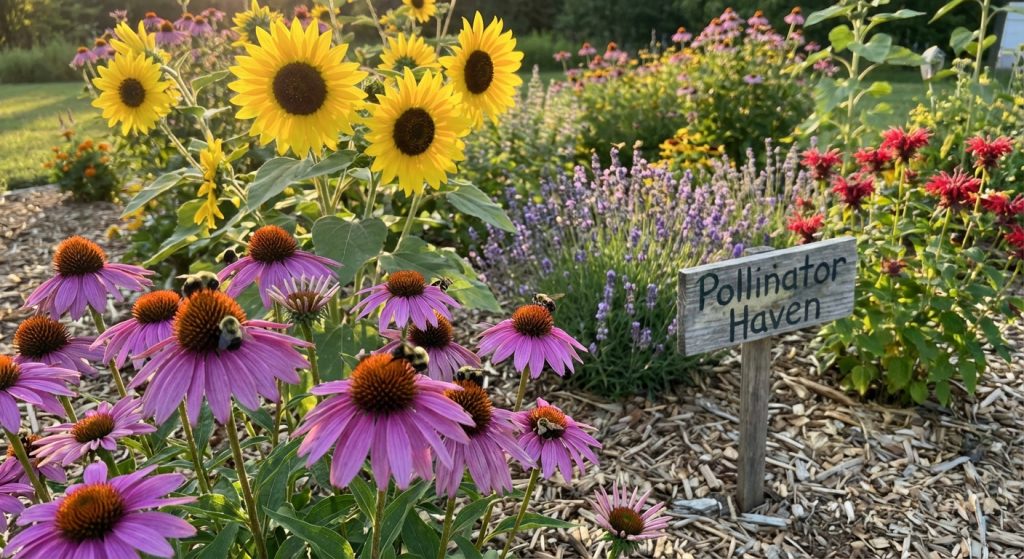
This is perhaps the most effective layout strategy. Mass planting involves grouping several plants of the same species together. Aim for drifts or blocks of at least three to five plants. This creates a strong visual cue for pollinators. It also provides a concentrated food source. For instance, planting a large patch of coneflowers (Echinacea) will attract many bees. Similarly, a block of lavender (Lavandula) is a magnet for various pollinators.
This approach is also aesthetically pleasing. It creates a bold statement in the garden. It simplifies maintenance too. You only need to water and weed one area at a time.
Layered Planting for Three-Dimensional Appeal
Consider planting in layers. This mimics natural ecosystems. It also maximizes the use of vertical space. Start with groundcovers. Then add medium-height perennials. Finally, incorporate taller shrubs or small trees. This layered approach provides different foraging levels. It also offers varied nesting and resting spots.
For example, you might have creeping thyme as a groundcover. Then, asters and salvias as mid-height plants. A butterfly bush (Buddleja) or a native shrub could form the taller layer. This creates a rich, complex habitat. It also adds visual depth to your garden design.
The Wildflower Meadow Approach
A wildflower meadow is a naturalistic layout. It is perfect for larger spaces. It requires minimal mowing. It also provides abundant food for a wide range of pollinators. Meadows are typically composed of a mix of native grasses and wildflowers. They are designed to mimic natural prairie or meadow ecosystems.
Establishing a meadow takes time. However, the result is a beautiful, low-maintenance garden. It supports a rich diversity of insect life. It is important to choose a seed mix appropriate for your region. This ensures success. You can learn more about achieving successful wildflower growth here: Bloom Brilliantly: Your Guide to Wildflower Meadow Growth.
Container Gardens for Small Spaces
Don’t have a large yard? No problem! Pollinator gardens can thrive in containers. Use pots and window boxes on balconies or patios. Choose compact, pollinator-friendly plants. Herbs like mint, thyme, and oregano are excellent choices. They are edible and attractive to bees. Other good options include lavender, salvia, and certain varieties of sunflowers.
Ensure containers have drainage holes. Use a good quality potting mix. Water regularly, as containers dry out quickly. Grouping containers can create a mini-meadow effect.
Designing for Different Pollinators
While many plants benefit multiple pollinators, some layouts can target specific species.
Bee Gardens
Bees appreciate open-faced flowers. They also like clusters of blooms. Good choices include sunflowers, coneflowers, bee balm (Monarda), and asters. Consider planting a single large patch of one or two bee-friendly plants. This makes it easier for bees to forage. Also, remember to leave some bare ground for ground-nesting bees.
Butterfly Gardens
Butterflies need nectar sources. They also need host plants for their larvae. Choose plants with flat-topped flowers. These provide a good landing platform. Examples include butterfly weed (Asclepias tuberosa), blazing star (Liatris), and phlox. Provide a sunny, sheltered spot for butterflies to bask. A shallow dish of moist sand or mud can provide essential minerals.
Hummingbird Gardens
Hummingbirds are attracted to tubular flowers. They also favor bright colors, especially red. Plantations of bee balm, cardinal flower (Lobelia cardinalis), and penstemon are excellent. Consider planting vertically. This allows them to hover and feed easily. Avoid pesticides, as these can harm hummingbirds.
Maintenance for a Thriving Pollinator Garden
Once established, pollinator gardens require less maintenance than traditional gardens. However, some tasks are essential.
- Watering: Water deeply and less frequently. This encourages deeper root growth. Water new plants regularly until established.
- Weeding: Remove weeds regularly. They compete for resources. However, be mindful of beneficial insects. Avoid pulling out every single plant that looks unfamiliar.
- Deadheading: Remove spent blooms from some plants. This can encourage more flowering. However, leave seed heads on others. Many birds feed on seeds. Also, hollow stems provide overwintering habitat for insects.
- Pruning: Prune shrubs and perennials as needed. This keeps them healthy and manageable.
- Pesticide Avoidance: This is critical. Never use pesticides in a pollinator garden. Even organic pesticides can harm beneficial insects. If pests become a problem, try companion planting or organic pest control methods. You can find more on organic pest defense here.
Common Questions About Pollinator Gardens
What is the best time of year to plant a pollinator garden?
The best time to plant depends on your climate. Generally, early spring or fall are ideal. This allows plants to establish roots before extreme weather.
How large does a pollinator garden need to be?
It can be any size! Even a few pots on a balcony can make a difference. Larger gardens offer more resources, but every little bit helps.
Can I include non-native plants?
While native plants are best, some well-behaved non-natives can be included. However, prioritize natives for maximum benefit. Avoid invasive species that can harm local ecosystems.
What about providing a water source for bees?
Yes, a shallow water source is very important. Use pebbles or marbles in a dish. This provides safe landing spots.
How do I attract butterflies specifically?
Plant nectar-rich flowers with flat tops. Also, include their host plants for caterpillars. Sunny, sheltered spots are also appreciated.
Conclusion
Designing a pollinator garden layout is a rewarding endeavor. It supports vital ecosystems. It also brings beauty and life to your outdoor space. By focusing on native plants, providing water and shelter, and choosing thoughtful layouts, you can create a haven. This haven will welcome bees, butterflies, and other beneficial insects. Therefore, start planning your pollinator paradise today. Your garden will thank you for it, and so will the pollinators!