
Coral Reef Health: A Vet’s Role in Marine Disease Treatment
Published on February 3, 2026 by Admin
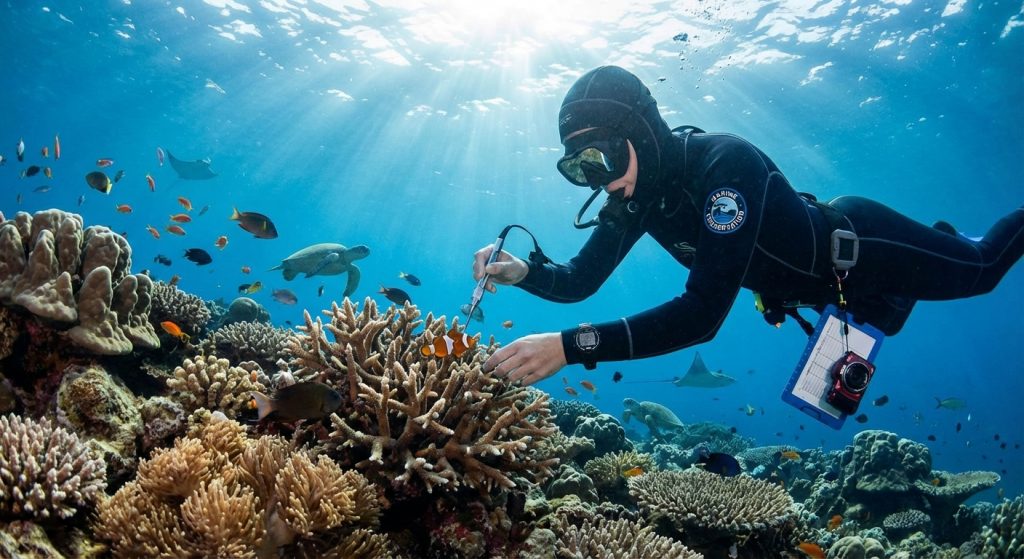
Coral reefs are vital marine ecosystems. They support diverse life. Unfortunately, they face many threats. Disease is a major concern. Veterinarians are increasingly involved. They help protect these fragile environments. This article explores veterinary approaches. It focuses on treating marine diseases.
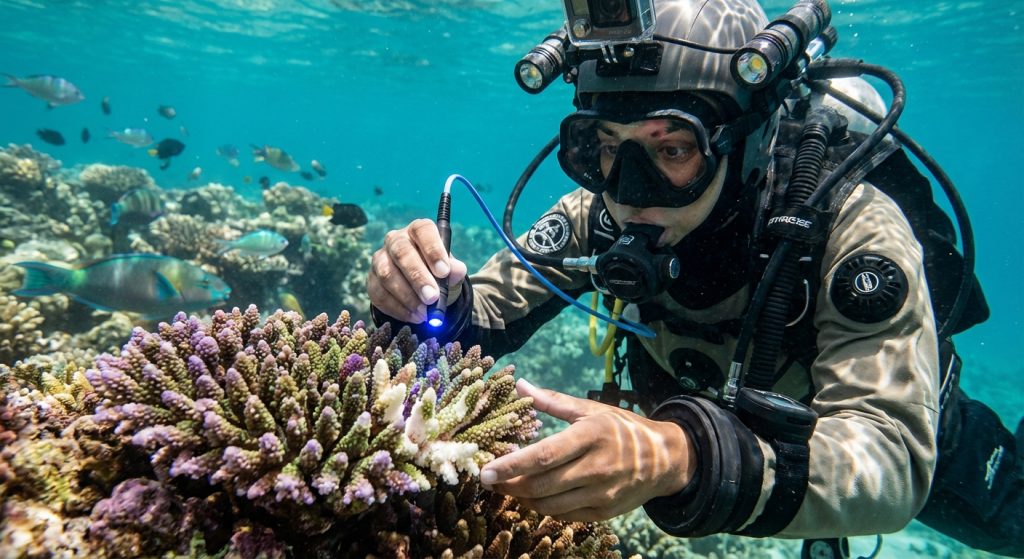
Understanding Coral Diseases
Coral diseases are complex. They can be caused by various factors. These include bacteria, viruses, and fungi. Environmental stressors also play a role. Pollution, warming waters, and ocean acidification weaken corals. This makes them more susceptible. Common diseases include:
- White Band Disease
- Black Band Disease
- Stony Coral Tissue Loss Disease (SCTLD)
- Red Band Disease
- Yellow Band Disease
These diseases manifest differently. They can cause tissue loss. They might lead to bleaching or lesions. Early detection is crucial. It allows for timely intervention. Therefore, understanding disease signs is important.
The Veterinarian’s Expanding Role
Traditionally, veterinary medicine focuses on companion animals and livestock. However, the field is broadening. Marine veterinary science is a growing specialty. Veterinarians bring unique skills. They understand disease diagnosis. They are skilled in treatment protocols. They also have expertise in public health. This multidisciplinary approach is vital. It helps address coral reef health challenges. For example, veterinary telemedicine is emerging. It could aid in remote monitoring of reef health.
Diagnostics and Monitoring
Veterinarians employ advanced diagnostic tools. They can analyze tissue samples. They use molecular techniques. These help identify specific pathogens. Microscopy is also essential. It reveals cellular changes. Monitoring programs are key. They track disease prevalence. They also assess reef health over time. This data informs conservation efforts. For instance, understanding machine learning for pathogen identification can speed up diagnosis.
Treatment Strategies
Treating sick corals is challenging. It often requires direct intervention. Veterinarians develop targeted therapies. These might include:
- Antibiotic administration
- Antifungal treatments
- Topical wound care
- Improving water quality around affected corals
These treatments are often experimental. They require careful observation. Success rates can vary widely. Nonetheless, they offer hope. They can help save critically ill corals. For example, applying specific compounds can combat bacterial infections. This is similar to how veterinarians treat infections in other animals. The goal is to restore coral health.
Preventative Measures and Conservation
Prevention is always better than cure. Veterinarians contribute to reef conservation. They advise on reducing human impact. This includes managing pollution. It also involves mitigating climate change effects. They advocate for sustainable practices. For example, reducing plastic waste helps marine life. Overfishing also damages reefs. Therefore, promoting sustainable fishing is important. Protecting crucial habitats like mangrove swamps is also vital.
Reducing Stressors
Minimizing stressors is paramount. This means controlling nutrient runoff. It also involves managing coastal development. Reducing the impact of tourism is another factor. Anchoring practices can damage corals. Proper mooring systems are essential. Therefore, education plays a big role. Raising awareness among stakeholders is key.
Restoration Efforts
Veterinarians can also assist in restoration. They can help with coral outplanting. This involves growing coral fragments. These are then transplanted onto degraded reefs. This process requires careful planning. It also needs skilled execution. Understanding coral biology is crucial. For example, techniques for coral outplanting and seagrass recovery are vital.
Challenges and Future Directions
Marine veterinary medicine faces unique challenges. The environment is vast and remote. Access to sick corals can be difficult. Developing effective treatments is ongoing. Furthermore, funding for marine conservation is often limited. However, the field is advancing rapidly. Innovations in diagnostic technology are helping. Advances in understanding coral immunology are promising. The future likely involves more collaboration. It will also require interdisciplinary research. This includes working with marine biologists, ecologists, and policymakers.
Technological Advancements
New technologies are transforming marine veterinary care. Drones can monitor reef health remotely. Underwater sensors provide real-time data. AI can analyze vast datasets. This helps in predicting disease outbreaks. For instance, digital epidemiology can track disease spread.
Education and Training
There is a growing need for trained professionals. Veterinary schools are starting to incorporate marine health. Continuing education programs are also important. This ensures veterinarians stay updated. They learn about the latest research. They also gain practical skills. This specialized training is essential. It equips them for this critical work.
Frequently Asked Questions (FAQ)
What is the main role of a veterinarian in coral reef protection?
Veterinarians play a crucial role in diagnosing and treating coral diseases. They also contribute to preventative strategies and conservation efforts. Their expertise in animal health and disease management is transferable to marine ecosystems.
Are there specific drugs used to treat coral diseases?
Treatment protocols are still developing. They often involve antibiotics, antifungals, or topical applications tailored to specific diseases. Research is ongoing to find the most effective and least harmful treatments.
How can the average person help protect coral reefs?
Individuals can help by reducing their carbon footprint. They can also minimize plastic use and avoid harmful sunscreens. Supporting sustainable tourism and responsible seafood choices are also important actions.
What are the biggest threats to coral reefs today?
The biggest threats include climate change (leading to warming waters and ocean acidification), pollution, overfishing, and destructive fishing practices.
Conclusion
Protecting coral reefs is a global imperative. Marine diseases pose a significant threat. Veterinarians are becoming vital allies. Their skills in diagnostics, treatment, and prevention are invaluable. By applying veterinary science to marine ecosystems, we can better understand and combat coral diseases. This collaboration is essential. It offers hope for the future of these vibrant underwater worlds. The dedication of these professionals is key. It helps ensure the survival of these critical habitats.
