
Regenerative Soil Science: The Future of Farming
Published on February 3, 2026 by Admin
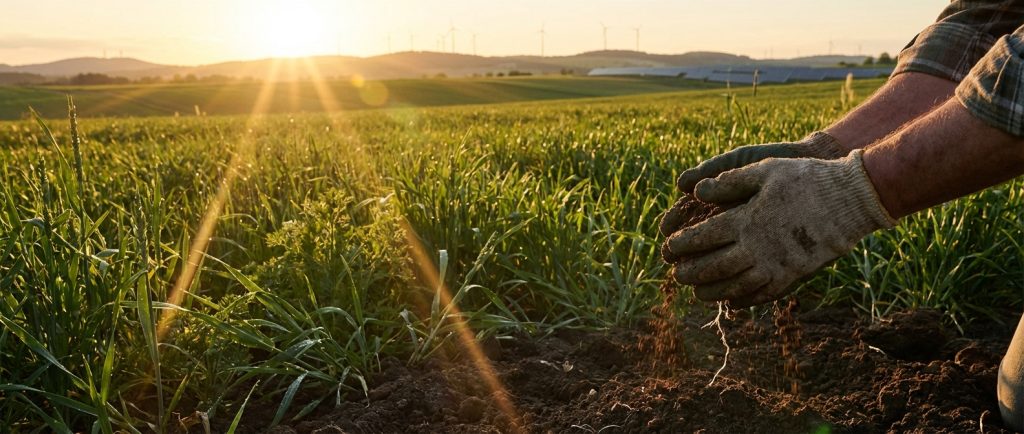
Soil is alive. It is a complex ecosystem teeming with life. This life is crucial for healthy plants. Regenerative soil science focuses on this vital connection. It aims to improve soil health. This, in turn, benefits our entire planet. It’s a shift from conventional farming. It’s about working with nature. Therefore, it offers a path to sustainability.
What is Regenerative Soil Science?
Regenerative soil science is an approach. It focuses on rebuilding soil health. It emphasizes practices that enhance soil organic matter. It also aims to increase biodiversity within the soil. Furthermore, it seeks to improve water infiltration and retention. The goal is to create a soil system that is more resilient. It also aims to sequester carbon. This is a key benefit for climate change mitigation.
Traditional agriculture often depletes soil. It can lead to erosion and loss of fertility. Regenerative practices reverse this trend. They work to restore the soil’s natural functions. This creates a more sustainable food system. It also supports a healthier environment.
Key Principles of Regenerative Soil
Several core principles guide regenerative soil science. These are interconnected. They work together to build healthy soil.
Minimize Soil Disturbance
Firstly, minimizing soil disturbance is vital. This means reducing tillage. Excessive plowing breaks up soil structure. It also harms soil organisms. No-till or reduced-till farming is preferred. This protects the soil’s delicate ecosystem.
Keep Soil Covered
Secondly, keeping the soil covered is essential. This is often done with cover crops or mulch. A covered soil surface protects against erosion. It also helps retain moisture. Furthermore, it suppresses weeds. This reduces the need for herbicides.
Maximize Crop Diversity
Thirdly, maximizing crop diversity is important. Monocultures deplete soil nutrients. Diverse planting systems support a wider range of soil microbes. This enhances nutrient cycling. It also improves pest resistance. For example, incorporating legumes into crop rotations fixes nitrogen in the soil.
Maintain Living Roots
Fourthly, maintaining living roots in the soil year-round is beneficial. Living roots feed soil microbes. They also help improve soil structure. Cover crops provide this continuous root activity. This keeps the soil ecosystem active.
Integrate Livestock
Finally, integrating livestock can be very helpful. Managed grazing can stimulate plant growth. Animal manure adds nutrients back to the soil. It also increases soil organic matter. This creates a closed-loop system.
The Science Behind Healthy Soil
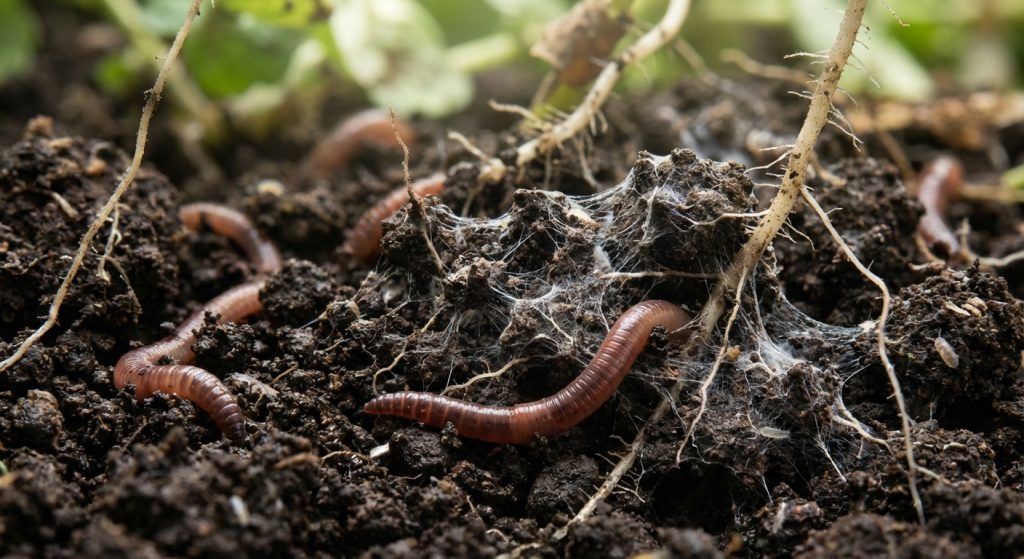
Soil is far more than just dirt. It is a living entity. Millions of microorganisms inhabit every gram of healthy soil. These include bacteria, fungi, nematodes, and protozoa. These organisms are crucial. They break down organic matter. They also make nutrients available to plants. They form complex symbiotic relationships.
Mycorrhizal fungi are particularly important. These fungi form a network with plant roots. This network extends the plant’s reach for water and nutrients. In return, the fungi receive sugars from the plant. This symbiotic relationship is fundamental to plant health. Regenerative practices foster these microbial communities. For instance, avoiding synthetic fertilizers and pesticides supports this delicate balance. You can learn more about the hidden universe beneath your feet.
Soil Organic Matter (SOM)
Soil organic matter is the lifeblood of healthy soil. It is composed of decomposed plant and animal residues. High SOM improves soil structure. It also increases water-holding capacity. Furthermore, it provides essential nutrients for plants. Regenerative agriculture aims to increase SOM. Practices like cover cropping and composting are key.
Soil Structure
Good soil structure means soil particles clump together. This creates pores. These pores allow air and water to move through the soil. Healthy soil structure prevents compaction. It also reduces erosion. Reduced tillage and the presence of organic matter are vital for good structure.
Soil Biodiversity
A diverse soil ecosystem is a resilient ecosystem. Many different types of organisms live in healthy soil. Each plays a role. For example, earthworms aerate the soil. They also improve drainage. Fungi help decompose organic matter. This diversity contributes to nutrient cycling. It also helps suppress plant diseases. Citizen science initiatives are helping us understand this better, as seen in Citizen Science for Healthier Soils.
Benefits of Regenerative Soil Science
The advantages of adopting regenerative soil practices are numerous. They extend beyond the farm gate.
Environmental Benefits
- Carbon Sequestration: Healthy soils store significant amounts of carbon. This helps combat climate change. Regenerative agriculture can turn farms into carbon sinks.
- Improved Water Quality: Healthy soils absorb more water. This reduces runoff into waterways. Less soil erosion means less sediment pollution.
- Increased Biodiversity: Regenerative farms support a wider array of plant and animal life. This includes beneficial insects and pollinators.
- Water Conservation: Soils with high organic matter retain moisture better. This reduces the need for irrigation.
Economic Benefits
- Reduced Input Costs: Farmers can reduce their reliance on synthetic fertilizers and pesticides. This lowers operational expenses.
- Increased Yields Over Time: While initial transition can be challenging, healthy soils lead to more resilient crops. This can result in more stable yields.
- Enhanced Resilience: Regenerative farms are better equipped to handle extreme weather events like droughts and floods.
- New Market Opportunities: Consumers are increasingly seeking sustainably produced food. Regenerative products can command premium prices.
Social Benefits
- Healthier Food: Nutrient-dense food is a direct result of healthy soil. This benefits public health.
- Rural Economic Vitality: Sustainable farming practices can support thriving rural communities.
- Improved Farmer Livelihoods: Reduced costs and increased resilience can lead to better financial stability for farmers.
Implementing Regenerative Practices
Transitioning to regenerative agriculture requires a shift in mindset. It also involves adopting new practices. Farmers often start with one or two key changes. They then build from there. For example, introducing cover crops is a common first step. Gradually reducing tillage is another. Some farmers also experiment with compost application. Others focus on integrating livestock.
It is important to note that these practices are context-specific. What works best can vary by region and farm type. Therefore, careful planning and observation are essential. Many resources are available to support farmers. Local agricultural extension services are a great starting point. Online communities and workshops also offer valuable knowledge sharing.
For those interested in the broader impact, understanding Regenerative Ag: Investing in Earth’s Future can provide further insights into the economic and environmental synergies.
Challenges and the Future
Despite its many benefits, regenerative soil science faces challenges. Initial investment in new equipment might be needed. There can also be a learning curve. Market access for regenerative products is improving but still developing. Policy support can also be inconsistent.
However, the future of regenerative soil science is bright. The scientific understanding of soil ecosystems is growing rapidly. Technology is also playing a role. Precision agriculture tools can help monitor soil health. AI is being used to analyze soil data. The demand for sustainable food is increasing. This is driving innovation and adoption.
Ultimately, regenerative soil science offers a hopeful vision. It is a pathway to a more sustainable and resilient food system. It recognizes the profound connection between healthy soil, healthy food, and a healthy planet.
Frequently Asked Questions (FAQ)
Is regenerative agriculture more expensive than conventional farming?
Initially, there might be some transition costs. However, regenerative practices often lead to reduced input costs over time. This is because farmers rely less on synthetic fertilizers and pesticides. Furthermore, improved soil health can lead to more stable yields, reducing economic risk.
How long does it take to see the benefits of regenerative soil practices?
Benefits can start to appear within a few years. However, significant improvements in soil health, such as increased organic matter and better water infiltration, can take several seasons or even a decade. Patience and consistent application of practices are key.
Can regenerative practices work on any type of soil?
Yes, regenerative principles can be adapted to various soil types. While the specific practices might need adjustment based on soil texture and climate, the core goal of improving soil health remains universal. For instance, sandy soils might benefit from increased organic matter to improve water retention.
What is the role of fungi in regenerative soil science?
Fungi, particularly mycorrhizal fungi, are essential. They form symbiotic relationships with plant roots, enhancing nutrient and water uptake. They also play a critical role in decomposing organic matter and improving soil structure. Regenerative practices actively support and encourage fungal communities.
How does regenerative agriculture help combat climate change?
Healthy soils rich in organic matter act as carbon sinks. They sequester atmospheric carbon dioxide. By adopting practices like cover cropping and reduced tillage, farms can draw down carbon from the atmosphere and store it in the soil. This is a crucial aspect of climate change mitigation.
