
Seaweed Farming: A Blue Economy Investment Frontier
Published on February 3, 2026 by Admin
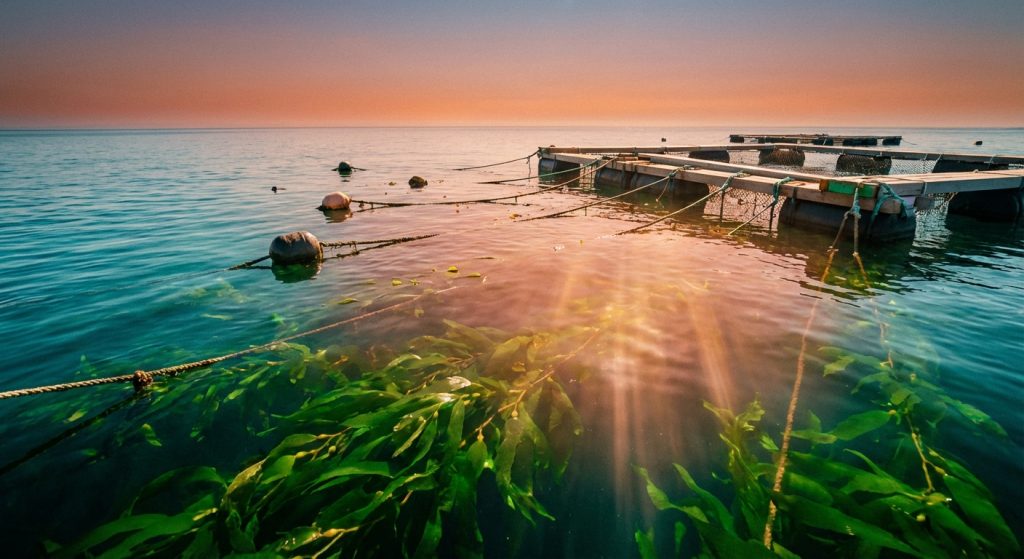
The ocean is vast. It holds immense potential. Seaweed farming is a key part of this. It offers significant opportunities. This is especially true for blue economy investors. The future of seaweed farming is bright. It is a sustainable and profitable venture. Let’s explore why.
The Rising Tide of Seaweed Cultivation
Seaweed is not new. Humans have used it for centuries. Now, it’s experiencing a resurgence. Demand is growing rapidly. This is driven by many factors. Firstly, its versatility is key. Seaweed can be used in many ways. It’s used in food, medicine, cosmetics, and even biofuels. Secondly, environmental concerns are rising. Consumers want sustainable products. Seaweed is a highly sustainable crop. It requires no freshwater. It doesn’t need fertilizers or pesticides. This makes it an eco-friendly choice.
Furthermore, the global seaweed market is expanding. Projections show significant growth. The market is expected to reach billions of dollars. This growth presents a golden opportunity. Investors can tap into this burgeoning sector. They can contribute to a sustainable future. They can also achieve strong financial returns.
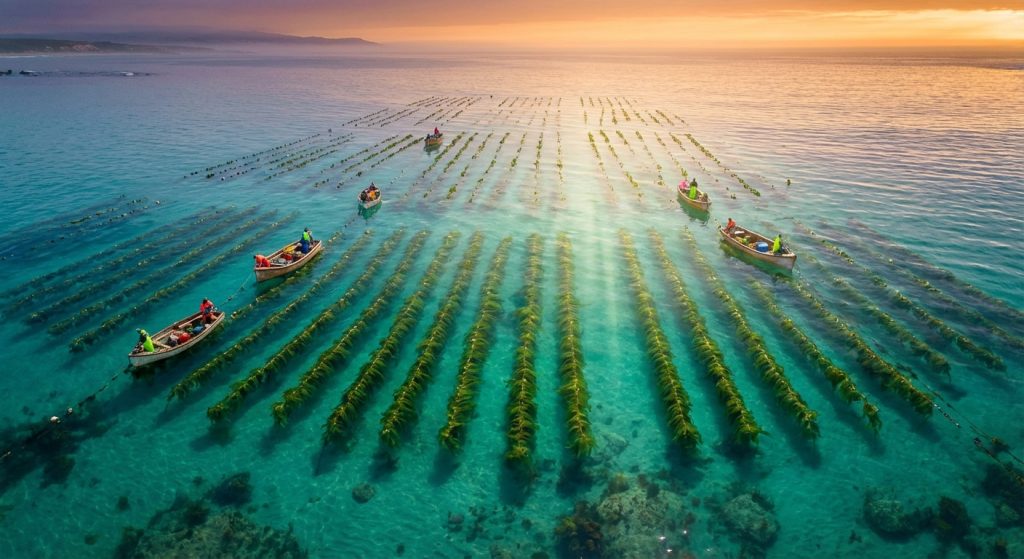
Why Invest in Seaweed Farming? The Key Benefits
Investing in seaweed farming offers numerous advantages. These benefits extend beyond financial gains. They encompass environmental and social impacts too.
Environmental Stewardship
Seaweed cultivation is inherently good for the environment. It acts as a powerful carbon sink. Seaweed absorbs carbon dioxide from the atmosphere. This helps combat climate change. It also helps ocean acidification. By growing seaweed, we can rebalance ocean chemistry. Additionally, seaweed farms create habitats. They provide homes for marine life. This enhances biodiversity. Therefore, it’s a win-win for the planet.
Sustainable Resource Use
Unlike many land-based crops, seaweed farming is highly efficient. It uses vertical space in the ocean. It requires no land. It also needs no freshwater. This is a huge advantage. Many regions face water scarcity. Seaweed farming offers a solution. It also doesn’t need chemical inputs. This avoids water pollution. It’s a truly sustainable agricultural practice. For more on sustainable practices, consider exploring blue economy investment principles.
Economic Opportunities
The economic potential is substantial. Seaweed has a wide range of applications. These create diverse revenue streams. Food products are a major market. Seaweed is rich in nutrients. It’s a healthy food source. It is also used in animal feed. This can reduce reliance on traditional feed sources. Furthermore, seaweed extracts are valuable. They are used in pharmaceuticals and cosmetics. They have anti-inflammatory and antioxidant properties. Finally, seaweed can be converted into biofuels. This offers a renewable energy source. This broad market appeal ensures resilience.
Social Impact and Job Creation
Seaweed farming creates jobs. It supports coastal communities. These communities often face economic challenges. Farming provides new livelihoods. It also empowers women. Many seaweed farms are run by women. This promotes gender equality. It also contributes to food security. It provides a nutritious food source. Therefore, it has a positive social impact.
The Future Outlook for Seaweed Farming
The future of seaweed farming looks very promising. Several trends are driving this growth.
Technological Advancements
Innovation is key. New technologies are improving efficiency. Automated farming systems are emerging. These systems reduce labor costs. They also increase yield. Furthermore, research is ongoing. Scientists are developing new seaweed varieties. These varieties are more resilient. They are also higher yielding. Genetic plant editing is a frontier here. This could revolutionize crop development.
Market Diversification
New uses for seaweed are constantly being discovered. This diversification strengthens the market. For instance, seaweed is being explored for bioplastics. This offers an alternative to petroleum-based plastics. It’s also used in textiles. Plant-based textiles are gaining popularity. Seaweed can be a sustainable source. This continuous innovation opens new markets.
Policy Support and Investment
Governments are recognizing seaweed’s potential. They are creating supportive policies. These policies encourage investment. They also promote sustainable practices. Many countries are investing in research. They are also supporting infrastructure development. This policy backing is crucial. It fosters market growth. Green bond markets are also expanding. This provides capital for sustainable ventures.
Challenges and Considerations for Investors
While the future is bright, challenges exist. Investors should be aware of them.
Environmental Risks
Although generally sustainable, seaweed farming can face risks. Climate change can impact yields. Extreme weather events are a concern. Disease outbreaks can also occur. Careful site selection is vital. Understanding local marine ecosystems is important. For instance, understanding mangrove swamp ecology can highlight the importance of coastal habitats.
Market Volatility and Competition
Like any industry, seaweed farming faces market fluctuations. Prices can vary. Competition is also increasing. New entrants are joining the market. Investors need to conduct thorough market research. They should also diversify their investments. This mitigates risk.
Regulatory Hurdles
Permitting processes can be complex. Regulations vary by region. Navigating these can be challenging. Investors need to understand local laws. They should also engage with regulatory bodies. This ensures compliance.
Getting Started: A Guide for Blue Economy Investors
For those looking to invest, here are some steps:
- Conduct Due Diligence: Research the market thoroughly. Understand the supply chain. Identify key players and potential risks.
- Partner with Experts: Collaborate with experienced seaweed farmers. Work with marine biologists. Seek advice from industry consultants.
- Focus on Sustainability: Prioritize environmentally sound practices. Ensure your investment aligns with blue economy principles.
- Diversify Your Portfolio: Consider investing in different types of seaweed. Explore various end-use markets.
- Engage with Local Communities: Build positive relationships. Ensure your operations benefit local populations.
The Role of Technology and Innovation
Technology is a game-changer for seaweed farming. Innovations are making it more efficient and scalable. For example, advanced monitoring systems can track growth. They can also detect diseases early. Drones and underwater robots help with farm management. These tools optimize operations. They also reduce costs. Furthermore, research into biorefinery concepts is promising. This allows for the extraction of high-value compounds. It turns seaweed into a multi-product resource. This aligns with circular economy principles. Innovations in areas like clean tech infrastructure will further support this sector.
Seaweed Farming and Climate Change Mitigation
Seaweed plays a vital role in climate action. Its ability to sequester carbon is significant. It absorbs CO2 much faster than terrestrial plants. This makes it a valuable tool for carbon offsetting. Furthermore, large-scale seaweed farms can help. They can create “blue carbon” ecosystems. These ecosystems store carbon in marine environments. This offers a natural climate solution. Investing in seaweed farming is thus an investment in climate resilience.
Frequently Asked Questions (FAQ)
What are the main types of seaweed farmed?
The most commonly farmed seaweeds include kelp, nori, dulse, and wakame. Each has different uses and cultivation requirements.
What is the typical return on investment for seaweed farming?
Returns can vary widely. Factors include scale, location, market demand, and operational efficiency. However, the sector shows strong growth potential.
Are there environmental concerns associated with large-scale seaweed farms?
While generally sustainable, large farms can impact local ecosystems if not managed properly. Careful planning and monitoring are essential.
Can seaweed farming be done in colder climates?
Yes, many types of seaweed, particularly kelp, thrive in colder waters. This opens up diverse geographical investment opportunities.
What are the biggest challenges facing the seaweed industry today?
Challenges include market access, technological scaling, regulatory complexities, and managing environmental variability.
Conclusion: A Sustainable Future Rooted in the Ocean
Seaweed farming is more than just an emerging industry. It represents a tangible solution. It addresses environmental challenges. It provides economic opportunities. For blue economy investors, it offers a compelling proposition. It combines profit with purpose. The future is aquatic. Seaweed is at the forefront. Investing now means being part of this sustainable revolution. It’s an investment in our planet’s health. It’s also an investment in a prosperous future.
