Create Your Own Miniature World: Terrarium Setup Guide
Published on February 3, 2026 by Admin
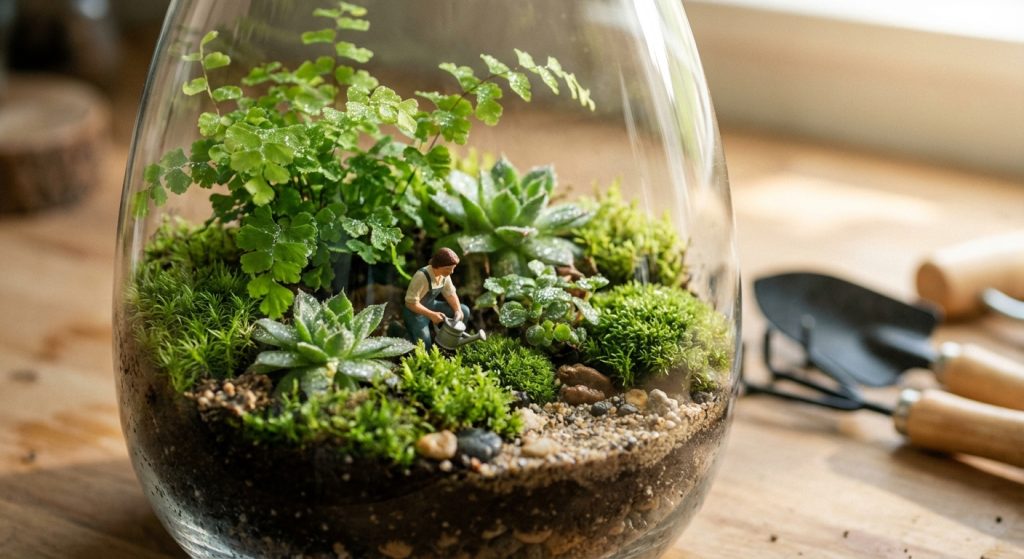
Welcome, creative hobbyists! Are you looking for a unique way to bring nature indoors? Do you dream of cultivating a tiny, self-sustaining world? If so, then setting up a terrarium is the perfect project for you. A terrarium is essentially a miniature garden inside a glass container. It’s a beautiful and fascinating way to observe plant life up close. More importantly, it can become a thriving, balanced ecosystem. This guide will walk you through every step. We will cover everything from choosing your container to maintaining your mini-ecosystem. Let’s begin this exciting journey!
Why Build a Terrarium Ecosystem?
Terrariums offer numerous benefits for both plant enthusiasts and beginners. Firstly, they are incredibly low maintenance once established. This is because they create a humid environment. This humidity helps plants thrive with minimal watering. Secondly, they are visually stunning. A well-designed terrarium can be a captivating piece of living art. It adds a touch of green to any space. Furthermore, building a terrarium is an educational experience. You learn about plant needs and ecological balance firsthand. You get to witness a miniature world function. It’s a truly rewarding hobby.
Moreover, terrariums are versatile. You can create different types to suit various aesthetics and plant choices. From lush, tropical environments to arid desert scenes, the possibilities are vast. This adaptability makes terrarium building a hobby that can evolve with your interests. You can even link it to broader interests like aquatic plant aquascaping or creating vibrant indoor jungles.
Choosing Your Terrarium Container
The container is the foundation of your terrarium. It needs to be clear glass. This allows light to reach your plants. It also lets you see your creation. You have two main options: open or closed terrariums.
Closed Terrariums
Closed terrariums are sealed containers. They mimic a humid, tropical environment. Think of a tiny greenhouse. These are ideal for moisture-loving plants. Examples include ferns, mosses, and some tropical foliage plants. The sealed nature means water evaporates. Then it condenses on the glass. Finally, it drips back down, watering the plants. This creates a self-sustaining water cycle. Therefore, you rarely need to water them.
Open Terrariums
Open terrariums have a wide opening. They do not trap humidity. These are best for plants that prefer drier conditions. Examples include succulents, cacti, and air plants. They require more frequent watering than closed terrariums. However, they are less prone to mold and fungal issues. This is because of better air circulation. You can use anything from jars to fish tanks as open containers.
Essential Terrarium Layers
Building a terrarium involves layering materials. Each layer serves a specific purpose. This ensures proper drainage and aeration. It also provides a healthy environment for your plants’ roots. Let’s break down these crucial layers.
1. Drainage Layer
Firstly, you need a drainage layer at the bottom. This prevents waterlogged soil. Waterlogged soil can kill plant roots. Use small pebbles, gravel, or Leca balls for this layer. Aim for a depth of about 1-2 inches, depending on your container size. This layer allows excess water to collect. It keeps it away from the plant roots.
2. Barrier Layer (Optional but Recommended)
Next, you can add a barrier layer. This is typically a piece of fine mesh or a thin layer of horticultural charcoal. The mesh prevents the soil from mixing with the drainage layer. Charcoal helps to filter the water. It also absorbs odors. This keeps your terrarium fresh. It’s especially useful in closed terrariums.
3. Substrate (Soil Mix)
This is where your plants will grow. The soil mix depends on your chosen plants. For tropical plants in closed terrariums, use a well-draining potting mix. You can add perlite or sand for better aeration. For succulents and cacti in open terrariums, use a specific cactus or succulent mix. This mix is usually sandier and drains very quickly. You can also explore regenerative soil science for insights into creating nutrient-rich, living soil.
4. Activated Charcoal
A thin layer of activated charcoal is highly beneficial. It sits above the soil. This layer helps to purify the air and water within the terrarium. It absorbs toxins and odors. This is particularly important for closed terrariums. It maintains a healthy environment and prevents stagnation.
Selecting Your Terrarium Plants
Choosing the right plants is key to a successful terrarium. Select plants that have similar needs. This means similar light, water, and humidity requirements. For closed terrariums, opt for humidity-loving plants. Consider plants like:
- Ferns: Boston Fern, Maidenhair Fern
- Mosses: Sheet Moss, Mood Moss, Sphagnum Moss
- Foliage Plants: Pilea, Peperomia, Nerve Plant (Fittonia)
- Carnivorous Plants: Venus Flytraps, Pitcher Plants (require specific conditions)
For open terrariums, choose plants that tolerate drier conditions and bright light. Think about:
- Succulents: Echeveria, Sedum, Haworthia
- Cacti: Small varieties like Mammillaria
- Air Plants (Tillandsia): These don’t need soil and can be placed on decorative elements.
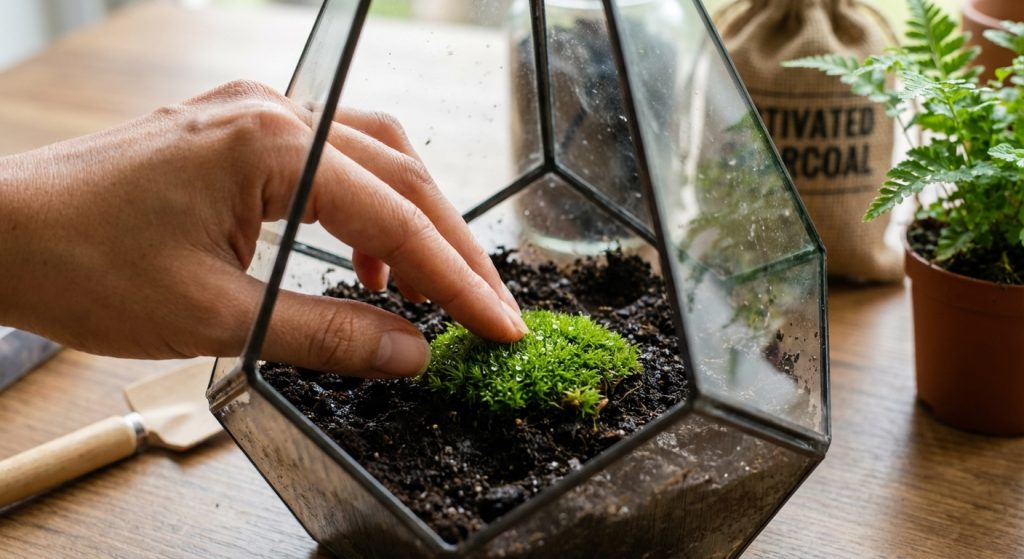
When selecting plants, ensure they are small. They should also be slow-growing. This is to prevent them from outgrowing the container too quickly. Look for healthy specimens. Avoid plants with yellowing leaves or pests. You can also find inspiration in specialized plant guides. For instance, if you’re interested in unique flora, exploring carnivorous plant habitats can offer fascinating ideas.
Decorating Your Terrarium
Once your layers are in place and plants are chosen, it’s time for decoration! This is where your creativity shines. Decorative elements add visual interest. They also enhance the natural aesthetic. Consider adding:
- Stones and Rocks: To create a landscape effect.
- Driftwood or Twigs: For a natural, woodland feel.
- Figurines: Small animal or fairy figurines can add a whimsical touch.
- Sand or Coloured Gravel: To create paths or decorative layers.
Ensure any decorative items are clean. They should not introduce pests or chemicals into your terrarium. Avoid using painted items that might leach toxins. The goal is to complement the plants, not overpower them. A touch of natural beauty goes a long way.
The Setup Process: Step-by-Step
Now, let’s bring it all together. Follow these steps carefully for a successful setup.
Step 1: Clean Your Container
Thoroughly wash and dry your glass container. Any residue can harm your plants or encourage mold. A clean start is essential for a healthy ecosystem.
Step 2: Add the Drainage Layer
Pour your gravel or pebbles into the bottom of the container. Create an even layer of about 1-2 inches. This provides crucial drainage for excess water.
Step 3: Add the Barrier and Charcoal Layers
If using mesh, cut it to fit the container and place it over the drainage layer. Then, add a thin layer of horticultural charcoal. This helps keep the terrarium fresh.
Step 4: Add the Substrate
Gently add your chosen soil mix on top of the charcoal. The depth will depend on your plants’ root systems. Generally, 2-4 inches is sufficient. Create contours if desired for a more natural look.
Step 5: Plant Your Flora
Carefully remove your plants from their nursery pots. Gently loosen any compacted roots. Dig small holes in the soil. Place your plants, ensuring their roots are covered. Space them appropriately to allow for growth. Avoid overcrowding. This can lead to disease. It’s important to consider the mature size of each plant.
Step 6: Decorate
Add your decorative elements. Arrange stones, wood, or figurines to create your desired scene. Be mindful not to damage the plants or their roots during this process. Also, ensure decorations don’t block light from reaching the plants.
Step 7: Water Lightly
For closed terrariums, water very sparingly. Use a spray bottle or a small watering can. You want the soil to be moist, not soggy. For open terrariums, water according to plant needs. Succulents and cacti need much less water. You might only need to water them every few weeks.
Step 8: Seal (for Closed Terrariums)
If you’ve made a closed terrarium, place the lid on. Observe it for the first few days. If you see too much condensation, remove the lid for a few hours. This helps regulate humidity. Too little condensation means you might need to add a tiny bit more water.
Terrarium Care and Maintenance
Once your terrarium is set up, it requires minimal care. However, some attention is still needed.
Light Requirements
Most terrarium plants prefer bright, indirect light. Direct sunlight can overheat the container. It can scorch the plants, especially in closed terrariums. Place your terrarium near a window that receives filtered sunlight. North or east-facing windows are often ideal. Rotate the container occasionally. This ensures all sides of the plants receive light.
Watering
As mentioned, closed terrariums are largely self-watering. You might only need to add water every few months, if at all. Look for signs of dryness. This includes wilting leaves or lack of condensation. Open terrariums require more frequent watering. Check the soil moisture regularly. Water only when the soil feels dry to the touch. Overwatering is a common mistake. It can lead to root rot and fungal diseases. Therefore, it’s always better to underwater slightly than to overwater.
Pruning
Plants will grow. Sometimes they outgrow their space. You may need to prune them periodically. Use clean, sharp scissors or pruning shears. Trim back any leggy stems or overgrown foliage. This helps maintain the terrarium’s aesthetic. It also encourages bushier growth. Remove any dead or yellowing leaves promptly. This prevents disease spread.
Pest and Disease Control
Healthy terrariums are less susceptible to pests and diseases. However, issues can arise. If you spot pests like spider mites or mealybugs, act quickly. You can often remove them manually. Sometimes, a gentle insecticidal soap can be used. Ensure it’s safe for terrarium use. For fungal issues, improve air circulation. Remove affected plant parts. You might also consider using beneficial insects. Learning about organic pest defense can provide helpful strategies.
Troubleshooting Common Terrarium Problems
Even experienced hobbyists encounter issues. Here are some common problems and solutions.
- Excessive Condensation: Open the lid for a few hours to allow excess moisture to evaporate.
- No Condensation: The terrarium is too dry. Add a small amount of water.
- Mold or Fungi: This usually indicates overwatering or poor air circulation. Remove affected areas. Reduce watering. Ensure adequate light.
- Yellowing Leaves: This can be due to overwatering, underwatering, or insufficient light. Assess your watering schedule and light source.
- Leggy Growth: Plants stretching for light indicate insufficient light. Move the terrarium to a brighter location.
Frequently Asked Questions (FAQ)
What is the best type of glass for a terrarium?
Clear glass is essential. It allows light penetration. Avoid tinted or frosted glass. The thickness of the glass isn’t critical unless you’re using a very large container.
Can I put any plants in a terrarium?
No, you must choose plants with similar environmental needs. Mixing plants with different requirements will lead to failure. For example, don’t mix succulents with ferns.
How often should I water a closed terrarium?
Infrequently. Once established, a closed terrarium can go months without watering. Observe the condensation levels and soil moisture. Only water when necessary.
What if my terrarium gets too hot?
Direct sunlight is the main culprit. If your terrarium is in direct sun, move it immediately. Consider placing it in a shadier spot. You might also need to open the lid to cool it down.
Conclusion
Setting up a terrarium ecosystem is a rewarding and creative endeavor. It allows you to cultivate a miniature natural world right in your home. By understanding the importance of each layer, choosing the right plants, and providing proper care, you can create a thriving, beautiful ecosystem. Whether you opt for a humid, closed environment or a dry, open one, your terrarium will bring a touch of nature’s wonder into your life. So gather your materials, unleash your creativity, and start building your own enchanting miniature landscape today!