
De-Extinction: Bringing Back Lost Species – Ethics and Logistics
Published on February 3, 2026 by Admin
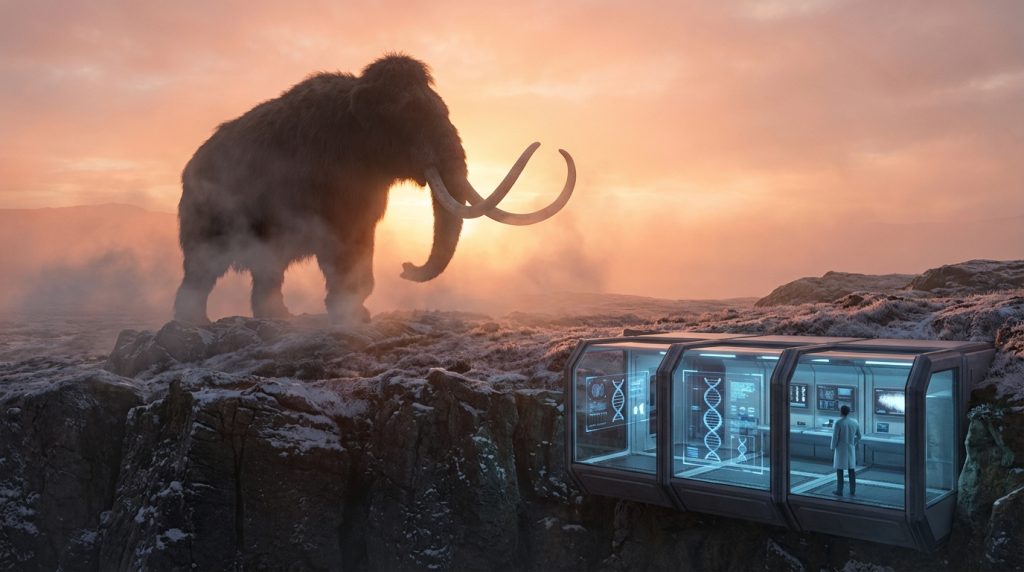
The idea of bringing back extinct species, known as de-extinction, sparks wonder. It conjures images of woolly mammoths and dodos walking the Earth again. However, this futuristic concept is complex. It raises significant ethical questions. It also presents immense logistical challenges. Let’s explore this fascinating frontier.
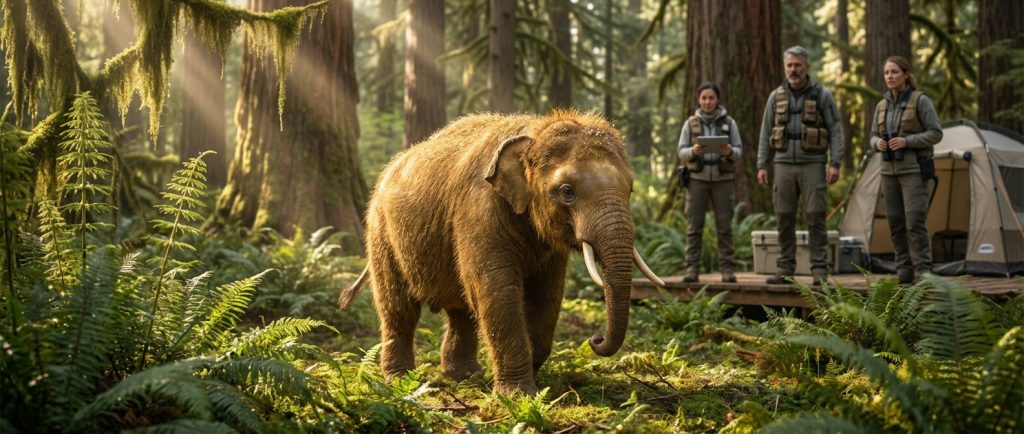
The Allure of De-Extinction
Why pursue de-extinction? There are several compelling reasons. Firstly, it offers a chance to restore lost biodiversity. Many species went extinct due to human actions. Bringing them back could help repair ecological damage. For example, reintroducing certain herbivores might restore ancient ecosystems. This could benefit plant life and other animals.
Furthermore, de-extinction holds scientific promise. It could advance our understanding of genetics. It might also reveal insights into evolutionary processes. Studying extinct animals could answer questions about their biology. It could even shed light on how they adapted to their environments.
Finally, there is a profound ethical consideration. Some argue we have a moral obligation to undo past harms. If we caused an extinction, perhaps we should try to reverse it. This perspective views de-extinction as a form of ecological restitution.
The Scientific Hurdles: Bringing Back the Dead
The path to de-extinction is fraught with scientific obstacles. The most critical is obtaining viable genetic material. DNA degrades over time. Finding well-preserved DNA is essential. Ancient DNA samples are often fragmented. Scientists must piece them together accurately.
Even with intact DNA, several steps are needed. Firstly, scientists must sequence the genome. This means mapping out the entire genetic code. Then, they need to find a suitable surrogate mother. This is often a closely related living species. For example, an elephant could be a surrogate for a mammoth. The process involves embryo creation. This requires advanced reproductive technologies.
Another challenge is creating a viable embryo. It must develop correctly. It needs to be implanted in the surrogate. Finally, the surrogate must carry the pregnancy to term. This is a complex and uncertain process. Success rates are currently very low.
Ethical Quandaries: Is it Right to Play God?
De-extinction raises deep ethical questions. One major concern is the “playing God” argument. Many people feel that humans should not interfere with natural processes so drastically. They believe extinction is a natural part of evolution. Therefore, reversing it is unnatural.
Another ethical dilemma involves animal welfare. Would a de-extincted animal suffer in a changed world? Today’s environments are different from those of the past. The resurrected species might struggle to adapt. They could face new diseases or predators. They might also lack essential social structures or learned behaviors.
Moreover, there’s the question of resource allocation. De-extinction is incredibly expensive. Critics argue that these funds could be better spent on conserving existing endangered species. Protecting current biodiversity might be a more pragmatic and impactful use of resources. The debate about priorities is intense.
Logistical Nightmares: Where Do They Go?
Beyond the scientific and ethical debates, the logistics are daunting. If we successfully de-extinct a species, where would it live? Habitats have changed significantly since these animals last roamed. Many original habitats are gone. They may be developed or degraded. Finding a suitable, safe environment is crucial.
Consider the woolly mammoth. Its original habitat was the mammoth steppe. This ecosystem has largely disappeared. It has been replaced by forests and grasslands. Introducing mammoths into modern environments could have unforeseen consequences. They might compete with existing species for resources.
Furthermore, managing a de-extincted population presents challenges. How would we ensure their survival? We would need to monitor their health. We would need to manage their breeding. We would also need to protect them from threats. This requires long-term commitment and significant resources.
Case Studies and Potential Candidates
Several species are often discussed in de-extinction contexts. The woolly mammoth is a prime example. Its DNA is relatively well-preserved. Closely related living relatives, like elephants, exist. Scientists are actively researching this possibility.
Another candidate is the passenger pigeon. This bird was once incredibly abundant. It went extinct in the early 20th century. Its extinction was rapid and devastating. Bringing it back could be a powerful symbol of recovery. However, its social needs and flocking behavior present unique challenges.
The thylacine, or Tasmanian tiger, is also a popular candidate. This marsupial predator went extinct relatively recently. Preserved specimens exist. Its reintroduction could help restore ecological balance in Tasmania.
The Role of Technology and Innovation
Advancements in technology are making de-extinction seem more feasible. Gene editing tools like CRISPR are revolutionary. They allow scientists to precisely edit DNA. This could help repair damaged genetic material. It might also enable us to introduce specific genes into surrogate species.
Improved DNA sequencing techniques are also vital. They allow for faster and more accurate reconstruction of genomes. Furthermore, artificial intelligence is aiding in analyzing vast amounts of genetic data. This speeds up the research process.
The development of artificial wombs is another area of research. This could bypass the need for surrogate mothers entirely. However, this technology is still in its early stages.
Conservation vs. De-Extinction: A False Dichotomy?
Some argue that de-extinction distracts from current conservation efforts. They believe resources should focus on preventing further extinctions. However, others see these as complementary goals. De-extinction research can inform conservation strategies. It can highlight the importance of genetic diversity.
For instance, studying the genetics of extinct species might reveal vulnerabilities. This knowledge could help protect their living relatives. Moreover, de-extinction projects can raise public awareness about extinction. This can galvanize support for conservation initiatives. The goal is to safeguard biodiversity, whether existing or resurrected.
Conclusion: A Future of Resurrection or Responsibility?
De-extinction is a concept that pushes the boundaries of science and ethics. It offers the tantalizing possibility of undoing past mistakes. It could also unlock new scientific knowledge. However, the ethical and logistical challenges are immense. We must carefully consider the implications before proceeding.
Ultimately, the decision to pursue de-extinction requires careful deliberation. It demands a balance between scientific ambition and ecological responsibility. It is crucial to prioritize the conservation of species currently at risk. Perhaps, as our understanding and capabilities grow, de-extinction can become a tool for ecological restoration. However, for now, it remains a complex and controversial frontier.
Frequently Asked Questions (FAQ)
What is de-extinction?
De-extinction is the process of bringing an extinct species back to life. This is typically done by using genetic material from preserved specimens. Advanced reproductive and genetic technologies are key to this process.
What are the main ethical concerns?
Key ethical concerns include “playing God,” animal welfare issues for the resurrected species, and the allocation of resources that could be used for current conservation efforts.
What are the biggest logistical challenges?
Logistical challenges include obtaining viable DNA, finding suitable surrogate mothers, creating a viable embryo, and finding appropriate habitats for the de-extincted species to live in.
Which species are candidates for de-extinction?
Common candidates include the woolly mammoth, passenger pigeon, and thylacine (Tasmanian tiger). Research is ongoing for many other species.
Is de-extinction a replacement for conservation?
Most experts view de-extinction as a potential complement to, rather than a replacement for, current conservation efforts. Protecting existing species remains a top priority.
