
The Hidden World of Fungi: Forest Ecosystems’ Unsung Heroes
Published on February 3, 2026 by Admin
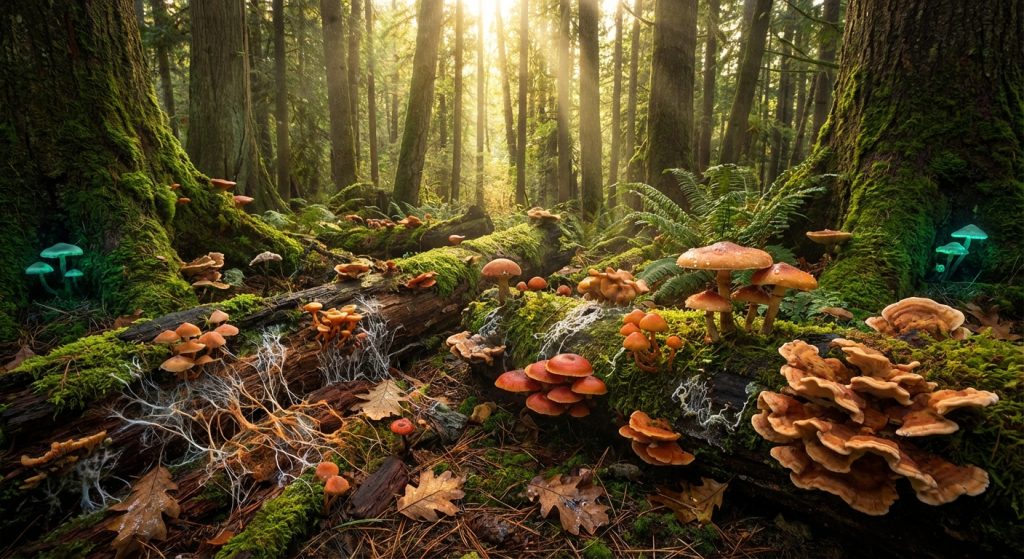
Forests are complex, vibrant ecosystems. Many organisms play vital roles. Trees, plants, and animals are well-known. However, a hidden kingdom is crucial. This kingdom is fungi. They are everywhere in forests. They are often overlooked. Yet, fungi are essential for forest health. They perform many critical functions. Their role is often invisible. But it underpins the entire ecosystem.
More Than Just Mushrooms: The Diversity of Fungi
When we think of fungi, mushrooms often come to mind. But fungi are incredibly diverse. They include yeasts and molds. There are also microscopic fungi. These organisms are found in soil, on dead wood, and even within plants and animals. Their forms are varied. Their functions are equally diverse. Understanding this diversity is key. It highlights their widespread impact.
Decomposers: Nature’s Recycling Team
Firstly, fungi are master decomposers. They break down dead organic matter. This includes fallen leaves, branches, and dead animals. Without fungi, forests would be buried. Dead material would pile up. Nutrients would be locked away. Fungi release these nutrients back into the soil. This process is called nutrient cycling. It is vital for plant growth. Therefore, fungi are essential for forest regeneration.
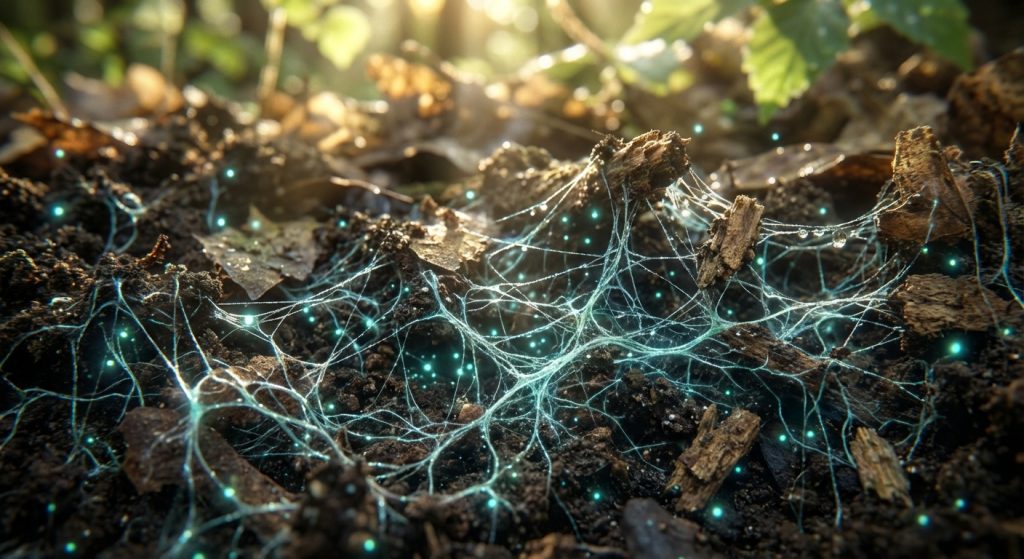
Specifically, fungi secrete enzymes. These enzymes break down complex materials. Lignin and cellulose are tough. Fungi are among the few organisms that can digest them. This recycling is fundamental. It makes nutrients available for new life. It supports the entire food web. This decomposition is a slow, steady process. It ensures the forest ecosystem remains healthy. Moreover, this work is often done in the dark. It happens beneath the forest floor.
Mycorrhizal Networks: The Wood Wide Web
Furthermore, fungi form symbiotic relationships. They partner with plant roots. This partnership is called mycorrhizae. The fungus forms a network around the roots. This network is called a mycelial network. It extends far into the soil. It helps plants absorb water and nutrients. Phosphorus and nitrogen are crucial. Fungi are very good at acquiring these. In return, plants provide sugars to the fungi. These sugars are produced through photosynthesis.
These mycorrhizal networks are extensive. They can connect multiple trees. This creates an underground communication system. It is often called the “Wood Wide Web.” Trees can share resources. They can send warning signals. For instance, a stressed tree might share nutrients. It might also signal danger to neighbors. This interconnectedness is remarkable. It shows how fungi bind the forest together. This is a critical function for forest resilience. It helps younger trees survive. It also aids in communication between different species.
This underground network is complex. It facilitates nutrient exchange. It also allows for the transfer of defense compounds. Therefore, plants can better defend themselves. They can also share resources during times of scarcity. This symbiotic relationship is ancient. It has shaped forest evolution. It is a testament to fungal importance. You can learn more about how plants adapt to their environment in articles on plant adaptation.
Fungi’s Role in Soil Health
Soil is the foundation of any forest. Fungi are key architects of healthy soil. Their decomposition activities are vital. They create humus. Humus is rich organic matter. It improves soil structure. It increases water retention. It also enhances aeration. Good soil structure is essential. It allows roots to grow. It prevents soil erosion.
Moreover, fungal hyphae bind soil particles together. This creates stable soil aggregates. These aggregates are crucial. They protect the soil from wind and water. They also support a diverse community of soil organisms. Earthworms, bacteria, and other microbes thrive in fungal-rich soil. This complex web of life contributes to soil fertility. It ensures the forest can support itself.
Disease Control and Plant Defense
Interestingly, fungi also play a role in plant defense. Some fungi are pathogenic. They can cause diseases in plants. However, many fungi are beneficial. They can protect plants from harmful pathogens. Mycorrhizal fungi can outcompete pathogens. They can also stimulate plant defense responses. This strengthens the plant’s immune system.
Furthermore, some fungi produce antibiotics. These substances can inhibit the growth of disease-causing bacteria. Penicillin, for example, originated from a fungus. This ability to produce antimicrobial compounds is significant. It helps maintain the health of the forest. It prevents widespread disease outbreaks. The study of fungal resistance is ongoing. Innovations in defeating superbugs are crucial. You can explore these innovations in articles about fungal resistance breakthroughs.
Fungi and Forest Biodiversity
The presence of diverse fungi supports overall biodiversity. Different fungal species thrive in different conditions. They colonize different types of decaying matter. They associate with specific plant species. This specialization contributes to the ecosystem’s complexity. A forest with a rich fungal community is often a healthy forest. It can support a wider array of plant and animal life.
For instance, certain insects and animals rely on fungi for food. Mushrooms are a direct food source for many. The decomposition process by fungi also creates habitats. Piles of decaying wood colonized by fungi provide shelter. They offer nesting sites for various creatures. Thus, fungi are integral to the food web. They support life at multiple trophic levels.
The Impact of Human Activities
Unfortunately, human activities can harm fungal communities. Deforestation is a major threat. It removes the habitat and food sources for fungi. Logging practices can damage soil structure. This disrupts fungal networks. Pollution also poses a risk. Acid rain can harm sensitive fungal species. The use of certain pesticides can be toxic to fungi. Climate change is another concern. Altered temperature and moisture patterns can affect fungal growth and distribution.
Furthermore, the introduction of invasive species can disrupt fungal balance. Invasive plants may not support native fungi. They can outcompete native species. This leads to a loss of fungal diversity. Managing invasive species is crucial. It helps protect the natural balance of the ecosystem. Protecting forests is vital for maintaining these fungal communities. This is linked to broader conservation efforts. For example, understanding conservation successes helps us appreciate the importance of preserving all parts of an ecosystem.
Conservation and Future Outlook
Conserving fungal biodiversity is essential. It ensures the continued health of forest ecosystems. Protecting forest habitats is the primary step. Sustainable forestry practices are important. Reducing pollution and mitigating climate change are also critical. Research into fungal roles is ongoing. It continues to reveal their intricate importance.
Understanding fungi helps us appreciate the interconnectedness of nature. They are not just passive organisms. They are active participants. They shape the environment. They support life. The hidden world of fungi is a testament to nature’s complexity. It highlights the delicate balance of forest ecosystems. Therefore, we must protect these vital organisms. Their role is indispensable for the planet’s health.
Frequently Asked Questions
What are the main roles of fungi in a forest?
Fungi primarily act as decomposers, breaking down dead organic matter and recycling nutrients. They also form symbiotic relationships with plants through mycorrhizal networks, helping plants absorb water and nutrients. Additionally, some fungi help plants defend against diseases.
How do mycorrhizal fungi benefit trees?
Mycorrhizal fungi extend the reach of plant roots into the soil. This allows trees to access more water and essential nutrients, particularly phosphorus and nitrogen. In return, the fungi receive sugars produced by the trees through photosynthesis. These networks can also connect multiple trees, facilitating resource sharing and communication.
Can fungi cause harm in a forest?
Yes, some fungi are pathogenic and can cause diseases in plants and animals. However, the vast majority of fungal species play beneficial roles in decomposition and symbiosis. The overall impact of fungi on a forest ecosystem is overwhelmingly positive and essential for its functioning.
How can human activities negatively impact forest fungi?
Human activities like deforestation, soil disturbance, pollution (including acid rain), overuse of pesticides, and climate change can significantly harm fungal communities. These actions can destroy habitats, disrupt nutrient cycles, and directly kill fungal organisms, leading to a loss of biodiversity and ecosystem function.
What is the “Wood Wide Web”?
The “Wood Wide Web” refers to the extensive underground network of mycorrhizal fungi that connects the roots of different trees and plants in a forest. This network allows for the exchange of resources, such as nutrients and water, and can also facilitate communication between plants, enabling them to share information about threats or stress.
