
Plastic’s Shadow: Aquatic Food Webs Under Threat
Published on February 3, 2026 by Admin
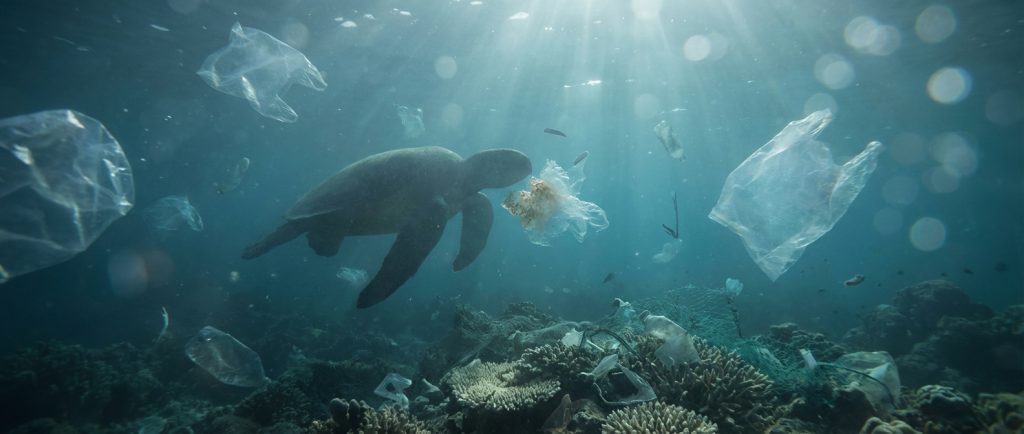
Our oceans are vast and vital. They teem with life, from the smallest plankton to the largest whales. However, a pervasive threat is silently disrupting this delicate balance. This threat is plastic pollution. Plastics are everywhere. They are in our homes and our industries. Sadly, much of this plastic ends up in our oceans. Therefore, this pollution has a profound impact on aquatic food webs. It affects every level, from microscopic organisms to apex predators.
The Invisible Invasion: Microplastics and Plankton
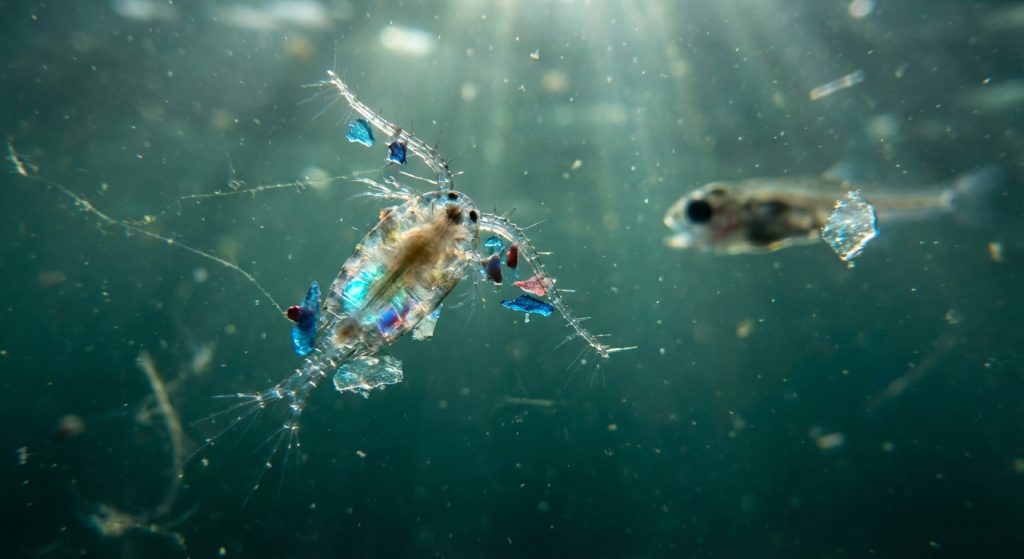
The journey of plastic into the food web often begins with its smallest components: microplastics. These are tiny plastic particles, less than 5 millimeters in size. They originate from the breakdown of larger plastic items. They also come from microbeads in cosmetics and synthetic fibers from clothing. Consequently, these microplastics are ingested by plankton. Plankton are the foundation of most aquatic food webs. They are microscopic organisms that drift in the water. Phytoplankton form the base of the food chain. Zooplankton, which eat phytoplankton, are also vulnerable. When plankton consume microplastics, the plastic enters their bodies. This is a critical entry point for plastic into the food web.
Plankton’s Peril: Ingestion and Starvation
Plankton often mistake microplastics for food. This is because their small size and appearance can be deceptive. Ingesting plastic offers no nutritional value. Therefore, it can lead to a false sense of fullness. This can cause the plankton to eat less real food. As a result, they may starve. This starvation can weaken them. It can also reduce their reproductive success. Furthermore, microplastics can accumulate in their tissues. This accumulation is known as bioaccumulation. This process starts the transfer of plastic up the food chain.
From Small to Large: The Impact on Fish and Invertebrates
As plastic moves up the food web, its impact escalates. Small fish and invertebrates consume plankton. They also ingest microplastics directly. For example, small fish might eat plankton that have already ingested plastic. Or they might consume plastic particles that are floating in the water. Larger invertebrates, like mussels and oysters, filter feed. They inadvertently filter out microplastics along with their food. This means plastic can become concentrated in these organisms. This is a significant concern for organisms that feed on them.
Bioaccumulation and Biomagnification
The process of bioaccumulation continues with larger marine life. When a predator eats prey that has accumulated plastic, the plastic moves to the predator’s body. This is bioaccumulation. When this happens at multiple levels of the food chain, it leads to biomagnification. Biomagnification means that the concentration of plastic increases at each successive trophic level. Therefore, top predators can end up with very high levels of plastic in their systems. This can have severe health consequences.
The Bigger Picture: Seabirds, Marine Mammals, and Whales
Seabirds are particularly susceptible to plastic ingestion. They often scavenge for food at the ocean surface. They can mistake plastic pieces for fish or squid. Ingested plastic can fill their stomachs, leading to starvation. It can also cause internal injuries. Marine mammals, including seals, dolphins, and whales, face similar threats. They can ingest larger plastic items like bags and fishing nets. These can cause entanglement or block their digestive tracts. Whales, the largest animals on Earth, are not immune. They feed on vast quantities of small organisms like krill and plankton. If these organisms contain microplastics, the whales ingest significant amounts. This can lead to reduced health and reproductive issues.
Health Impacts Across the Web
The health impacts of plastic pollution are varied and serious. They include:
- Physical damage to digestive systems.
- Blockages in the gut.
- Internal injuries.
- Reduced nutrient absorption.
- Starvation due to false satiety.
- Endocrine disruption from plastic chemicals.
- Reproductive problems.
- Weakened immune systems.
- Increased susceptibility to disease.
For example, chemicals leaching from plastics can interfere with hormones. This is known as endocrine disruption. This can affect growth, development, and reproduction. Therefore, the problem is not just about the physical presence of plastic. It is also about the toxic chemicals it carries.
The Domino Effect: Ecosystem-Wide Consequences
The impact of plastic pollution extends beyond individual organisms. It affects the entire ecosystem. When the health of foundational species like plankton declines, the entire food web suffers. This can lead to population declines in fish, birds, and mammals. Ultimately, this can destabilize marine ecosystems. For instance, the decline of specific fish populations can impact the predators that rely on them. This creates a ripple effect throughout the ecosystem. Moreover, plastic debris can alter habitats. It can smother coral reefs and seabed environments.
Human Connection: From Ocean to Plate
The plastic pollution problem also connects back to humans. Many of the fish and shellfish we consume are part of these affected food webs. Therefore, we too can ingest microplastics and the associated toxins. While the full health implications for humans are still being studied, the potential risks are concerning. This highlights the interconnectedness of all life on Earth. It emphasizes the need for responsible waste management and reduced plastic consumption. For more on how human actions impact ecosystems, you can explore the sustainable tourism shift, which discusses balancing human activity with environmental preservation.
Solutions and Strategies: Reversing the Tide
Addressing plastic pollution requires a multi-faceted approach. It involves individual actions, industrial changes, and governmental policies. Firstly, reducing our reliance on single-use plastics is crucial. Simple choices like using reusable bags, water bottles, and containers make a difference. Secondly, improving waste management systems globally is essential. This includes better collection, recycling, and disposal methods. Thirdly, innovation in biodegradable and alternative materials is vital. The development of bio-plastics and mycelium materials offers promising alternatives to traditional plastics.
Policy and Innovation: A Path Forward
Governments can play a significant role. Implementing policies that ban certain single-use plastics and promote recycling can be effective. Extended producer responsibility schemes can encourage manufacturers to take more ownership of their products’ lifecycle. Furthermore, investing in research and development for plastic alternatives and cleanup technologies is important. For example, technologies that can remove plastic from the ocean are being developed. However, prevention remains the most effective strategy. Ultimately, a global commitment to reducing plastic production and improving waste management is necessary. This will help protect our aquatic food webs for future generations. Understanding the broader ecological impacts is also key. For instance, learning about the One Health approach, which links animal, human, and environmental health, can provide a more holistic perspective on these issues.
Frequently Asked Questions
What are microplastics and why are they harmful to aquatic life?
Microplastics are tiny plastic particles. They are less than 5 millimeters in size. Aquatic animals, especially plankton, mistake them for food. This can lead to starvation, internal injuries, and the accumulation of toxic chemicals.
How does plastic move up the aquatic food web?
Plastic enters the food web when small organisms like plankton ingest microplastics. These organisms are then eaten by larger ones, and so on. This process, called biomagnification, leads to higher concentrations of plastic in top predators.
Are whales affected by plastic pollution?
Yes, whales are affected. They consume large quantities of plankton and krill. If these organisms contain microplastics, whales ingest significant amounts. This can impact their health and reproduction.
What can individuals do to help reduce plastic pollution in oceans?
Individuals can reduce their use of single-use plastics. They can opt for reusable alternatives. They can also participate in local clean-up initiatives and support policies aimed at reducing plastic waste.
Are there alternatives to traditional plastics?
Yes, researchers and industries are developing alternatives. These include biodegradable plastics made from plant-based materials and materials derived from mycelium. These innovations aim to reduce the environmental persistence of plastic waste.
