
Preventive Care: The Cornerstone of Livestock Health
Published on February 3, 2026 by Admin
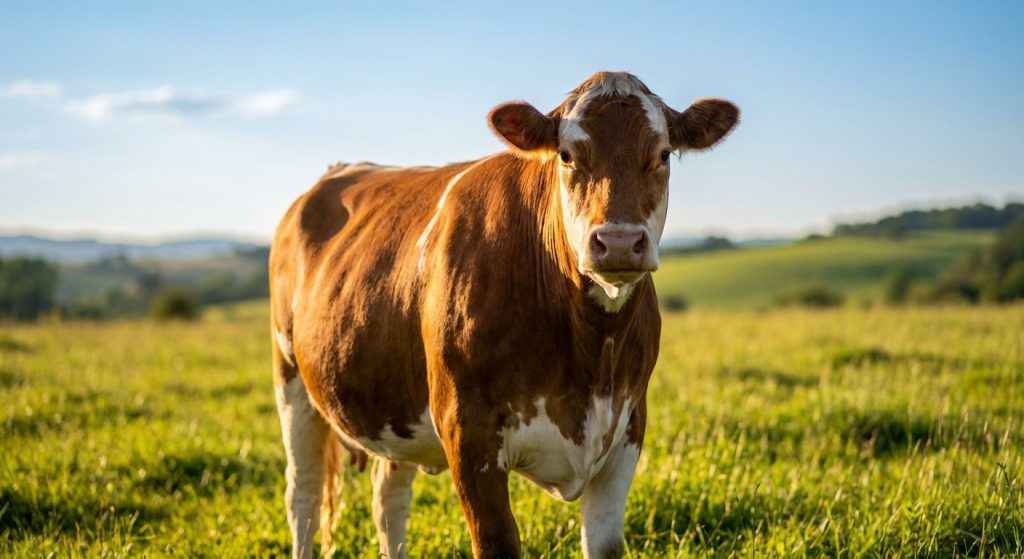
Ensuring the health and productivity of livestock is paramount for any agricultural operation. While treating sick animals is necessary, a proactive approach through preventive care protocols offers significant advantages. Therefore, implementing robust preventive measures is not just good practice; it’s a critical strategy for sustained success. This article explores the importance of these protocols.
Preventive care focuses on anticipating and averting health issues before they arise. It is far more cost-effective than treating widespread disease outbreaks. Moreover, it ensures animal welfare and maintains the quality of animal products. Consequently, a strong emphasis on prevention benefits both the animals and the farm’s bottom line.
Why is Preventive Care Essential for Livestock?
Livestock are susceptible to a wide range of diseases. These can be caused by bacteria, viruses, parasites, and environmental stressors. Without proper preventive measures, these diseases can spread rapidly. This can lead to significant economic losses due to reduced productivity, increased mortality, and treatment costs.
Furthermore, sick animals produce lower-quality products. For example, milk production may decrease, or meat quality can be affected. Preventive care protocols help maintain optimal health, ensuring consistent and high-quality output. This directly impacts marketability and profitability.
Animal welfare is another crucial aspect. Animals that are healthy and free from disease experience less stress and discomfort. Implementing preventive strategies demonstrates a commitment to ethical animal husbandry. This is increasingly important for consumers and regulatory bodies alike.
Key Components of Preventive Care Protocols
A comprehensive preventive care program involves several key elements. Each component plays a vital role in maintaining herd health. Therefore, integrating these practices creates a strong defense against disease.
1. Biosecurity Measures
Biosecurity is the foundation of disease prevention. It involves implementing measures to prevent the introduction and spread of diseases onto the farm. This includes controlling access for people and vehicles. It also involves proper waste management and quarantine procedures for new animals.
- Farm Access Control: Limiting visitors and ensuring they follow strict hygiene protocols.
- New Animal Quarantine: Isolating new animals for a period to monitor for signs of illness.
- Sanitation: Maintaining clean living environments, water sources, and feeding equipment.
- Pest Control: Managing rodents, insects, and wild birds that can carry diseases.
Effective biosecurity dramatically reduces the risk of disease introduction. For instance, controlling potential disease vectors is a critical step.
2. Vaccination Programs
Vaccinations are a cornerstone of preventive medicine. They stimulate the animal’s immune system to fight off specific diseases. A well-designed vaccination schedule is tailored to the farm’s specific risks and the prevalence of diseases in the region.
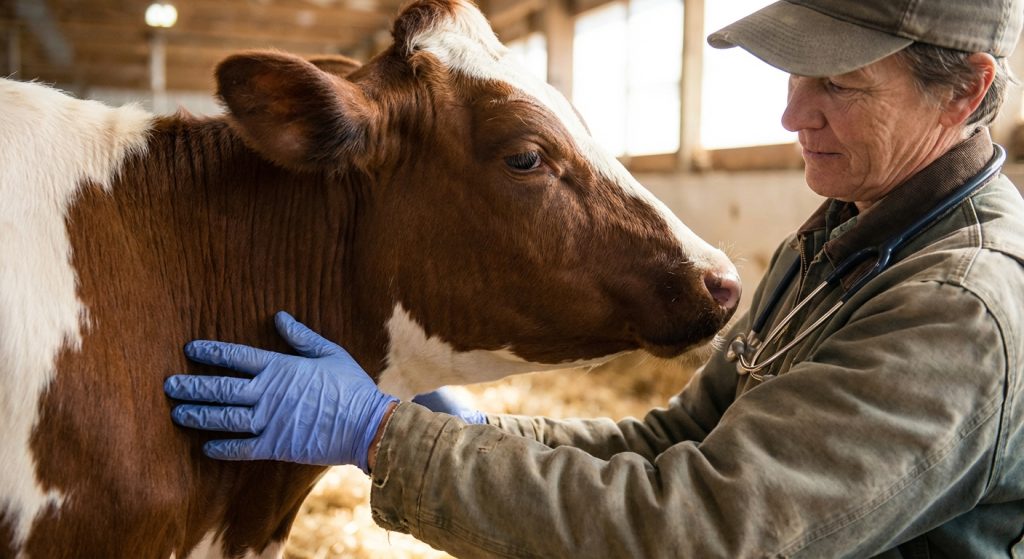
Veterinarians are essential in developing these programs. They can advise on the most effective vaccines and the optimal timing for administration. Therefore, consulting with a vet is crucial for a successful vaccination strategy.
3. Parasite Control
Internal and external parasites can weaken livestock, reduce growth rates, and transmit diseases. Regular monitoring and strategic deworming and pest control are essential.
This includes both chemical treatments and environmental management. For example, managing pasture rotation can help break parasite life cycles. This proactive approach prevents infestations from becoming severe.
4. Nutrition Management
Proper nutrition is vital for a strong immune system. Animals that receive a balanced diet are better equipped to resist diseases. This means providing the right mix of proteins, carbohydrates, fats, vitamins, and minerals.
Nutritional needs vary by species, age, and production stage. Therefore, diets should be formulated accordingly. Consulting with a nutritionist can help optimize feed formulations. This ensures animals receive the precise nutrients they require.
5. Environmental Management
The living environment significantly impacts animal health. Clean, dry, and well-ventilated housing reduces stress and exposure to pathogens. Overcrowding should be avoided, as it can promote disease transmission.
Adequate access to clean water is also non-negotiable. Water is essential for all bodily functions and disease resistance. Therefore, ensuring a constant supply of fresh water is a fundamental preventive measure.
6. Regular Health Monitoring and Record Keeping
Constant observation of animal behavior and physical condition is key. Early detection of subtle signs of illness allows for prompt intervention. This can prevent minor issues from becoming major problems.
Detailed record-keeping is also critical. This includes tracking vaccinations, treatments, births, deaths, and production data. Such records help identify trends, assess the effectiveness of protocols, and make informed management decisions. For example, a sudden increase in a specific symptom might indicate a new challenge. This data can be invaluable for making informed decisions about herd health, similar to how wearable data provides health insights in humans.
Benefits of Proactive Livestock Health Management
The advantages of prioritizing preventive care are numerous and far-reaching. They extend beyond just avoiding illness.
Economic Advantages
Firstly, preventive care is more economical in the long run. The cost of vaccines, dewormers, and good management practices is typically lower than the cost of treating sick animals and dealing with production losses. Reduced mortality rates and improved growth efficiency directly boost profitability. Therefore, investing in prevention yields a significant return.
Improved Animal Welfare
Secondly, healthy animals are happy animals. Preventive measures minimize suffering caused by disease and parasites. This leads to improved animal welfare, which is both an ethical imperative and a marker of good stewardship. Animals that are comfortable and healthy are also more productive.
Enhanced Product Quality and Safety
Furthermore, healthier livestock produce higher-quality products. This applies to meat, milk, eggs, and other animal-derived goods. Preventive care also reduces the need for antibiotics, which can lead to concerns about residues in food products. This ensures consumer confidence and market access. For instance, minimizing antibiotic use is a growing global concern, and livestock antibiotic reduction is a key strategy.
Increased Farm Sustainability
Finally, sustainable farming practices include robust animal health management. By preventing disease and reducing reliance on treatments, farms can operate more sustainably. This aligns with consumer demand for ethically produced food and contributes to the long-term viability of the agricultural sector.
Challenges in Implementing Preventive Care
Despite the clear benefits, implementing effective preventive care protocols can present challenges.
Resource Constraints
Some farms, particularly smaller operations, may face limitations in terms of financial resources, labor, and access to veterinary expertise. This can make it difficult to invest in comprehensive biosecurity, vaccination programs, and advanced monitoring systems.
Knowledge Gaps and Training
A lack of awareness or understanding of best practices can also be a barrier. Continuous education and training for farm staff are essential. This ensures that protocols are understood and implemented correctly. For example, proper administration of vaccines requires specific knowledge.
Resistance to Change
Some farmers may be accustomed to traditional reactive approaches. Shifting to a proactive, preventive mindset requires a change in philosophy and practice. Overcoming this resistance often involves demonstrating the long-term economic and welfare benefits.
The Role of Technology in Preventive Care
Technology is increasingly playing a role in enhancing livestock health management. Innovations offer new ways to monitor animals and detect issues early.
Monitoring Systems
Remote monitoring systems, such as sensors and cameras, can track animal activity, temperature, and other vital signs. This allows for early detection of anomalies. For instance, changes in feeding patterns can indicate illness. These systems can provide valuable data, much like how wearable data helps track human health.
Data Analytics
The vast amounts of data collected from monitoring systems can be analyzed using AI and machine learning. This helps identify patterns and predict potential health risks. Such insights enable more targeted and effective preventive interventions.
Precision Livestock Farming
This approach uses technology to manage individual animals or small groups more precisely. It allows for tailored feeding, health interventions, and environmental controls. Precision farming maximizes efficiency and health outcomes.
Frequently Asked Questions
What is the most important aspect of preventive care for livestock?
While all aspects are important, biosecurity is often considered the most critical. It prevents diseases from entering the farm in the first place, which is the first line of defense.
How often should livestock be vaccinated?
Vaccination schedules vary depending on the animal species, age, health status, and the specific diseases prevalent in the area. Consulting with a veterinarian is essential to determine the appropriate schedule.
Can preventive care completely eliminate disease on a farm?
While preventive care significantly reduces the risk and impact of diseases, it cannot guarantee complete elimination. However, it creates a resilient system that can better withstand disease challenges.
What is the role of nutrition in preventing livestock diseases?
Proper nutrition is fundamental for a robust immune system. Well-nourished animals are more capable of fighting off infections and recovering from illness. A balanced diet provides the building blocks for healthy immune cells and overall well-being.
Conclusion
In conclusion, preventive care protocols are indispensable for modern livestock management. They represent a strategic investment in animal health, welfare, and farm profitability. By implementing comprehensive biosecurity, vaccination, parasite control, nutrition, and environmental management strategies, farmers can build healthier, more productive herds.
Embracing technology and continuous learning further strengthens these efforts. Ultimately, a proactive approach to livestock health not only ensures the success of individual farms but also contributes to a more sustainable and responsible agricultural future. Therefore, prioritizing prevention is a clear path to a healthier, more prosperous livestock operation.
