
The Science of Hibernation: Metabolic Shutdown in Mammals
Published on February 3, 2026 by Admin
What is Hibernation?
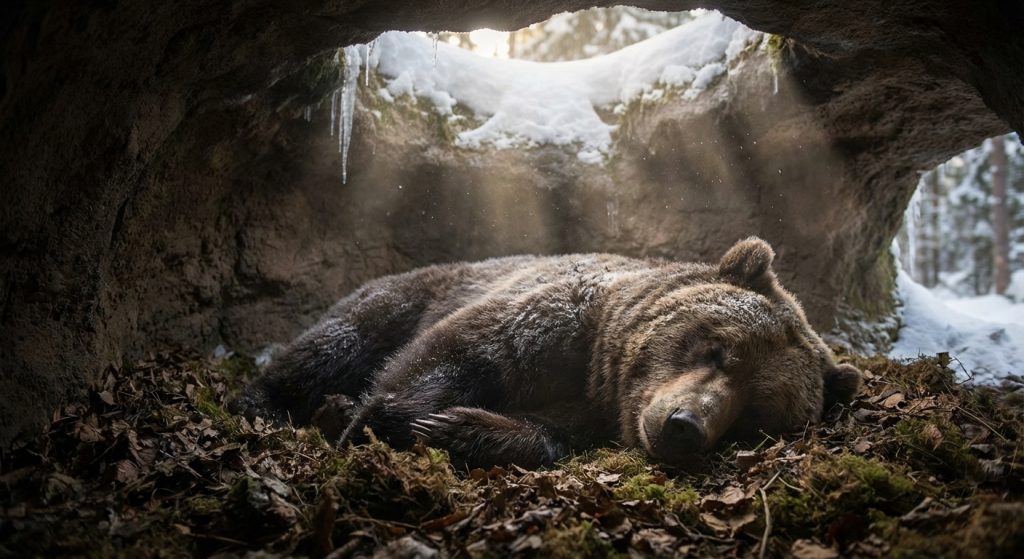
Hibernation is not just deep sleep. It is a controlled state of inactivity. Animals enter hibernation to conserve energy. This is especially important during winter. Food becomes scarce then. Temperatures also drop significantly. Hibernation allows animals to survive these challenging periods. It is a vital adaptation for many species.
The Physiological Changes During Hibernation
Several physiological changes occur during hibernation. These changes are crucial for survival. They allow the animal to endure long periods without food.
Metabolic Rate Reduction
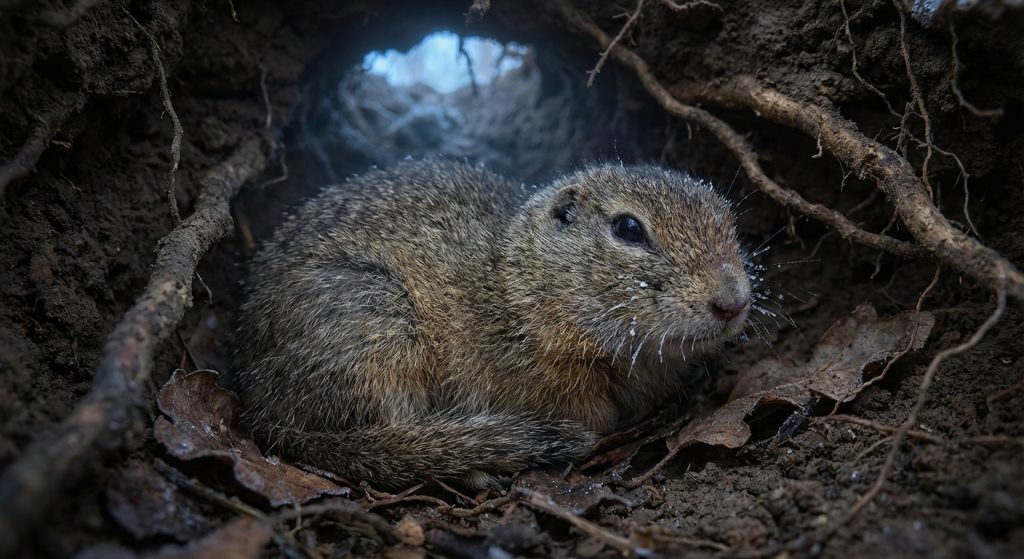
The most significant change is a drastic reduction in metabolic rate. This means the body uses much less energy. The heart rate slows down. Breathing becomes very shallow and infrequent. Body temperature drops dramatically. For example, a ground squirrel’s heart rate can fall from 300 beats per minute to just 5. This is an incredible slowdown.
Body Temperature Regulation
Body temperature also plummets. It can approach the ambient temperature. However, it rarely drops below freezing. This is because of sophisticated physiological mechanisms. The animal can generate heat when necessary. This prevents it from freezing. It also allows for periodic arousal.
Changes in Gene Expression
Recent research shows changes in gene expression. These changes are linked to metabolic regulation. They also affect cellular repair and stress response. This suggests a complex genetic control over hibernation.
Why Do Mammals Hibernate?
Hibernation serves several key purposes. Understanding these reasons helps us appreciate its evolutionary significance.
Energy Conservation
The primary goal is energy conservation. By lowering their metabolism, hibernators need very little food. This is essential when food sources are scarce. Therefore, they can survive lean months.
Survival Through Harsh Conditions
Hibernation helps animals survive extreme weather. This includes cold temperatures and lack of water. It is a strategy for enduring periods of environmental stress.
Reproduction and Growth
Some animals use hibernation to time their reproduction. They emerge when conditions are favorable. This ensures that their young have a better chance of survival. For instance, bears hibernate to give birth. They then nurse their cubs.
Mechanisms of Metabolic Shutdown
Achieving such a profound metabolic slowdown is complex. It involves intricate biological processes.
Hormonal Control
Hormones play a critical role. Melatonin levels are important. They help signal the onset of hibernation. Thyroid hormones also change. They are often suppressed. This contributes to the lowered metabolic rate.
Brown Adipose Tissue (BAT)
Brown adipose tissue is vital. It is a special type of fat. It can generate heat. This is crucial for arousal from hibernation. It helps rewarm the body. This process is called non-shivering thermogenesis. You can learn more about how the body generates heat in our article on cold thermogenesis.
Cellular Adaptations
Cells also adapt. They become more resistant to damage. This is important because of low temperatures and reduced blood flow. Antioxidant systems are enhanced. This protects cells from oxidative stress.
Arousal from Hibernation
Emerging from hibernation is also a critical process. It requires significant energy. The animal must gradually increase its body temperature. Its heart rate and breathing rate return to normal. This process is an active one. It is not a passive waking up.
Periodic Arousals
Most hibernators do not sleep continuously. They experience periodic arousals. These are short periods when they return to near-normal body temperature. The reasons for these arousals are still debated. They might be for immune system maintenance or waste elimination.
Energy Cost of Arousal
Arousals consume a large amount of energy. This is why they are not frequent. The animal must have sufficient fat reserves. These reserves fuel the warming process.
Examples of Hibernating Mammals
Many different mammals hibernate. Each species has unique adaptations.
- Ground Squirrels: These are classic hibernators. They can spend many months in their dens.
- Bats: Many bat species hibernate. They often do so in large colonies.
- Bears: While often called hibernators, bears exhibit a different state called torpor. Their body temperature doesn’t drop as dramatically. They can also give birth during this period.
- Hedgehogs: These small mammals undergo deep hibernation. They curl into a ball for protection.
- Woodchucks: Also known as groundhogs, they are well-known hibernators.
Hibernation vs. Torpor vs. Estivation
It’s important to distinguish hibernation from similar states.
- Torpor: This is a state of decreased physiological activity. It is often shorter-term than hibernation. It can occur daily or for a few days. Many small mammals and birds enter daily torpor.
- Estivation: This is a state of dormancy. It occurs during hot or dry periods. It is essentially summer hibernation. Lungfish and some amphibians estivate.
Hibernation is a prolonged, seasonal form of torpor.
The Benefits of Studying Hibernation
Understanding hibernation has significant implications. It can inform human health and technology.
Medical Applications
Studying hibernation can help us understand metabolic diseases. It might lead to new treatments for conditions like diabetes. It could also help with organ preservation. For example, understanding how hibernators protect their brains could be useful. This is related to how the brain cleans itself during sleep, a topic explored in our article on the glymphatic system.
Space Travel
Hibernation could be a key to long-duration space travel. Inducing a hibernation-like state in astronauts could reduce resource needs. It could also mitigate the effects of prolonged spaceflight.
Conservation Efforts
Studying hibernation helps us protect endangered species. Understanding their survival strategies is vital. It can inform habitat management and conservation plans.
Challenges and Future Research
Despite advances, much remains unknown about hibernation. Researchers are still exploring its complexities.
- Genetic Regulation: Identifying all the genes involved is an ongoing effort.
- Cellular Protection: Understanding the precise mechanisms that protect cells is crucial.
- Arousal Triggers: Pinpointing the exact signals for waking up is a key area of research.
- Human Application: Translating these findings into practical human applications requires more study.
Conclusion
Hibernation is a testament to nature’s ingenuity. It showcases the remarkable ability of mammals to adapt. Metabolic shutdown allows them to survive extreme conditions. The science behind it is complex. It involves intricate hormonal, cellular, and genetic processes. As we continue to study hibernation, we unlock potential benefits for human health and technology. It is truly a marvel of the natural world.
Frequently Asked Questions
Is hibernation the same as sleeping?
No, hibernation is much more than just sleeping. It is a state of deep inactivity where an animal’s metabolic rate, heart rate, breathing, and body temperature are significantly lowered to conserve energy.
How do animals wake up from hibernation?
Waking up from hibernation is an active and energy-intensive process. Animals use stored body fat to generate heat and gradually raise their body temperature, heart rate, and breathing back to normal levels. This often involves periodic arousals even during the hibernation period.
Can humans hibernate?
Currently, humans cannot naturally hibernate. However, scientists are researching the biological mechanisms of hibernation to potentially induce a similar state for medical purposes, such as in long-duration space travel or for organ preservation.
What is the difference between hibernation and torpor?
Hibernation is a prolonged, seasonal state of dormancy, typically occurring in winter. Torpor is a shorter-term state of reduced metabolic activity that can occur daily or for a few days, often in response to cold or lack of food.
Why is brown adipose tissue (BAT) important for hibernators?
Brown adipose tissue is crucial because it can generate heat through a process called non-shivering thermogenesis. This is vital for warming the body during periodic arousals from hibernation, preventing the animal from freezing.
