Urban Trees: Cities’ Green Infrastructure Powerhouses
Published on February 3, 2026 by Admin
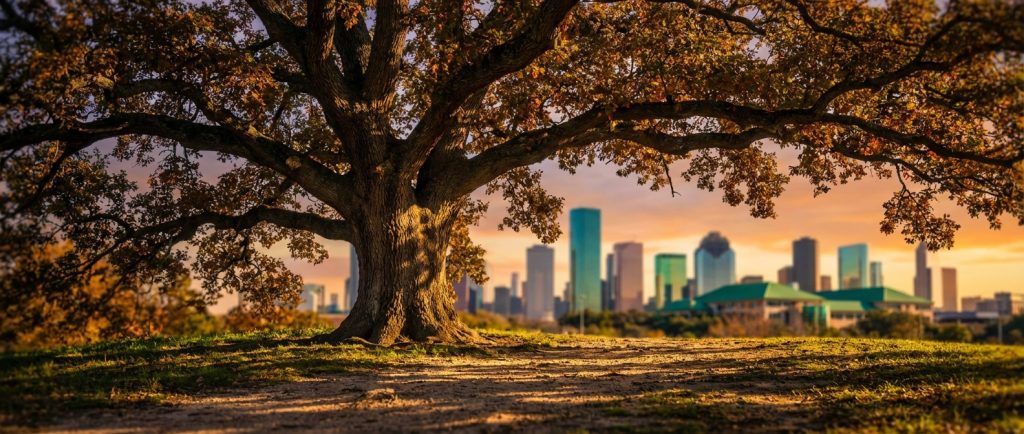
Urban trees are more than just decorative elements. They are vital components of our cities. Their benefits extend to environmental health, public well-being, and economic vitality. Therefore, understanding and investing in urban tree canopy is crucial for city policy makers. This article explores the multifaceted advantages of urban trees.
Environmental Guardianship
Urban trees play a significant role in mitigating environmental challenges. They actively improve air quality. Trees absorb pollutants like ozone, carbon monoxide, and sulfur dioxide. They also capture particulate matter. This process helps reduce respiratory illnesses. Furthermore, trees release oxygen. This is essential for life in urban environments.
Climate change is a pressing concern. Urban trees help combat its effects. They sequester carbon dioxide. This is a primary greenhouse gas. Trees store carbon in their wood and soil. This process is known as carbon sequestration. It directly contributes to reducing atmospheric carbon levels. For example, a mature tree can absorb significant amounts of CO2 over its lifetime. This highlights their role in climate mitigation efforts. You can learn more about carbon capture technologies and their potential impact.
Trees also combat the urban heat island effect. Cities are often hotter than surrounding rural areas. This is due to concrete and asphalt absorbing heat. Trees provide shade. Their leaves also cool the air through evapotranspiration. This is a process where water is released from leaves. It cools the surrounding air. As a result, this effect can lower ambient temperatures significantly.
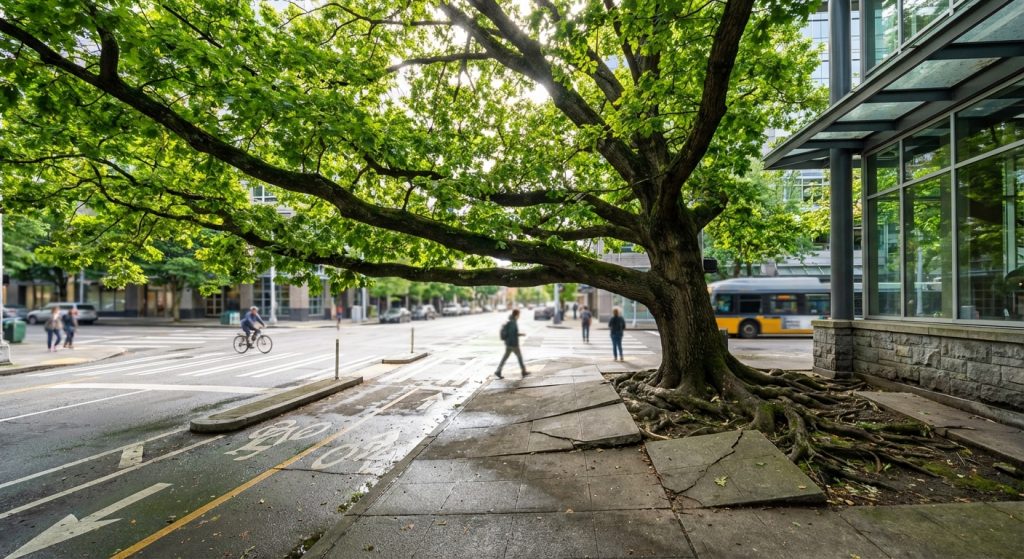
Water management is another critical area. Tree canopies intercept rainfall. This reduces stormwater runoff. It also helps prevent soil erosion. The roots of trees help water infiltrate the soil. This replenishes groundwater supplies. Therefore, trees contribute to a more stable water cycle within urban areas.
Boosting Public Health and Well-being
The presence of urban trees has a profound impact on human health. Studies show that access to green spaces reduces stress. It also lowers blood pressure. Moreover, it improves mental well-being. Spending time in nature, or green space therapy, has clinical benefits. It can reduce cortisol levels. This is the body’s primary stress hormone. Therefore, investing in urban forests is an investment in public health.
Trees encourage outdoor physical activity. Parks and tree-lined streets invite walking and recreation. This leads to healthier lifestyles. It can help combat sedentary behavior. For instance, people are more likely to exercise in pleasant, shaded environments. This directly contributes to reducing rates of obesity and related diseases. You can explore how forest bathing offers significant health advantages.
The aesthetic appeal of trees enhances urban environments. They make cities more attractive and livable. This can improve the quality of life for residents. It also fosters a sense of community. People feel more connected to their surroundings. This sense of well-being is invaluable.
Mental Health Benefits
Trees positively influence mental health. They provide a sense of calm. They also offer a connection to nature. This is especially important in dense urban settings. For example, biophilic design principles incorporate nature into urban spaces. This can boost employee productivity and reduce stress. Therefore, urban trees are essential for mental resilience.
Physical Health Advantages
The physical health benefits are substantial. Reduced air pollution means fewer respiratory problems. Lower temperatures reduce heat-related illnesses. Increased physical activity leads to better cardiovascular health. Thus, trees are a natural form of preventative healthcare.
Economic Advantages of Urban Trees
Investing in urban trees yields significant economic returns. They can increase property values. Homes and businesses in tree-rich areas are often more desirable. This boosts the real estate market. Furthermore, trees can reduce energy costs. Shade from trees lowers cooling needs in summer. This reduces electricity consumption. Consequently, it saves money for residents and businesses.
Trees can also reduce infrastructure costs. Their role in managing stormwater reduces the burden on drainage systems. This can lead to lower maintenance costs for municipal infrastructure. Moreover, healthy urban forests can attract tourism. They make cities more appealing destinations. This stimulates local economies.
The maintenance and management of urban forests create jobs. This includes planting, pruning, and removal services. Therefore, urban forestry contributes to local employment. It also supports a green economy. For example, the development of green building standards often incorporates the use of trees and green infrastructure.
Ecological Contributions
Urban trees support biodiversity. They provide habitat and food for various species. Birds, insects, and small mammals rely on urban trees. This creates a more robust urban ecosystem. It helps maintain ecological balance. Therefore, urban green spaces are vital ecological corridors.
Trees also improve soil health. Their root systems aerate the soil. They also add organic matter. This enhances soil structure and fertility. This is beneficial for urban gardens and parks. It also supports other plant life. Ultimately, this contributes to a healthier urban environment.
Challenges and Considerations
Despite their many benefits, managing urban trees presents challenges. Ensuring species diversity is important. Monocultures are vulnerable to pests and diseases. For example, the emerald ash borer devastated ash tree populations. Therefore, planting a variety of species is crucial. This also helps in managing invasive species and maintaining ecosystem health.
Proper maintenance is essential. Trees need regular pruning. They also require care to prevent disease. Budgetary constraints can hinder these efforts. Therefore, policy makers must allocate sufficient resources. Long-term planning is vital for a thriving urban forest.
Space constraints in dense urban areas can be an issue. Selecting appropriate tree species for limited spaces is important. This includes considering root systems and mature size. Careful planning ensures that trees integrate well into the urban fabric. It also prevents conflicts with infrastructure.
Recommendations for City Policy Makers
City policy makers can implement several strategies. Firstly, they should develop comprehensive urban forestry plans. These plans should include species selection, planting schedules, and maintenance protocols. Secondly, adequate funding is essential. This ensures the long-term health and sustainability of the urban tree canopy.
Encouraging community involvement is also key. Residents can participate in tree planting and care initiatives. This fosters a sense of ownership and stewardship. Furthermore, policy makers should integrate trees into all urban planning decisions. This includes new developments and infrastructure projects. Finally, promoting education on the benefits of trees is important. This raises public awareness and support.
Frequently Asked Questions (FAQ)
What are the main benefits of urban trees?
Urban trees provide numerous benefits. These include improving air quality, reducing the urban heat island effect, sequestering carbon, managing stormwater, enhancing public health and well-being, increasing property values, and supporting biodiversity.
How do urban trees improve air quality?
Trees absorb air pollutants like ozone and particulate matter. They also release oxygen. This process helps create cleaner air for city dwellers.
Can trees help reduce energy costs?
Yes, trees provide shade in the summer. This reduces the need for air conditioning. It can significantly lower energy bills for homes and businesses.
What is the urban heat island effect?
The urban heat island effect describes how cities are warmer than surrounding rural areas. This is due to heat-absorbing surfaces. Trees help mitigate this effect by providing shade and cooling through evapotranspiration.
How can cities ensure a healthy urban tree canopy?
Cities can ensure a healthy canopy through comprehensive urban forestry plans, adequate funding for maintenance, promoting species diversity, and involving the community in tree care and planting efforts.
Conclusion
Urban trees are indispensable assets to any city. They offer a powerful, natural solution to many urban challenges. From environmental resilience to public health and economic prosperity, their benefits are far-reaching. Therefore, city policy makers must prioritize the planting, preservation, and management of urban tree canopies. Investing in green infrastructure is investing in a healthier, more sustainable, and more vibrant future for our cities. Ultimately, a well-managed urban forest is a testament to a city’s commitment to its citizens and the environment.