
Urban Wildlife Corridors: Safe Passage for City Animals
Published on February 3, 2026 by Admin
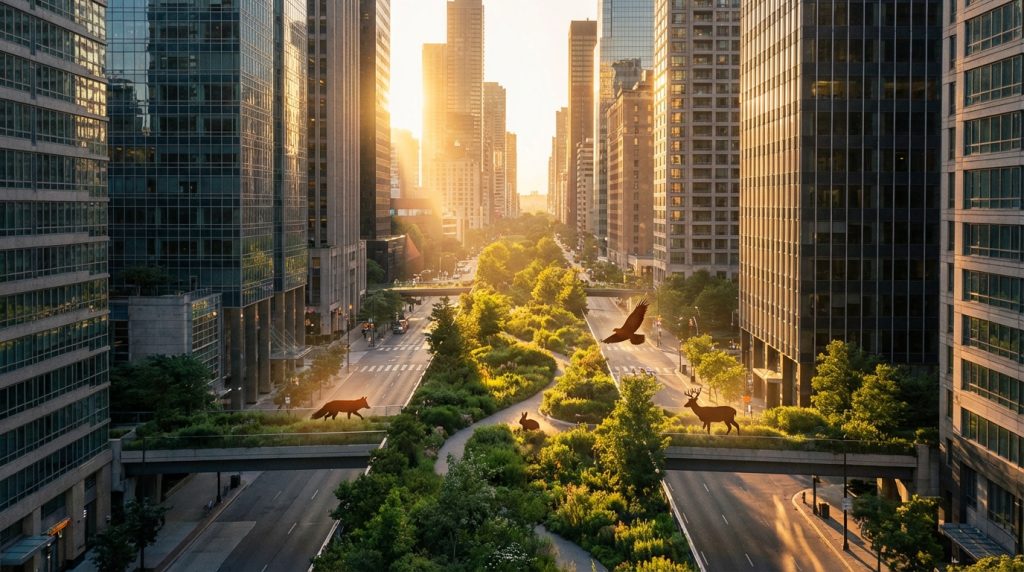
Cities are growing. This expansion often fragments natural habitats. Animals struggle to move between these broken pieces. This makes their survival difficult. Urban wildlife corridors are a solution. They are vital pathways. These corridors help animals navigate cityscapes safely. They connect green spaces. This allows for movement and gene flow. Therefore, they are crucial for biodiversity.
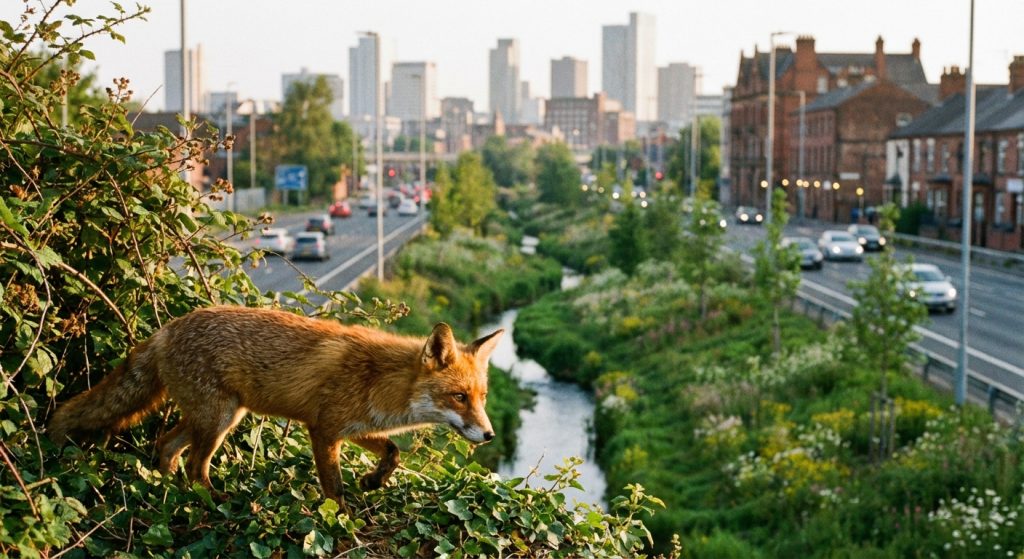
Why Wildlife Corridors Matter in Urban Areas
Urban environments present many challenges for wildlife. Roads, buildings, and fences create barriers. These obstacles limit animal movement. Consequently, animals can become isolated. This isolation leads to reduced genetic diversity. It also increases vulnerability to local extinction. Wildlife corridors act as bridges. They overcome these man-made divisions. They provide safe routes for animals. This is especially important for species that need to travel long distances. For example, migratory birds need unfettered flight paths. Small mammals need safe ground passage.
These corridors are not just for animals. They also benefit humans. They can improve air quality. They can help manage stormwater. Furthermore, they offer recreational spaces. They enhance the aesthetic appeal of cities. Therefore, investing in wildlife corridors is a win-win.
Types of Urban Wildlife Corridors
Urban wildlife corridors come in many forms. The design depends on the specific urban landscape. It also depends on the target species. Some common types include:
- Greenways and Linear Parks: These are often along rivers or old railway lines. They are typically vegetated. They connect larger parks or natural areas.
- Riparian Corridors: These follow watercourses. They provide water and vegetation. Many species rely on these corridors.
- Underpasses and Overpasses: These are engineered solutions. They allow animals to cross busy roads safely. They are critical for reducing roadkill. For instance, many wildlife bridges are built over highways.
- Stepping Stone Habitats: These are smaller patches of habitat. They are strategically placed. They allow animals to move between larger areas. Think of a small park or a cluster of trees.
- Rooftop Gardens and Green Walls: While not traditional corridors, these can provide essential habitat. They offer food and shelter in dense urban areas. They connect fragmented green spaces vertically.
Each type plays a unique role. Often, a combination of these is most effective. Therefore, a multifaceted approach is best.
Designing Effective Urban Wildlife Corridors
Creating successful urban wildlife corridors requires careful planning. Several factors must be considered. Firstly, the needs of the target species are paramount. Different animals have different habitat requirements. They also have different movement patterns. For example, a corridor for deer will differ from one for bats. We must understand animal psychology and their navigation needs.
Secondly, connectivity is key. Corridors should link existing natural areas. They should minimize fragmentation. The width of a corridor is also important. Wider corridors generally support more species. They offer greater protection from edge effects. Edge effects can include increased predation or human disturbance. Therefore, wider is often better.
Thirdly, habitat quality matters. Corridors should provide suitable food, water, and shelter. Native plant species are often preferred. They support local wildlife. They also require less maintenance. Finally, human impact must be managed. Noise and light pollution can deter wildlife. Therefore, minimizing these disturbances is vital.
Challenges in Implementing Urban Wildlife Corridors
Despite their importance, creating urban wildlife corridors faces hurdles. Land availability is a major challenge. Urban land is often expensive and already developed. This makes acquiring or repurposing land difficult. Consequently, creative solutions are needed. This might involve using existing infrastructure. It could also involve incentivizing private landowners. For example, biodiversity credits could fund corridor development.
Another challenge is public perception and engagement. Some residents may not understand the need for corridors. They might fear increased wildlife encounters. Therefore, education and community involvement are essential. Demonstrating the benefits to humans is also important. These benefits include improved quality of life and ecological health.
Furthermore, funding can be a constraint. Developing and maintaining corridors requires ongoing investment. Securing consistent funding streams is crucial for long-term success. This often requires collaboration between government agencies, NGOs, and private entities.
Case Studies and Success Stories
Numerous cities worldwide are implementing wildlife corridor projects. The results are often encouraging. For instance, in some European cities, green roofs and walls have created vital links. These have helped urban pollinators thrive. In North America, many cities have developed extensive trail networks. These act as green corridors for various species. For example, the Cheyenne Bottoms Wetlands in Kansas serves as a crucial stopover for migratory birds. It demonstrates the power of connected habitats.
These projects show that urban wildlife corridors are feasible. They can significantly improve urban biodiversity. They also enhance the livability of cities. Such successes offer hope for a more integrated approach to urban planning. They prove that humans and wildlife can coexist.
The Role of Technology in Wildlife Corridors
Technology is increasingly playing a role in designing and monitoring wildlife corridors. GPS tracking and camera traps help researchers understand animal movement patterns. This data is invaluable for corridor planning. For example, AI can analyze this data to predict animal movement. It can also identify critical crossing points. AI powers wildlife research in many ways.
Smart sensors can monitor corridor usage. They can also detect threats. This includes illegal poaching or habitat degradation. Furthermore, drones can be used for habitat mapping and restoration. For instance, drones can help reseed areas. They can also monitor plant health within corridors. This technological integration allows for more efficient and effective management. It helps ensure corridors remain functional.
Future of Urban Wildlife Corridors
The concept of urban wildlife corridors is evolving. There is a growing recognition of their importance. This is driven by increasing urbanization and biodiversity loss. Future corridors will likely be more integrated. They will be part of a larger ecological network. This network might extend beyond city limits. It will aim to connect urban green spaces with surrounding rural and natural areas. This holistic approach is essential for long-term conservation success.
We may also see more focus on creating multi-functional corridors. These will serve both wildlife and human needs. Think of corridors that also manage water or provide renewable energy. The integration of nature-based solutions is key. As cities continue to grow, these corridors will become even more critical. They are an investment in a sustainable future. They ensure that cities remain vibrant ecosystems for all life.
Frequently Asked Questions (FAQ)
What is the main purpose of urban wildlife corridors?
The main purpose is to provide safe passage for animals through urban areas. This helps them move between fragmented habitats, find food and mates, and maintain healthy populations.
Are wildlife corridors only for large animals?
No, wildlife corridors benefit a wide range of species. This includes birds, insects, amphibians, reptiles, and small mammals, not just large mammals like deer or foxes.
How do urban wildlife corridors help reduce roadkill?
By providing safe alternative routes, such as underpasses or overpasses, corridors steer animals away from dangerous roads. This significantly reduces the number of animals killed by vehicles.
Can individuals contribute to creating wildlife corridors?
Yes, individuals can contribute by creating wildlife-friendly gardens. This includes planting native species, reducing pesticide use, and providing water sources. Supporting local conservation efforts also helps.
What are the benefits of wildlife corridors for humans?
Benefits include improved air and water quality, reduced urban heat island effect, increased recreational opportunities, enhanced aesthetic appeal, and a greater connection to nature.
Conclusion
Urban wildlife corridors are essential for the survival of animals in our increasingly developed world. They are more than just green spaces; they are lifelines. By connecting fragmented habitats, these corridors enable wildlife to move, breed, and thrive. This, in turn, supports healthier urban ecosystems. It also enriches the lives of city dwellers. As we continue to build our cities, prioritizing and expanding wildlife corridors is not just an environmental imperative. It is a fundamental step towards creating more resilient, biodiverse, and livable urban environments for all species.
