
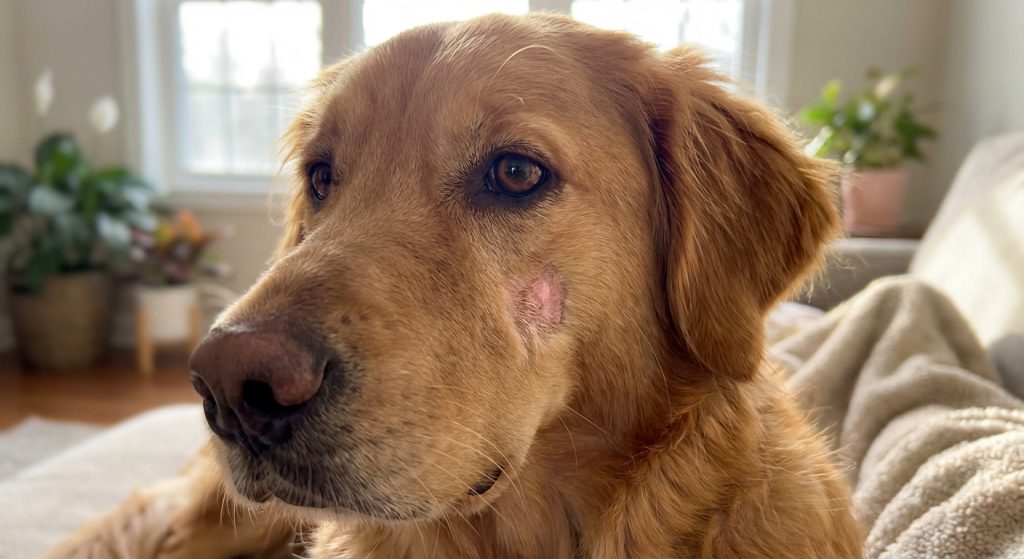
Skin conditions in pets can be challenging. They cause discomfort for your furry friends. They also worry pet owners. Many skin issues are chronic. This means they persist over time. Treating them requires patience and understanding. Veterinary dermatology offers solutions. This field focuses on skin health in animals. It’s crucial for improving your pet’s quality of life.
Chronic skin conditions are common. They affect dogs and cats greatly. Common examples include allergies. These can be environmental or food-related. Other issues include infections. These can be bacterial or fungal. Parasites also cause skin problems. Sometimes, the exact cause remains unknown. This makes long-term management vital.
Understanding Chronic Skin Conditions
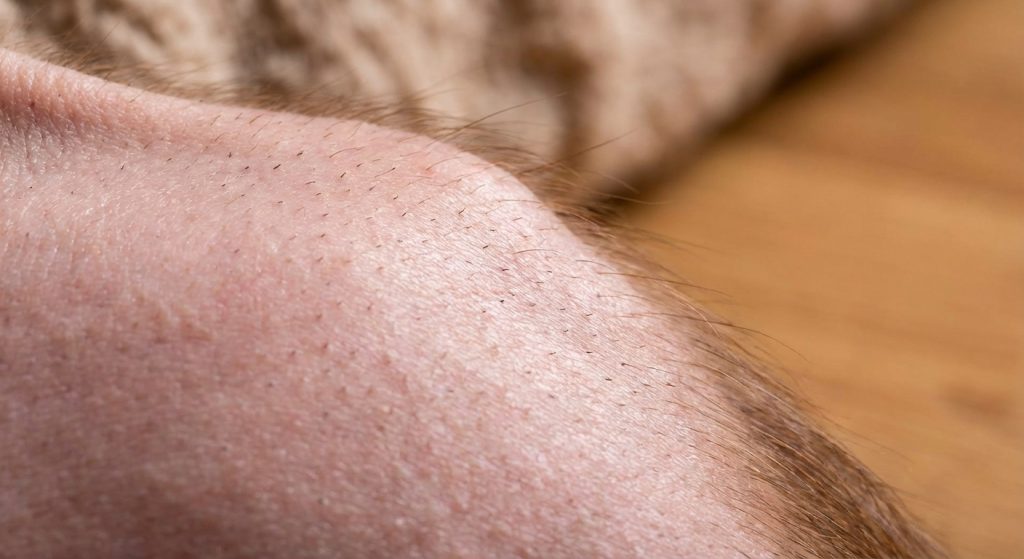
Chronic skin conditions are not simple rashes. They often involve underlying causes. These can be complex. Therefore, a veterinarian’s diagnosis is key. They will look at your pet’s history. They will also perform a physical exam. Diagnostic tests are often necessary. These might include skin scrapings. Blood tests can also help. Allergy testing is another option. Identifying the root cause is the first step.
Some conditions are hereditary. Others develop over time. Environmental factors play a big role. For instance, pollen can trigger allergies. Certain foods can also cause reactions. This is why a detailed history is important. Your observations as a pet owner are valuable. They help the vet piece together the puzzle.
Common Chronic Skin Issues
Let’s explore some common problems.
- Atopic Dermatitis: This is an allergic skin disease. It’s similar to eczema in humans. It’s often triggered by environmental allergens. Pollen, dust mites, and mold are common culprits.
- Food Allergies: Pets can develop sensitivities. These are often to proteins like chicken or beef. Symptoms can include itching, ear infections, and gastrointestinal upset.
- Flea Allergy Dermatitis (FAD): This is a common issue. It’s an allergic reaction to flea saliva. Even a single bite can cause intense itching.
- Bacterial Pyoderma: This is a skin infection. It’s often secondary to other skin problems. It can cause pustules, redness, and hair loss.
- Fungal Infections: Ringworm is a common example. It’s caused by a fungus. It can spread to humans too.
- Mange: This is caused by microscopic mites. Demodectic and sarcoptic mange are two types. They cause intense itching and hair loss.
Each of these conditions requires a tailored approach. Generic treatments often fail. Thus, precise diagnosis is essential.
The Diagnostic Process
Accurate diagnosis is paramount. It guides all subsequent treatment. The veterinary dermatologist will start with a thorough history. They will ask about your pet’s diet. They will also inquire about their environment. Any previous treatments are also noted.
Next, a physical examination occurs. The vet will assess the skin lesions. They will check for parasites. They will also look for signs of infection. Further diagnostic tests may be recommended. These help narrow down the possibilities.
Diagnostic Tools and Techniques
- Skin Scrapings: This involves gently scraping the skin surface. It helps identify mites.
- Cytology: This uses a tape strip or swab. It allows examination of skin cells. It helps detect bacteria and yeast.
- Fungal Culture: This test checks for ringworm. It involves collecting hair and skin samples.
- Allergy Testing: Intradermal skin testing or blood tests can identify allergens. This is particularly useful for atopic dermatitis.
- Dietary Elimination Trials: For suspected food allergies, a strict hypoallergenic diet is fed. This helps identify culprit ingredients. This process can take several weeks.
- Biopsy: In complex cases, a small skin sample is taken. It’s sent to a lab for microscopic examination.
Therefore, a systematic approach ensures the best outcome. Your veterinarian is your partner in this process.
Treatment Strategies for Chronic Skin Conditions
Treating chronic skin conditions is often a lifelong commitment. The goal is to manage symptoms. It is also to improve the pet’s comfort. Treatment plans are highly individualized. They depend on the specific diagnosis. They also consider the pet’s overall health.
Treatment often involves a multi-modal approach. This means using several strategies together. It’s about controlling the disease, not necessarily curing it. However, significant improvement is achievable.
Key Treatment Modalities
- Medications:
- Antibiotics/Antifungals: Used to treat secondary infections.
- Steroids (Corticosteroids): Reduce inflammation and itching. However, long-term use has side effects.
- Antihistamines: Can help with mild itching. Their effectiveness varies.
- Immunomodulators: Such as cyclosporine or oclacitinib. These target the immune system’s response.
- Parasiticides: For flea, tick, and mite control. Regular use is essential.
- Topical Therapies:
- Medicated Shampoos: Help control infections and reduce inflammation.
- Medicated Wipes and Sprays: Target specific itchy or infected areas.
- Moisturizers: Improve skin barrier function.
- Dietary Management:
- Hypoallergenic Diets: Essential for managing food allergies.
- Supplements: Omega-3 fatty acids can help reduce inflammation.
- Environmental Management:
- Reducing Allergen Exposure: Frequent cleaning, air purifiers.
- Parasite Control: Consistent flea and tick prevention.
- Immunotherapy (Allergy Shots): For atopic dermatitis. This involves gradually exposing the pet to allergens. It aims to desensitize their immune system.
Furthermore, ongoing monitoring is crucial. Regular check-ups allow for treatment adjustments.
The Role of the Pet Owner
Pet owners are vital partners in managing chronic skin conditions. Your commitment makes a difference. Adhering to the treatment plan is key. This includes administering medications correctly. It also means following dietary recommendations. You must also perform regular grooming. This might involve frequent bathing with special shampoos.
Observing your pet’s response is important. Note any changes in their skin or behavior. Report these to your veterinarian promptly. This feedback helps refine the treatment strategy. Additionally, be patient. Chronic conditions take time to manage. Celebrate small victories. Your dedication significantly impacts your pet’s well-being.
Tips for Managing Chronic Skin Conditions
- Consistency is key: Follow medication and bathing schedules diligently.
- Maintain a clean environment: Reduce exposure to potential allergens.
- Monitor for flare-ups: Recognize early signs and contact your vet.
- Provide a balanced diet: Crucial for skin health and overall immunity. Consider a diet focused on whole ingredients, similar to how one might approach a magnesium-rich diet plan for humans to ensure nutrient density.
- Prevent secondary infections: Keep skin clean and dry. Address any cuts or abrasions immediately.
- Regular grooming: Helps remove allergens and dead skin.
Moreover, understanding the condition helps. Educating yourself reduces stress. It empowers you to provide the best care.
When to Seek Veterinary Dermatologist Help
While your primary veterinarian can manage many skin issues, some cases benefit from specialist care. A veterinary dermatologist has advanced training. They can diagnose and treat complex or refractory skin diseases. You should consider seeking a specialist if:
- The condition is not responding to standard treatments.
- The diagnosis is unclear or difficult to achieve.
- The condition is severe and causing significant distress.
- The condition involves unusual or rare skin diseases.
- Your pet has multiple concurrent health issues affecting their skin.
Specialists have access to advanced diagnostics. They also have a wider range of treatment options. Their expertise can be invaluable for challenging cases. For instance, exploring advanced diagnostic tools might be akin to using lab-on-a-chip diagnostics for faster, more accurate results in human medicine.
Conclusion
Chronic skin conditions in companion animals are manageable. Veterinary dermatology provides the tools. It offers the expertise needed. A partnership between pet owners and veterinarians is essential. It ensures pets live comfortable, healthy lives. Diagnosis is the first critical step. Treatment plans are tailored and often lifelong. Patience, consistency, and observation are key for owners. By working together, we can significantly improve the skin health and overall well-being of our beloved pets.
Frequently Asked Questions
How long does it take to treat a chronic skin condition?
Treatment duration varies greatly. Some conditions improve within weeks. Others require lifelong management. It depends on the specific diagnosis and severity. Your vet will provide a prognosis.
Can chronic skin conditions be completely cured?
Many chronic skin conditions cannot be cured. However, they can be effectively managed. The goal is to control symptoms. This allows pets to live comfortably.
Are there natural remedies for pet skin conditions?
Some natural remedies may offer supportive care. Examples include omega-3 fatty acids or specific herbal shampoos. However, they should not replace veterinary treatment. Always consult your vet before using any natural remedies.
How do I prevent my pet from getting chronic skin issues?
Preventing chronic skin issues is challenging. Some are genetic. However, good nutrition, regular parasite control, and a clean environment can help. Early detection and prompt treatment of any skin problem are also crucial.
Can my pet’s skin condition spread to humans?
Some skin conditions, like ringworm, are zoonotic. This means they can spread to humans. It is important to practice good hygiene. Wash your hands after handling pets with skin issues. Consult your vet for advice on zoonotic risks.
