
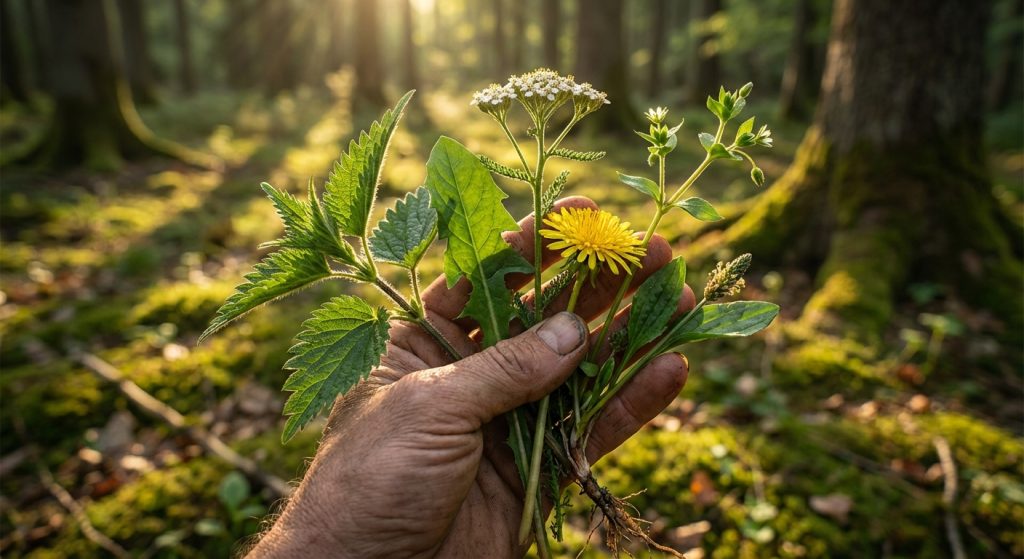
Knowing wild herbs is crucial for survivalists. It provides food and medicine. Identification skills save lives. This guide will help you learn.
Why Learn Wild Herb Identification?
Wild herbs offer many benefits. They are a natural resource. You can find them in many places. Understanding them is a key survival skill. It gives you independence. You won’t rely on others. You can also help others. Sharing this knowledge is important. Therefore, learning is a valuable pursuit.
Edible vs. Toxic: The Critical Difference
This is the most important part. Misidentification can be deadly. Many plants look alike. Some are edible, others are toxic. Always be 100% sure. Never guess. If in doubt, leave it out. This rule is non-negotiable. Learning to distinguish them takes time. Practice is essential. Therefore, start with common, safe plants.
Key Principles for Safe Identification
Several principles guide safe identification. Following them reduces risk. It builds confidence. These are fundamental rules.
1. Observe the Whole Plant
Look at all parts. This includes roots, stems, leaves, and flowers. The shape of leaves matters. So does their arrangement on the stem. Flower color and structure are vital clues. The overall growth habit is also important. For example, is it a vine or a shrub? Therefore, a thorough examination is key.
2. Note the Habitat
Where does the plant grow? Does it prefer wet areas or dry ones? Does it grow in shade or full sun? Is it in a forest or a meadow? The environment provides context. Certain plants thrive in specific conditions. For instance, cattails grow in wetlands. Knowing the habitat narrows down possibilities. As a result, you can focus your search.
3. Understand Leaf Arrangement and Shape
Leaf arrangement is a key identifier. Are leaves opposite each other on the stem? Or are they alternate? Are they in whorls? Leaf shape is also crucial. Look for lobes, serrations, or smooth edges. Simple leaves have one blade. Compound leaves have multiple leaflets. Therefore, detailed observation of leaves is vital.
4. Examine Flower and Seed Structures
Flowers are often the easiest to identify. Note their color, number of petals, and shape. How are they arranged? Are they in clusters or solitary? Seed pods or fruits also offer clues. Their size, shape, and color are important. For example, berries can be edible or poisonous. Always research the specific fruit or seed. Thus, flowers and seeds provide strong identification markers.
5. Consider the Scent
Some plants have distinctive smells. Crush a leaf or stem. Does it smell minty, spicy, or unpleasant? This can be a significant clue. For example, wild mint has a strong minty aroma. However, some toxic plants also have strong smells. So, scent is a secondary identifier. Use it with other observations. Therefore, engage all your senses cautiously.
Common Wild Herbs for Survivalists
Here are a few examples of useful wild herbs. Remember to always confirm identification. These are for educational purposes.
Dandelion (Taraxacum officinale)
Dandelions are widespread. They are often considered weeds. However, they are highly useful. All parts are edible. The leaves are great in salads. They can be cooked like spinach. The roots can be roasted. They are also used for tea. The flowers can be made into wine. Dandelions are rich in vitamins. They also have medicinal properties. For instance, they are known as a diuretic. This plant is generally safe to identify. Its toothed leaves and single yellow flower are distinctive.
Plantain (Plantago major)
Broadleaf plantain is common. It has large, oval leaves. The leaves grow in a basal rosette. A flower stalk rises from the center. It has tiny, greenish flowers. The leaves are edible when young. They are best cooked. Plantain is also a powerful medicinal herb. It is known for its wound-healing properties. A poultice can be made from the leaves. This helps with cuts and insect bites. Therefore, it’s a valuable survival plant.
Wild Garlic / Wild Onion (Allium spp.)
These plants have a distinct garlic or onion smell. They have long, slender leaves. They grow in clumps. The flowers are usually white or pinkish. All parts are edible. They add flavor to meals. They also have health benefits. They are known for their antimicrobial properties. Be careful, though. Some toxic plants mimic wild onions. Always check for the characteristic smell. The smell is your best identifier here. Hence, the scent is crucial for this group.
Stinging Nettle (Urtica dioica)
Nettle has a fearsome reputation. Its leaves and stems have stinging hairs. These cause a temporary rash. However, cooking neutralizes the sting. Once cooked, nettle is highly nutritious. It’s packed with vitamins and minerals. It can be used in soups and stews. It’s also a valuable medicinal herb. It’s known for its diuretic and anti-inflammatory effects. Always wear gloves when harvesting. Therefore, preparation is key for nettle.
Chickweed (Stellaria media)
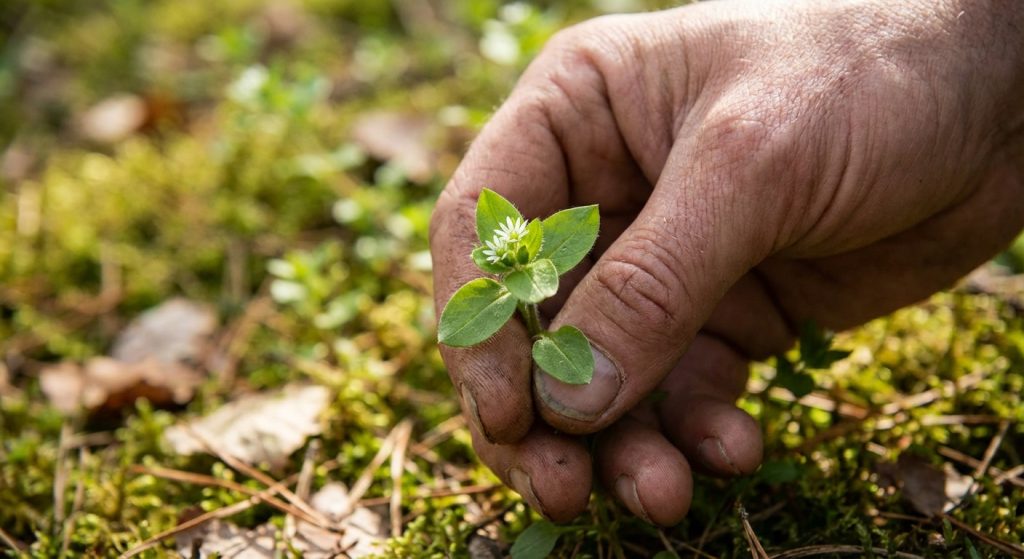
Chickweed is a low-growing plant. It has small, oval leaves. Delicate white flowers have five petals. They look like ten small ones. It often grows in damp, shady areas. All parts are edible. It has a mild, fresh flavor. It’s great in salads or as a garnish. It’s also used medicinally. It is known for its soothing properties. It can be used for skin irritations. Chickweed is generally easy to identify. Its small size and delicate nature are clues.
Tools and Resources for Identification
Learning is an ongoing process. Use reliable resources. These tools enhance your accuracy.
Field Guides
A good field guide is essential. Look for ones specific to your region. They contain detailed descriptions and photos. Many guides also include range maps. These show where plants are typically found. Therefore, choose a guide that suits your environment. A comprehensive guide is a survivalist’s best friend.
Plant Identification Apps
Technology can help. Many apps use AI to identify plants. You take a photo, and the app suggests an ID. However, these apps are not foolproof. Always cross-reference with other sources. Don’t rely solely on an app. They are a helpful tool, but not a substitute for knowledge. As a result, use them as a supplement, not a primary source.
Local Experts and Courses
Learning from experienced people is invaluable. Look for local foraging groups or workshops. An experienced guide can point out key features. They can also teach you regional specifics. This hands-on experience is hard to beat. It builds confidence and practical skills. Therefore, seek out knowledgeable individuals.
The Dangers of Misidentification
We cannot stress this enough. Mistakes can have severe consequences. This section highlights the risks.
Poisoning
Ingesting a toxic plant can cause severe illness. Symptoms range from nausea and vomiting to organ failure. Some plants are deadly. For example, hemlock looks similar to wild carrot. But hemlock is highly poisonous. Therefore, absolute certainty is required before consumption.
Allergic Reactions
Even edible plants can cause reactions in some people. Some individuals might be sensitive. It’s wise to do a small taste test. Apply a small amount to your skin first. Then, touch a small amount to your lip. Finally, chew a tiny bit and spit it out. Wait to see if any reaction occurs. This is a prudent approach. As a result, you minimize potential harm.
Resource Waste
Spending time and energy on a plant that is not what you think is a waste. You might be collecting something inedible or even harmful. This time could be spent finding reliable food sources. Therefore, accurate identification saves valuable resources.
Ethical Foraging Practices
Responsible harvesting is crucial. It ensures plants are available for future generations. It also protects ecosystems. You can learn more about safe foraging practices, which apply to herbs too.
Know Your Local Laws
Some areas have restrictions on foraging. Always check regulations before harvesting. Private property also requires permission. Respect land ownership. Therefore, be aware of legal and ethical boundaries.
Harvest Sustainably
Never take more than you need. Leave plenty of plants for reproduction. Avoid harvesting rare or endangered species. Take only a portion of the plant. For example, don’t uproot entire patches of a herb. This ensures the population can recover. As a result, you contribute to conservation.
Avoid Contaminated Areas
Do not collect plants near roadsides. Traffic pollution can contaminate them. Also, avoid areas treated with pesticides or herbicides. Industrial sites and polluted water bodies are also no-go zones. Stick to clean, natural environments. Therefore, choose your harvesting locations wisely.
Frequently Asked Questions
What is the most important rule for wild herb identification?
The most important rule is: never eat a plant unless you are 100% certain of its identification. If there is any doubt, do not consume it.
Are there any apps that can reliably identify wild herbs?
Yes, there are many plant identification apps. However, they are not always 100% accurate. Always cross-reference app identifications with reliable field guides or expert knowledge. They are best used as a supplementary tool.
How can I practice identifying herbs safely?
Start by learning a few common, easily identifiable plants in your local area. Use reputable field guides and focus on learning their unique characteristics. Practice identifying them in their natural habitat without consuming them until you are completely confident. Joining a local foraging group can also provide valuable hands-on experience.
What should I do if I suspect I have eaten a poisonous plant?
Seek immediate medical attention. If possible, bring a sample of the plant with you to the hospital. Do not try to induce vomiting unless instructed by a medical professional. Time is critical in cases of poisoning.
Can I use wild herbs for medicinal purposes immediately after identification?
While many wild herbs have medicinal properties, it’s crucial to have proper knowledge and training before using them for healing. Misusing medicinal herbs can be harmful. It’s best to consult with a qualified herbalist or healthcare provider for medicinal use.
Conclusion
Mastering wild herb identification is a journey. It requires patience, practice, and a commitment to safety. By understanding the principles of observation, using reliable resources, and foraging ethically, you can unlock a world of natural benefits. This knowledge empowers you in the wild. It connects you to nature. So, start learning today. Your survival toolkit will be richer for it. Ultimately, safe and informed identification is the key to harnessing the power of wild herbs.
