
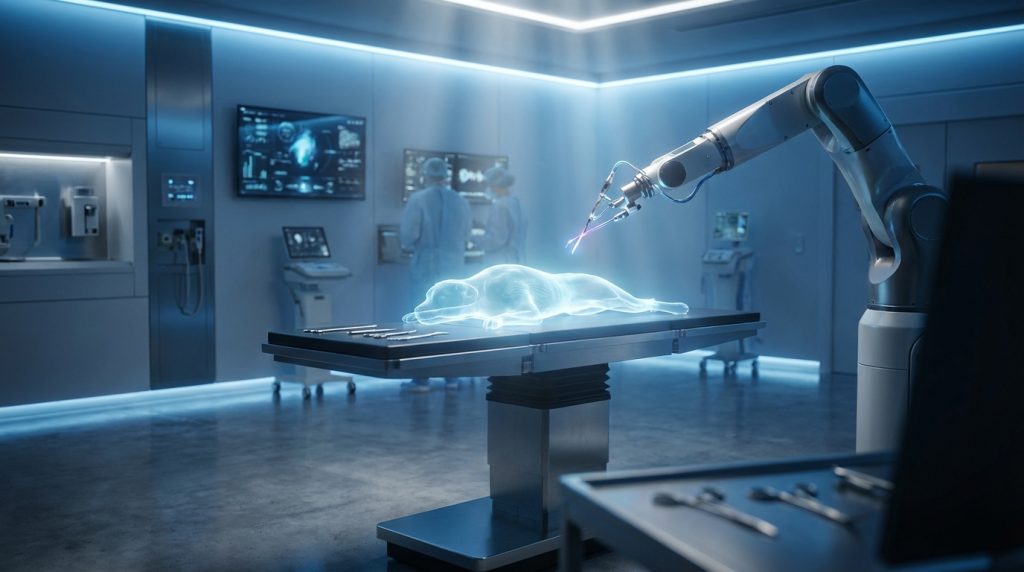
Veterinary medicine is rapidly advancing. This is especially true in surgical techniques. Today, veterinarians can perform complex procedures. These were once only possible in human medicine. This article explores advanced surgical techniques. We will focus on specialized fields like neurosurgery. These innovations offer new hope for animal patients. They improve their quality of life significantly.
The Evolution of Veterinary Surgery
Veterinary surgery has come a long way. Early practices were often basic. They focused on essential procedures. However, advances in technology and knowledge changed everything. We now see specialized surgical fields emerge. These include orthopedics, cardiology, oncology, and neurosurgery. Each specialty requires unique skills and equipment. Therefore, specialized training is crucial for veterinarians.
The drive for better animal care fuels this evolution. Pet owners expect high-quality medical treatment. They see their pets as family members. This demand pushes veterinary professionals to innovate. Consequently, new techniques and technologies are constantly being developed and adopted. For example, advanced imaging plays a vital role. It helps in precise diagnosis and surgical planning. You can learn more about this in our article on Advanced Veterinary Imaging.
Neurosurgery: A Frontier in Animal Care
Veterinary neurosurgery is a prime example of advancement. It deals with the nervous system. This includes the brain, spinal cord, and peripheral nerves. Conditions like herniated discs, brain tumors, and epilepsy can now be treated surgically. Previously, many of these conditions were untreatable. They often led to euthanasia or a poor quality of life.
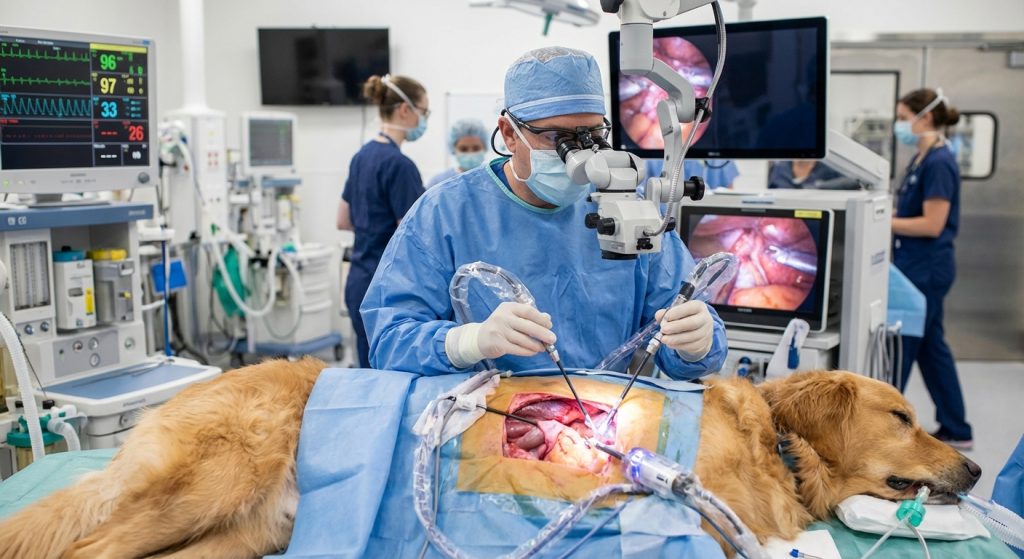
Minimally invasive techniques are becoming more common. These techniques reduce trauma. They also speed up recovery times. For instance, endoscopic procedures allow surgeons to operate through small incisions. This is a significant improvement over traditional open surgery. The precision offered by these methods is remarkable. It allows for targeted treatment of neurological issues.
Common Neurosurgical Procedures
Several advanced neurosurgical procedures are now standard in specialized veterinary hospitals. These include:
- Discectomy: Removing damaged intervertebral disc material. This relieves pressure on the spinal cord. It is common for breeds prone to back problems.
- Tumor Resection: Surgically removing tumors from the brain or spinal cord. Early detection and surgical intervention are key.
- Ventriculoperitoneal Shunt Placement: Used to treat hydrocephalus (fluid buildup in the brain). This procedure helps to drain excess cerebrospinal fluid.
- Stabilization of Spinal Fractures: Using implants and plates to stabilize fractured vertebrae. This is crucial for animals with spinal injuries.
Furthermore, the development of specialized surgical instruments is essential. These tools enable finer manipulation. They are vital for delicate neurological tissues. Therefore, access to cutting-edge equipment is a hallmark of advanced neurosurgical care.
Orthopedic Advancements
Orthopedic surgery in veterinary medicine has also seen incredible progress. Complex fracture repairs are now routine. Advanced implants and techniques are used. These include total joint replacements. These are common for hips and knees in dogs. They restore mobility and reduce pain. This is particularly helpful for large breeds or older animals.
Arthroscopy is another significant advancement. It is a minimally invasive technique. It allows surgeons to visualize and treat joint problems. They can do this through small incisions. This reduces pain and recovery time. Conditions like ligament tears and cartilage damage can be addressed effectively. This leads to a much better outcome for the animal.
Oncology Surgeries
Cancer surgery in animals is becoming more sophisticated. Veterinary oncologists can now perform complex tumor removals. They aim to achieve clean margins. This means removing all cancerous cells. Advanced imaging helps map tumor boundaries. This ensures precise surgical excision. Sometimes, reconstructive surgery is needed after tumor removal. This helps restore function and appearance.
For example, reconstructive flaps or grafts might be used. These can be vital for facial or limb tumors. Therefore, a multidisciplinary approach is often employed. This involves surgeons, oncologists, and radiologists working together. This collaboration ensures the best possible outcome for the animal patient.
Cardiothoracic Surgery
Surgery on the heart and lungs in animals is challenging. However, significant progress has been made. Procedures like patent ductus arteriosus (PDA) ligation are now common. This condition is a congenital heart defect. It can be corrected surgically. More complex procedures are also being performed.
Minimally invasive cardiothoracic surgery is gaining traction. This often involves specialized equipment. It allows for interventions with smaller incisions. This reduces patient stress and speeds recovery. For instance, assisted sternotomy techniques are used. They provide excellent visualization with less invasiveness.
The Role of Technology and Training
Advanced surgical techniques rely heavily on technology. This includes:
- Advanced Imaging: MRI, CT scans, and digital radiography provide detailed anatomical views. This is crucial for planning complex surgeries.
- Surgical Navigation Systems: Similar to GPS for surgery, these systems guide the surgeon’s instruments with extreme precision.
- Robotic Surgery: While still emerging in veterinary medicine, robotic systems offer enhanced dexterity and visualization for complex procedures.
- Specialized Surgical Tools: Micro-instruments, lasers, and advanced anesthetic monitoring equipment are essential.
Equally important is specialized training. Veterinary surgeons undergo rigorous training. This includes residencies and fellowships in their chosen specialties. Continuous education is also vital. The field is constantly evolving. Therefore, staying updated with the latest techniques and research is paramount. This commitment to learning ensures animals receive the best possible care. It is also important to note that advancements in areas like minimally invasive techniques are benefiting pets across various surgical disciplines.
Minimally Invasive Techniques: The Future
Minimally invasive surgery (MIS) is a game-changer. It offers numerous benefits. These include smaller incisions, reduced pain, shorter hospital stays, and faster return to normal activity. MIS techniques are being applied across many veterinary specialties.
Examples include laparoscopic surgery for abdominal procedures. This can be used for ovariohysterectomy (spaying) or gastropexy. Thoracoscopic surgery is used for chest procedures. Endoscopic procedures can diagnose and treat issues in the gastrointestinal tract or airways. Furthermore, focused ultrasound is emerging as a non-invasive treatment option. It can target tumors with high precision. This technology holds immense promise for future veterinary interventions.
Challenges and Considerations
Despite these advancements, challenges remain. Advanced surgeries require specialized equipment. This equipment can be very expensive. Therefore, not all veterinary clinics can offer these services. Highly specialized training is also a significant investment. This limits the number of veterinarians who can perform these procedures.
Furthermore, the cost of advanced procedures can be high. This can be a barrier for some pet owners. However, the long-term benefits of improved quality of life and reduced suffering often outweigh the initial cost. Pet insurance is becoming more common. It helps owners manage these expenses. Therefore, discussing financial options and insurance coverage is important.
Conclusion
Advanced surgical techniques are transforming veterinary medicine. Fields like neurosurgery are offering new hope for complex conditions. Technology and specialized training are driving these innovations. Minimally invasive approaches are becoming the standard for many procedures. This leads to better outcomes and faster recovery for animal patients. As research continues, we can expect even more groundbreaking advancements. These will further enhance the health and well-being of our animal companions. The future of veterinary surgery is bright and full of possibilities.
Frequently Asked Questions (FAQ)
What is veterinary neurosurgery?
Veterinary neurosurgery is a specialized field focusing on surgical treatments for conditions affecting the nervous system of animals. This includes the brain, spinal cord, and peripheral nerves. Common procedures address issues like herniated discs, brain tumors, and spinal injuries.
Are minimally invasive surgeries common in veterinary medicine?
Yes, minimally invasive surgeries are becoming increasingly common. Techniques like laparoscopy and arthroscopy offer benefits such as smaller incisions, reduced pain, and faster recovery times for animal patients.
What are the benefits of advanced orthopedic surgery for pets?
Advanced orthopedic surgeries, such as total joint replacements and arthroscopy, can restore mobility, reduce pain, and significantly improve the quality of life for pets suffering from conditions like arthritis, fractures, and ligament tears.
How does technology impact veterinary surgery?
Technology plays a crucial role. Advanced imaging (MRI, CT), surgical navigation systems, specialized instruments, and emerging robotic surgery enhance precision, improve diagnostics, and enable more complex and less invasive procedures.
What are the main challenges in providing advanced veterinary surgical care?
The main challenges include the high cost of specialized equipment, the extensive training required for veterinary surgeons, and the financial burden that advanced procedures can place on pet owners.
