Citizen Science: Powering Biodiversity Monitoring
Published on February 4, 2026 by Admin
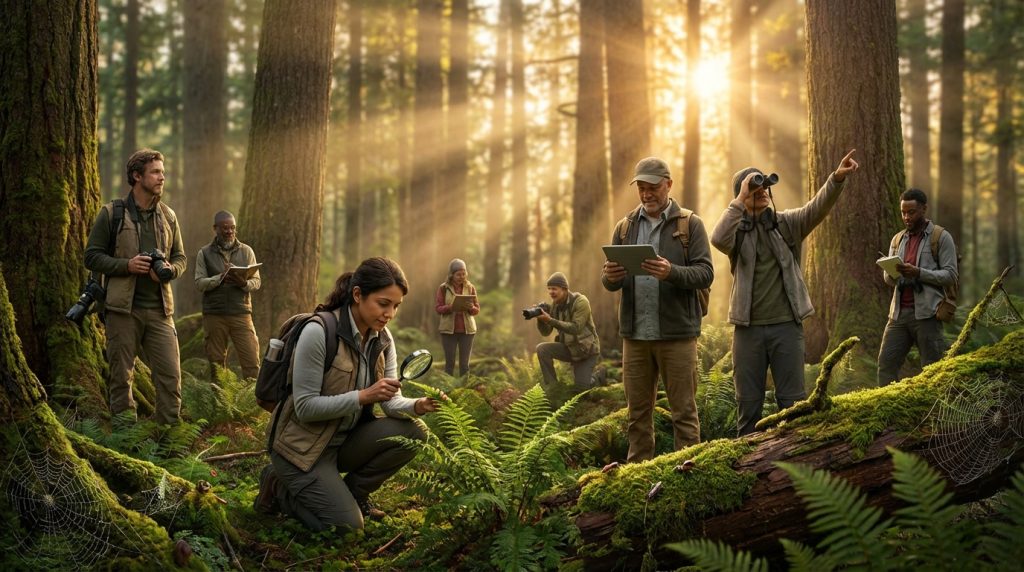
Citizen science initiatives are transforming how we understand and protect the natural world. They empower ordinary people to contribute to vital research. This means everyone can help monitor biodiversity. Therefore, these projects are crucial for conservation efforts.
Many scientific endeavors require vast amounts of data. Collecting this data can be time-consuming and expensive. However, citizen science offers a solution. It mobilizes a large network of volunteers. These volunteers collect observations from their local environments. As a result, scientists gain access to unprecedented datasets.
The Rise of Citizen Science in Ecology
The concept of citizen science is not new. However, its application in biodiversity monitoring has surged. This growth is driven by several factors. Firstly, increased public awareness of environmental issues plays a role. Secondly, technological advancements make participation easier. Smartphones, for instance, allow easy data recording and sharing.
Moreover, many organizations now actively promote citizen science projects. These projects cover a wide range of topics. They focus on everything from bird counts to insect identification. Therefore, there are opportunities for almost everyone to get involved. This widespread engagement is essential for comprehensive ecological surveys.
Why Biodiversity Monitoring Matters
Biodiversity refers to the variety of life on Earth. It includes all species, their genetic variations, and the ecosystems they inhabit. Protecting biodiversity is vital for several reasons. Firstly, healthy ecosystems provide essential services. These services include clean air, water, and food. Secondly, biodiversity contributes to ecological stability. It also supports scientific discovery and innovation.
Unfortunately, biodiversity is declining rapidly. Habitat loss, climate change, and pollution are major threats. Therefore, effective monitoring is crucial. Monitoring helps us understand these threats. It also allows us to track the effectiveness of conservation strategies. Without accurate data, conservation efforts can be misguided. This is where citizen science plays a pivotal role.
How Citizens Contribute to Monitoring
Citizen scientists contribute in numerous ways. They can participate in structured projects or informal observations. Common activities include:
- Species Identification: Volunteers learn to identify and record sightings of plants, animals, and fungi.
- Data Collection: They might measure water quality, record weather patterns, or map habitat changes.
- Photography and Audio Recording: Documenting sightings with photos or sound recordings provides valuable evidence.
- Mapping and Localization: Using GPS to record the exact location of observations.
- Reporting Unusual Events: Noticing and reporting phenomena like disease outbreaks or invasive species.
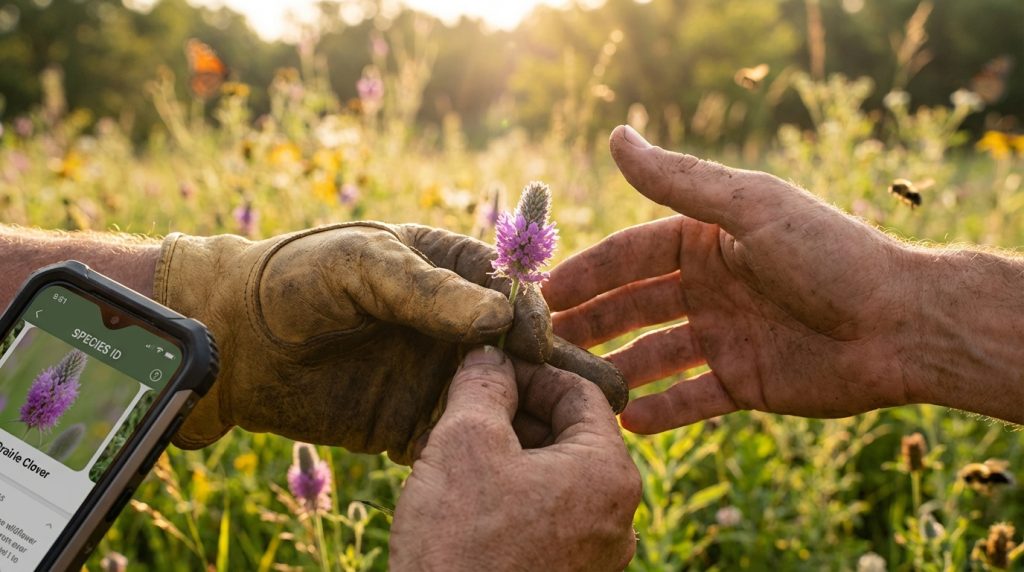
For example, birdwatching groups have been collecting data for decades. These long-term datasets are invaluable for understanding bird population trends. Similarly, projects like iNaturalist allow anyone to upload photos of organisms. Then, experts and other users help identify them. This crowdsourced identification process is remarkably accurate.
Furthermore, citizen science projects often focus on specific regions or habitats. This allows for detailed local monitoring. For instance, monitoring wetlands helps track changes in water quality and the species that depend on them. This granular data complements broader scientific studies.
Benefits of Citizen Science
The advantages of citizen science extend beyond data collection. Firstly, it significantly increases the scale and scope of research. Scientists can cover larger areas and monitor phenomena more frequently. Secondly, it fosters public engagement and environmental stewardship. Participants develop a deeper connection to their local environment. As a result, they are more likely to support conservation initiatives.
Moreover, citizen science can drive educational outcomes. Participants learn new skills and gain scientific knowledge. This can inspire future scientists and conservationists. Additionally, it provides a cost-effective way to gather data. Mobilizing volunteers is often more economical than hiring professional researchers for extensive fieldwork.
Challenges and Considerations
Despite its benefits, citizen science faces challenges. Data quality is a primary concern. Volunteers may misidentify species or make errors in recording data. Therefore, robust training and verification protocols are essential. Many projects employ algorithms and expert review to validate submissions. This ensures the reliability of the collected information.
Another challenge is participant retention. Keeping volunteers engaged over the long term requires effort. Clear communication, feedback, and recognition are crucial. Project organizers must also ensure accessibility. Projects should be designed to accommodate diverse skill levels and technological access. For instance, some projects might offer offline data collection methods.
Furthermore, ethical considerations are important. Data privacy and ownership must be addressed. Clear guidelines are needed regarding how collected data will be used. This builds trust between participants and researchers. It is also important to acknowledge the contributions of citizen scientists.
Examples of Successful Initiatives
Numerous citizen science projects have made significant contributions. The Audubon Society’s Christmas Bird Count is a prime example. It has been running for over a century. It provides crucial data on bird populations and their distribution. Another popular platform is iNaturalist. It has millions of users worldwide. It helps document biodiversity across continents. These platforms enable the tracking of species distributions and migration patterns.
Projects like the Great Backyard Bird Count also engage thousands annually. They encourage people to observe birds in their backyards. This simple act contributes to a massive dataset. Similarly, initiatives focused on monitoring pollinators are vital. These projects help understand the health of these crucial species. Understanding pollinator health is directly linked to pollinator garden layouts and agricultural success.
Furthermore, citizen science is increasingly used for monitoring threats. For example, projects might track the spread of invasive species. Early detection of invasive species is critical for effective management. This allows for quicker intervention. It can prevent widespread ecological damage. This is similar to how scientists monitor invasive species control efforts.
The Future of Citizen Science and Biodiversity
The future of citizen science in biodiversity monitoring looks bright. Technology continues to advance. AI and machine learning can help process and analyze large datasets. This includes identifying species from images or audio. Drones and remote sensing technologies can also be integrated. They can complement ground-based citizen observations. For instance, drone monitoring is transforming livestock health management, showing the broader impact of technology in environmental observation.
Moreover, the “One Health” approach is gaining traction. This approach recognizes the interconnectedness of human, animal, and environmental health. Citizen science can play a key role in this integrated monitoring. It can help track disease outbreaks or environmental changes that affect all three. The One Health approach emphasizes collaboration across disciplines.
As data collection becomes more sophisticated, citizen scientists will be empowered. They can contribute to more complex research questions. This could include tracking the impacts of climate change on ecosystems. It might also involve monitoring the effectiveness of habitat restoration projects. Ultimately, citizen science fosters a shared responsibility for our planet’s natural heritage.
Frequently Asked Questions (FAQ)
What is citizen science?
Citizen science is a form of scientific inquiry that involves the public in scientific research. It allows volunteers to participate in data collection, analysis, and even research design.
How can I get involved in citizen science?
You can get involved by searching for local or online citizen science projects related to your interests. Websites like SciStarter or Zooniverse list many opportunities. Even simple activities like birdwatching and reporting your sightings can contribute.
Is the data collected by citizen scientists reliable?
Yes, the data can be very reliable, especially with proper training and verification protocols. Many projects use expert review, algorithms, and quality control measures to ensure data accuracy.
What are the benefits for participants?
Participants gain new knowledge and skills, develop a deeper connection with nature, contribute to important scientific research, and can foster a sense of community.
Are there any risks associated with citizen science?
Generally, citizen science is safe. However, participants should always follow project guidelines, especially when working in natural environments. Be aware of local wildlife and weather conditions.
Conclusion
Citizen science initiatives are powerful tools for biodiversity monitoring. They democratize scientific research. They also foster a deeper connection between people and nature. By contributing their time and observations, citizens help scientists understand our planet’s complex ecosystems. This collaboration is essential for conservation. It helps us protect biodiversity for future generations. Therefore, embracing citizen science is a crucial step towards a healthier planet.