Geoengineering: Humanity’s Risky Climate Intervention Debate
Published on February 4, 2026 by Admin
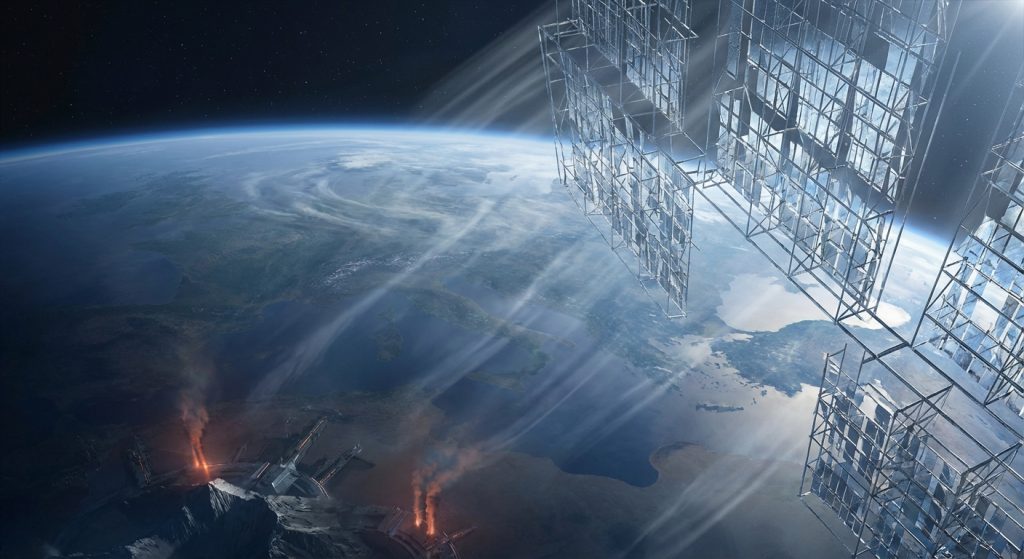
The Earth’s climate is changing. This is a fact. Human activities are the primary driver. As a result, scientists and policymakers are exploring radical solutions. One such area is geoengineering. This involves deliberately intervening in the climate system. However, it is also highly controversial. Many people worry about the potential risks. Therefore, the debate is complex and ongoing.
Geoengineering aims to counteract climate change. It is not a single solution. Instead, it encompasses various techniques. These techniques fall into two main categories. Firstly, solar radiation management (SRM). Secondly, carbon dioxide removal (CDR). Each approach has its own set of pros and cons. Furthermore, the ethical and governance implications are significant.
What is Geoengineering?
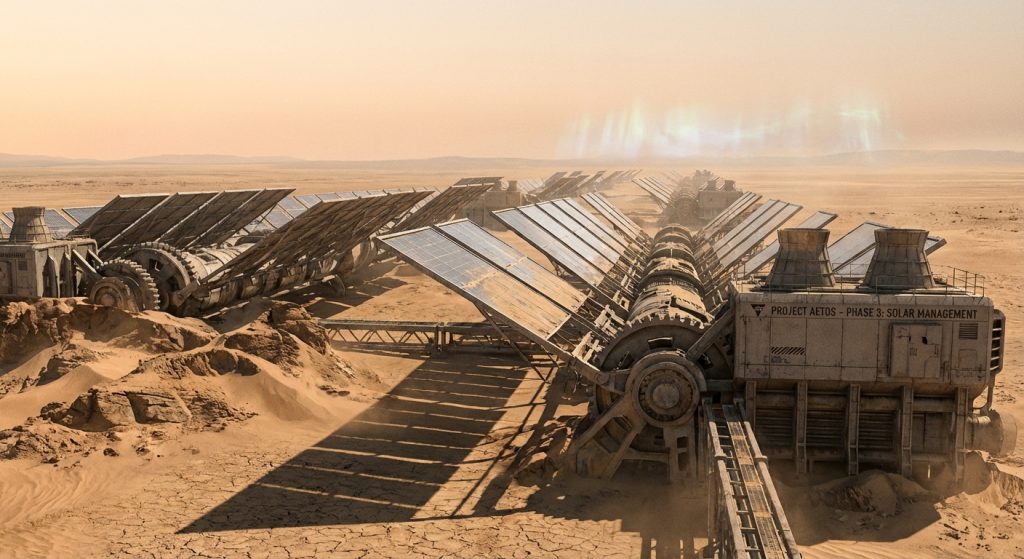
Geoengineering refers to large-scale, intentional interventions. These interventions aim to alter Earth’s climate system. The primary goal is to mitigate or reverse climate change. It is a broad field. It includes many different proposed technologies and approaches. They are often divided into two main categories.
Solar Radiation Management (SRM)
SRM techniques aim to reflect more sunlight back into space. This would cool the planet. For example, stratospheric aerosol injection is one method. It involves releasing particles into the upper atmosphere. These particles would mimic the cooling effect of large volcanic eruptions. Another idea is marine cloud brightening. This would make clouds more reflective. Stratospheric aerosol injection is a prominent example. It could potentially lower global temperatures relatively quickly. However, it does not address the root cause of climate change, which is greenhouse gas emissions. Therefore, it would only mask the symptoms.
Carbon Dioxide Removal (CDR)
CDR techniques aim to remove carbon dioxide (CO2) from the atmosphere. This directly addresses the cause of warming. Examples include afforestation and reforestation. This means planting more trees. Trees absorb CO2 as they grow. Direct air capture (DAC) is another method. This involves using machines to suck CO2 out of the air. Bioenergy with carbon capture and storage (BECCS) is also proposed. This involves growing biomass, burning it for energy, and capturing the CO2. CDR methods are generally seen as less risky than SRM. This is because they tackle the underlying problem. However, they are often slower and more expensive. For instance, large-scale afforestation needs vast amounts of land. Direct air capture is still in its early stages of development. It is also very energy-intensive.
The Promise and Peril of Geoengineering
The potential benefits of geoengineering are significant. It offers a way to rapidly reduce global temperatures. This could buy humanity crucial time. This time could be used to transition to a low-carbon economy. For example, if we face an immediate climate catastrophe, SRM might be a last resort. It could prevent the worst-case scenarios. Furthermore, some CDR methods, like planting trees, offer co-benefits. These include habitat restoration and biodiversity enhancement. You can read more about the importance of ancient trees in ecological systems.
However, the risks are equally substantial. Many of these technologies are untested at scale. Unintended consequences are a major concern. For instance, altering atmospheric particles could disrupt rainfall patterns. This might lead to droughts in some regions and floods in others. It could also damage the ozone layer. Moreover, SRM would not stop ocean acidification. This is a serious problem caused by absorbing excess CO2. Ocean acidification threatens marine ecosystems. It impacts shellfish and coral reefs. For example, coral reefs are vital marine habitats. Their health is already declining due to warming and acidification. You can learn about veterinary approaches to treating marine diseases which highlights the fragility of these ecosystems.
Furthermore, there are significant ethical and governance challenges. Who decides if and when to deploy these technologies? What if a country unilaterally decides to use SRM? This could have global repercussions. The potential for weaponization is also a concern. Therefore, international cooperation and robust governance frameworks are essential. Without them, geoengineering could create more problems than it solves.
Key Controversies and Debates
The debate around geoengineering is multifaceted. Several key areas generate significant controversy.
Moral Hazard
One major concern is the “moral hazard” argument. This suggests that the prospect of geoengineering might reduce the incentive to cut greenhouse gas emissions. If we believe we have a technological fix, why bother with difficult emission reductions? This could lead to a dangerous complacency. It might delay or weaken climate mitigation efforts. Therefore, many argue that geoengineering research should not distract from the primary goal of reducing emissions.
Unforeseen Environmental Impacts
As mentioned earlier, the environmental risks are a significant concern. SRM techniques, in particular, could have widespread and unpredictable effects. For example, changes in solar radiation could affect agriculture. It might also alter weather patterns in ways we cannot fully predict. The long-term ecological consequences are largely unknown. We are talking about tinkering with a complex system. The Earth’s climate is incredibly intricate. Small changes can have cascading effects. Therefore, a cautious approach is vital.
Governance and Equity
The governance of geoengineering technologies is a major challenge. Who has the authority to deploy them? How do we ensure equitable outcomes? If SRM is deployed, who benefits and who suffers? For instance, if one country’s SRM deployment causes drought in another, what recourse does that nation have? There is a risk that powerful nations could impose their will on others. This could exacerbate existing global inequalities. Therefore, establishing clear international agreements and oversight mechanisms is crucial. This is especially important for technologies that have global impacts.
Termination Shock
A specific risk associated with SRM is “termination shock.” If SRM were implemented and then suddenly stopped, global temperatures could rise very rapidly. This is because the underlying greenhouse gas concentrations would still be high. The planet would quickly warm to a level consistent with those concentrations. Such a rapid temperature increase would be extremely difficult for ecosystems and human societies to adapt to. It could be far more damaging than a gradual warming trend. Therefore, any deployment of SRM would need a robust plan for sustained operation and eventual cessation.
Research and Development Status
Research into geoengineering is ongoing. However, much of it is still theoretical or at the laboratory scale. Large-scale field experiments are rare. This is due to both technical challenges and ethical concerns. Some small-scale experiments have been proposed or conducted. For instance, marine cloud brightening experiments have been discussed. However, public and scientific scrutiny remains high. Funding for geoengineering research is also a debated topic. Some argue for increased investment. Others believe funding should primarily focus on mitigation and adaptation.
Many scientists emphasize the need for more research. This research should focus on understanding the potential impacts. It should also explore the governance frameworks needed. For example, understanding the precise effects of aerosols on different atmospheric layers is crucial. Similarly, research into the efficiency and scalability of various CDR methods is vital. The potential for carbon capture technologies is one area receiving attention.
The Path Forward: Mitigation, Adaptation, and Responsible Research
Most climate scientists agree on a few key points. Firstly, aggressive greenhouse gas emission reductions are essential. This is the most effective way to address climate change. Secondly, adaptation strategies are also necessary. We need to prepare for the impacts that are already unavoidable. Thirdly, research into geoengineering should continue, but with extreme caution. This research must be transparent and globally coordinated. It should prioritize understanding risks and developing governance. It should not be seen as a substitute for emission reductions.
The debate over geoengineering highlights the immense challenge of climate change. It forces us to confront difficult questions about our role in shaping the planet. While the allure of a quick technological fix is strong, the potential for unintended consequences is immense. Therefore, a balanced approach is crucial. We need to focus on reducing emissions and adapting to changes. Simultaneously, we must conduct careful, ethical research into potential future interventions. The future of our planet depends on making wise decisions today. For instance, understanding climate resilience planning is crucial for future preparedness.
Frequently Asked Questions (FAQ)
Is geoengineering already being used?
Currently, geoengineering technologies are not being deployed at a scale that would significantly alter the global climate. Most proposed methods are still in the research and development phase. There have been some small-scale experiments, but these are highly scrutinized.
Can geoengineering solve climate change on its own?
No, most experts agree that geoengineering cannot solve climate change on its own. While some methods might temporarily reduce temperatures, they do not address the root cause of rising greenhouse gas levels. Emission reductions are considered the primary solution.
What are the biggest risks of solar radiation management (SRM)?
The biggest risks include unpredictable regional weather changes, potential damage to the ozone layer, failure to address ocean acidification, and the danger of “termination shock” if the system is abruptly stopped. There are also significant governance and ethical concerns.
Are carbon dioxide removal (CDR) methods safer than SRM?
Generally, CDR methods are considered safer because they address the root cause of climate change by removing CO2 from the atmosphere. However, they can be slower, more expensive, and may have their own environmental impacts, such as land use requirements for reforestation.
Who should decide if geoengineering is used?
This is a major point of contention. Ideally, any decision to deploy geoengineering technologies would involve broad international consensus and robust governance structures. However, the mechanisms for achieving this are still being debated.