
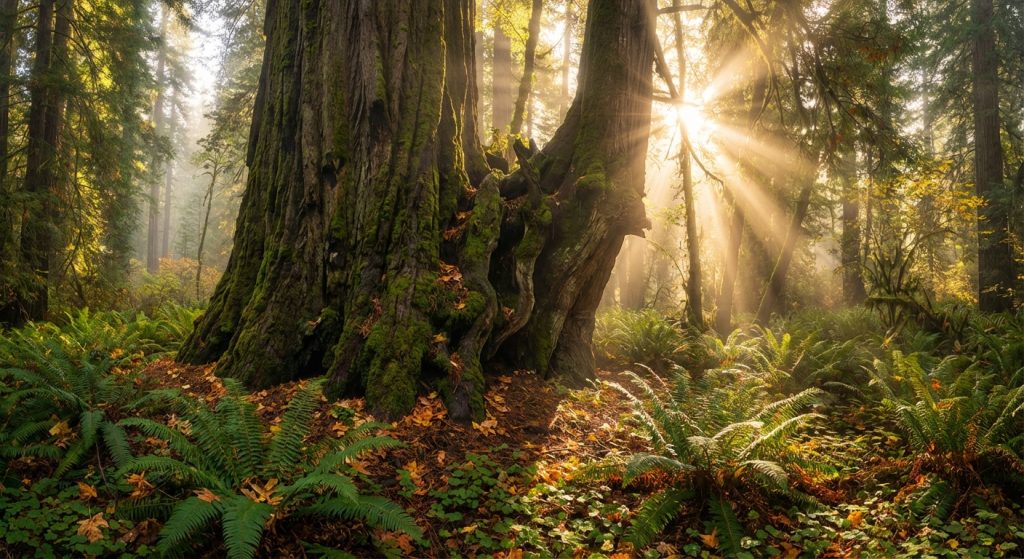
Ancient trees are more than just old plants. They are vital ecological powerhouses. Their long lives support diverse ecosystems. Therefore, protecting them is crucial for our planet’s health. These living monuments hold immense value. We must understand and preserve them.
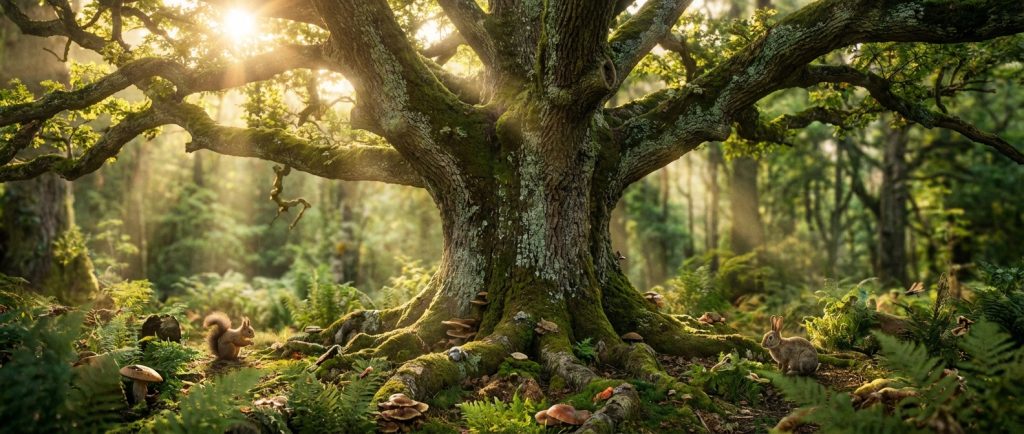
The Ecological Significance of Long-Lived Flora
Long-lived flora, especially ancient trees, provide irreplaceable ecological services. They act as keystone species. This means their presence profoundly impacts an entire ecosystem. Their sheer size and age create unique habitats. Many species rely on them for survival.
Habitat and Biodiversity Hotspots
Ancient trees offer homes to countless organisms. Their bark, branches, and roots become microhabitats. Birds nest in their hollows. Insects live in their decaying wood. Fungi thrive on their bark. For example, fungi play a vital role in forest ecosystems. Furthermore, these trees support a rich understory of plants. They provide food and shelter.
Biodiversity flourishes around ancient trees. They are often the oldest living things in a forest. This allows them to accumulate a wider range of associated species over time. Their complex structures create diverse niches. This supports a greater variety of life than younger, simpler trees.
Carbon Sequestration and Climate Regulation
Ancient trees are exceptional carbon sinks. They absorb vast amounts of carbon dioxide from the atmosphere. This process helps mitigate climate change. Their large biomass stores carbon for centuries. Therefore, their preservation is key to climate action. They also influence local climate. Their canopies provide shade. This cools the surrounding environment. Additionally, they release moisture through transpiration. This contributes to local rainfall patterns.
The role of forests in carbon capture is undeniable. Old-growth forests, dominated by ancient trees, are particularly effective. They have accumulated significant carbon over long periods. Protecting these forests is a direct way to combat global warming. For instance, old-growth forests are carbon capture champions.
Soil Health and Water Cycle Support
The root systems of ancient trees stabilize soil. They prevent erosion. Their falling leaves and branches enrich the soil. This decomposition adds vital nutrients. It supports a healthy soil microbiome. This is essential for plant growth. Moreover, these trees play a role in the water cycle. Their roots help water infiltrate the soil. This replenishes groundwater reserves. Their extensive canopies also intercept rainfall. This reduces runoff and soil erosion.
Healthy soil is fundamental to ecosystem function. Ancient trees contribute significantly to this. They create fertile ground for future generations of plants. Their presence fosters a robust and resilient environment. Understanding soil health is crucial for overall ecosystem vitality.
Threats Facing Ancient Trees
Despite their immense value, ancient trees face numerous threats. Human activities are the primary drivers of their decline. Understanding these threats is the first step toward protection.
Deforestation and Habitat Loss
Logging, agriculture, and urban development lead to deforestation. This directly removes ancient trees. It also fragments their habitats. Habitat loss displaces species that depend on them. This causes population declines. As a result, biodiversity suffers greatly. The loss of these trees has cascading effects. It disrupts entire ecological networks.
Forests are cleared for various reasons. This includes timber extraction and expanding farmland. Sadly, many ancient trees are felled in this process. This is especially true in old-growth forests. These forests are often targeted first. Consequently, unique ecosystems are destroyed.
Climate Change Impacts
Changing climate patterns stress ancient trees. Increased temperatures and altered rainfall patterns weaken them. Droughts make them more susceptible to disease and pests. Extreme weather events, like severe storms, can topple them. This is particularly true for trees already weakened by age or stress. Therefore, climate change exacerbates existing threats.
Some species are better adapted to certain climates. As climates shift, these trees may struggle to survive. They cannot migrate as quickly as their habitats change. This leads to die-offs in vulnerable regions. For example, breeding for heat and drought survival is becoming essential.
Pests and Diseases
Ancient trees can be vulnerable to specific pests and diseases. Their large size can make them targets. Stressed trees are often more susceptible. Introduced pests and diseases can be devastating. They may lack natural predators or resistance. For instance, the emerald ash borer has decimated ash trees. It is an invasive insect. It highlights the danger of introduced species.
These threats can spread rapidly. They can kill trees quickly. This leads to significant loss of old-growth stands. Managing these outbreaks is challenging. It often requires significant intervention. Therefore, monitoring tree health is vital.
Conservation Strategies for Ancient Trees
Protecting ancient trees requires a multi-faceted approach. It involves policy, research, and community engagement. Conservation efforts aim to preserve these natural wonders for the future.
Protected Areas and Legal Frameworks
Establishing protected areas is crucial. National parks and nature reserves safeguard ancient forests. Strong legal frameworks are also essential. These laws should prohibit illegal logging. They should also regulate land use. This ensures that development does not encroach on vital habitats. For example, urban rewilding initiatives can help integrate biodiversity into developed areas.
Governments play a key role. They can enact legislation to protect old-growth forests. International agreements also help. They promote cross-border conservation efforts. Therefore, a global commitment is necessary.
Restoration and Reforestation Efforts
Restoration projects aim to repair damaged ecosystems. This includes planting native tree species. It also involves managing invasive species. Reforestation efforts can help create new forests. However, they cannot replace the complexity of ancient ones. Restoration focuses on ecological integrity. It seeks to recreate natural processes. This can take centuries. It is important to protect existing ancient forests first.
Restoration is a long-term process. It requires dedication and resources. It aims to bring back lost habitats. This helps species recover. It also improves ecosystem services. For instance, restoring degraded lands is a key focus.
Public Awareness and Education
Educating the public is vital. People need to understand the value of ancient trees. Awareness campaigns can foster a sense of stewardship. This encourages community involvement in conservation. It can also influence consumer choices. For example, supporting sustainable forestry products is important. Education empowers individuals to act. It promotes responsible behavior. Children, especially, can learn to appreciate nature. This fosters a lifelong commitment to conservation.
Schools and community groups can play a role. They can organize tree planting events. They can also lead nature walks. This direct experience connects people to nature. It builds empathy and understanding. Therefore, education is a powerful tool for change.
The Future of Ancient Trees
The future of ancient trees depends on our actions today. Continued threats pose significant risks. However, growing awareness offers hope. Innovative conservation strategies are emerging. These include using technology for monitoring. They also involve community-based initiatives. Ultimately, preserving these natural giants is an investment. It is an investment in biodiversity, climate stability, and our planet’s future.
We must recognize their intrinsic value. They are not just resources. They are living legacies. They connect us to the past. They sustain the present. And they are essential for the future. Therefore, their protection is a shared responsibility.
Frequently Asked Questions (FAQ)
What defines an “ancient tree”?
An ancient tree is typically defined by its age and ecological significance within its environment. While specific age thresholds vary by species and region, they are generally considered to be the oldest living trees in a given area. They often exhibit signs of age like gnarled branches, large girth, and complex crown structures. Furthermore, they provide unique habitats for numerous species.
Why are ancient trees more ecologically valuable than younger trees?
Ancient trees possess greater ecological value due to their age, size, and complexity. They provide more diverse habitats, support a wider array of species, and store significantly more carbon. Their extensive root systems also contribute more to soil stability and water regulation. For example, they often host specialized fungi and insects that thrive only on mature wood.
How can I help protect ancient trees in my local area?
You can help by supporting local conservation organizations. Also, advocate for stronger protections for old-growth forests. Avoid purchasing wood products from unsustainable sources. Additionally, educate yourself and others about the importance of these trees. Participating in tree planting initiatives for native species is also beneficial.
Are there any technologies being used to monitor and protect ancient trees?
Yes, technologies like satellite imagery, drones, and LiDAR are used to monitor forest health and identify ancient trees. GIS mapping helps track their locations and assess threats. AI can analyze data to predict risks from pests or climate change. These tools aid conservationists in their efforts.
What is the role of fungi in supporting ancient trees?
Fungi, particularly mycorrhizal fungi, form symbiotic relationships with tree roots. They help trees absorb nutrients and water from the soil. In return, the fungi receive sugars produced by the tree through photosynthesis. This underground network is crucial for tree health and communication within the forest. Fungi are indeed unsung heroes of forest ecosystems.
