
Life’s Extremes: The Amazing World of Extremophiles
Published on February 4, 2026 by Admin
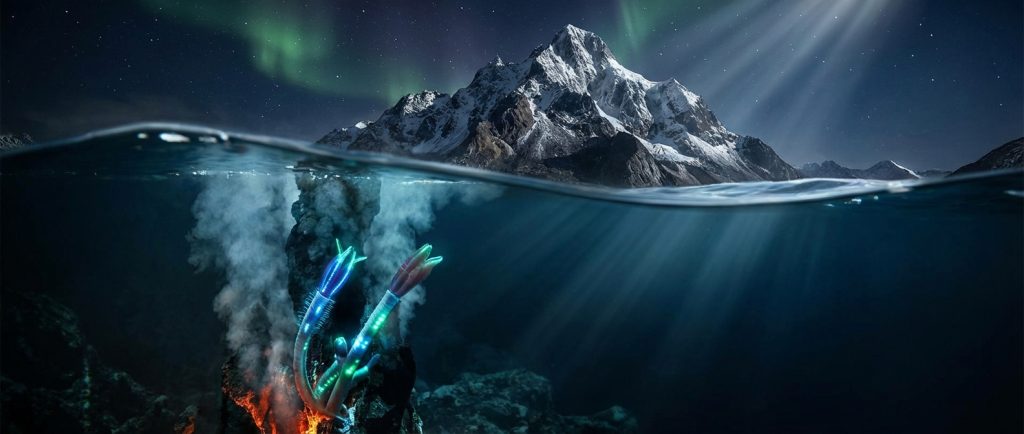
Life is remarkably diverse. It thrives in countless places across our planet. However, some life forms push the boundaries. They exist in environments most would consider uninhabitable. These organisms are called extremophiles. They live in places that are incredibly hot, cold, acidic, or even radioactive. Studying them reveals a lot about life’s resilience and adaptability. It also offers clues about life beyond Earth. Let’s dive into this fascinating world.
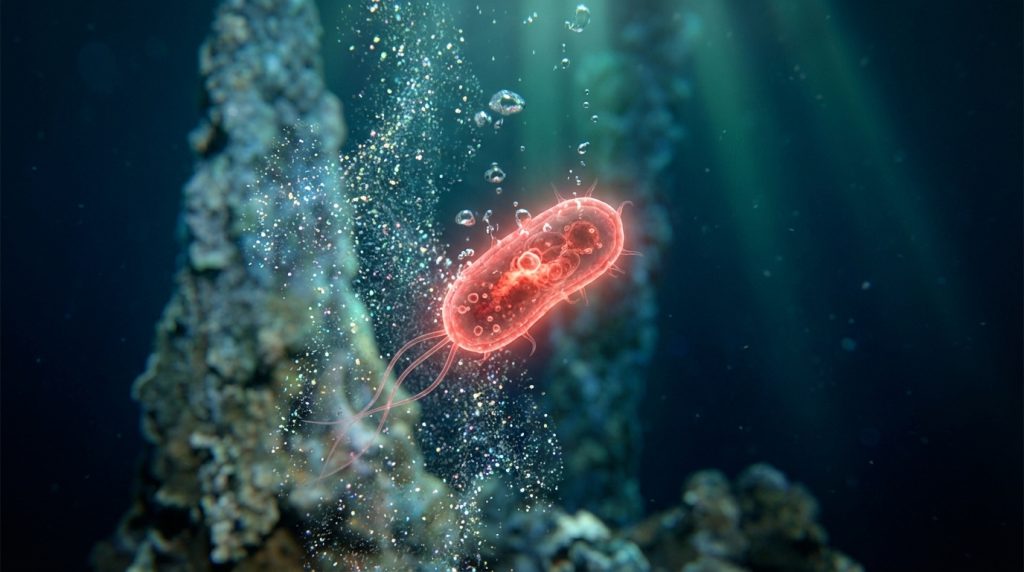
What Are Extremophiles?
Extremophiles are microorganisms. They flourish in extreme conditions. These conditions would kill most other life forms. The word “extremophile” means “extreme-lover.” This perfectly describes their habitat preference. They are not just surviving; they are thriving. Their unique biology allows them to do so. Scientists have discovered them in many harsh environments. These include deep-sea hydrothermal vents and boiling hot springs. They also inhabit highly acidic mine drainage and Antarctic ice. Even radioactive waste sites can host them.
The Diverse Habitats of Extremophiles
The environments these organisms inhabit are astonishing. They challenge our understanding of life’s limits. Many extremophiles are found in places with high temperatures. Others prefer extreme cold. Some live in highly acidic or alkaline conditions. Still others tolerate high pressure or radiation. Their ability to adapt is truly remarkable. It’s a testament to evolution’s power.
Types of Extremophiles and Their Environments
Extremophiles are categorized by the extreme conditions they endure. Each type has evolved specific adaptations. These adaptations are crucial for survival. Therefore, understanding these types helps us appreciate their resilience.
Thermophiles and Hyperthermophiles
Thermophiles love heat. They thrive in temperatures between 45°C and 80°C. Hyperthermophiles, however, love extreme heat. They live in temperatures above 80°C. Some can even survive above boiling point, at 100°C or more. These organisms are often found near geothermal activity. Examples include hot springs, geysers, and deep-sea hydrothermal vents. Their enzymes are stable at high temperatures. This is key to their survival. For instance, Taq polymerase, an enzyme from a thermophile, revolutionized DNA technology. It is used in PCR (polymerase chain reaction).
Psychrophiles
Psychrophiles are cold-loving organisms. They prefer temperatures below 15°C. Many live in polar regions and deep oceans. Their cell membranes have adaptations. These prevent them from solidifying in the cold. They also produce antifreeze proteins. These proteins prevent ice crystal formation within their cells.
Acidophiles and Alkaliphiles
Acidophiles thrive in acidic environments. Their optimal pH is below 3. Some can survive in pH as low as 0. These are often found in acid mine drainage or volcanic areas. Alkaliphiles, on the other hand, prefer alkaline conditions. Their optimal pH is above 9. They live in soda lakes or alkaline soils. Their cellular machinery is adapted to function in these extreme pH levels.
Halophiles
Halophiles are salt-loving organisms. They require high salt concentrations to grow. Some can tolerate salt levels up to ten times that of seawater. They are found in salt lakes and evaporation ponds. Their cells accumulate compatible solutes. These help balance osmotic pressure. This prevents water loss in their saline environments.
Barophiles (Piezophiles)
Barophiles, also known as piezophiles, love pressure. They live in deep-sea environments. Here, pressures can be hundreds or even thousands of times greater than at sea level. Their cell membranes and proteins are structurally adapted. This allows them to function under immense pressure. Studying them is challenging due to the difficulty of replicating these conditions in labs.
Radiodurans (Radioresistant Organisms)
Some organisms can withstand high levels of radiation. A prime example is Deinococcus radiodurans. This bacterium can survive radiation doses thousands of times higher than lethal doses for humans. It has incredibly efficient DNA repair mechanisms. These allow it to repair radiation-induced damage rapidly.
The Scientific and Practical Importance of Studying Extremophiles
The study of extremophiles is not just academic curiosity. It has profound scientific and practical implications. Their unique biochemical properties offer valuable insights and applications.
Biotechnology and Industrial Applications
Extremophiles produce enzymes and other molecules. These are often stable under harsh conditions. This makes them ideal for industrial processes. For example, enzymes from thermophiles are used in laundry detergents. They work effectively in hot water. They are also used in food processing and biofuel production. Research into halophiles might lead to new methods for desalinating water. Acidophiles’ ability to break down minerals is useful in mining. This process is called biomining. It offers a more environmentally friendly way to extract metals.
Astrobiology and the Search for Extraterrestrial Life
Extremophiles provide a model for life in extreme extraterrestrial environments. They expand our definition of where life can exist. If life can survive on Earth in such harsh places, it might exist elsewhere. Places like Mars, Europa (a moon of Jupiter), and Enceladus (a moon of Saturn) have extreme conditions. Studying extremophiles helps astrobiologists. It informs the design of missions searching for alien life. For instance, life found in subsurface oceans of icy moons would likely be extremophilic.
The search for life beyond Earth is a major scientific endeavor. Understanding plant adaptation to extreme environments gives us further clues about life’s potential.
Understanding Life’s Origins and Evolution
Some scientists hypothesize that early Earth was a very harsh place. Life may have originated in extreme environments. Therefore, studying extremophiles can shed light on the earliest forms of life. They might represent ancient lineages. Their genetic makeup could reveal secrets about life’s evolutionary history. This is similar to how studying ancient plants helps us understand past ecosystems.
Challenges in Studying Extremophiles
Despite their importance, studying extremophiles presents challenges. Replicating their extreme habitats in a laboratory is difficult. This requires specialized equipment. For example, high-pressure and high-temperature reactors are needed. Collecting samples from deep-sea vents or hot springs is also hazardous. Furthermore, many extremophiles are difficult to culture in standard lab conditions. This means their full potential may not yet be realized.
The Future of Extremophile Research
The field of extremophile research is continually expanding. New discoveries are made regularly. Advanced genomic and proteomic techniques are revealing more about their complex adaptations. The potential applications in medicine, industry, and environmental science are vast. For instance, novel antibiotics or enzymes could be discovered. Furthermore, their role in bioremediation is being explored. This involves using them to clean up pollutants. As we continue to explore Earth’s most inhospitable environments, we will undoubtedly find more extremophiles. Each discovery will offer new insights into life’s incredible tenacity.
Frequently Asked Questions (FAQ)
What is the most extreme environment where life has been found?
While “most extreme” can be subjective, life has been found in environments with extremely high temperatures (hyperthermophiles), high radiation (like Deinococcus radiodurans), crushing pressures in the deep sea (barophiles), and highly acidic or alkaline conditions (acidophiles and alkaliphiles).
Can extremophiles be harmful to humans?
Most extremophiles are not pathogenic to humans. They are adapted to conditions that are not conducive to human life. However, some bacteria found in hot springs or other environments could potentially cause infections if introduced into a vulnerable system. It is always best to exercise caution when dealing with any microorganisms.
How do extremophiles survive such harsh conditions?
Extremophiles have evolved specialized cellular structures and biochemical processes. This includes unique enzymes that function at extreme temperatures or pH levels, specialized cell membranes that remain fluid in the cold or stable under pressure, and highly efficient DNA repair mechanisms to combat radiation damage.
Are extremophiles only found in extreme environments?
While they are defined by their ability to thrive in extreme conditions, some extremophiles can also be found in more moderate environments. However, their unique biochemical machinery is what allows them to survive and even flourish where other life cannot.
What is the role of extremophiles in the environment?
Extremophiles play crucial roles in their respective ecosystems. For example, they are involved in nutrient cycling in extreme environments. Some acidophiles help in the breakdown of minerals, which can be harnessed for mining. They are also vital in understanding the limits of life and the potential for life elsewhere in the universe.
Conclusion
Extremophiles are a constant reminder of life’s incredible adaptability and resilience. They push the boundaries of what we consider possible. Studying these organisms not only deepens our understanding of biology and evolution but also opens doors to groundbreaking applications. From industrial processes to the search for extraterrestrial life, extremophiles offer a window into the extraordinary capabilities of life on Earth. Their continued study promises further innovations and a richer appreciation for the planet’s biodiversity.
