
Wetlands: Nature’s Indispensable Freshwater Filters
Published on February 4, 2026 by Admin
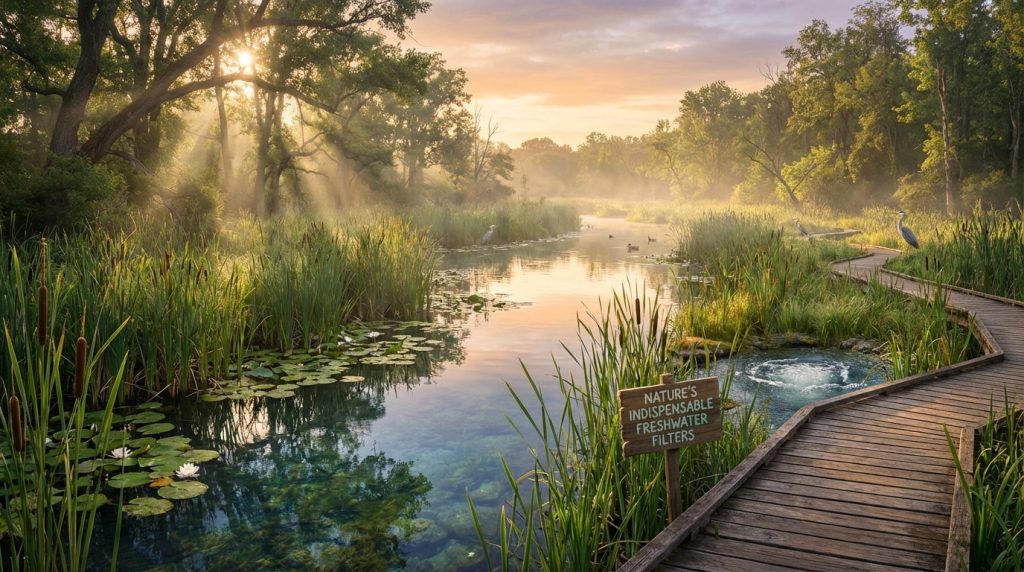
Wetlands are vital ecosystems. They play a crucial role in our planet’s health. Specifically, they are essential for purifying freshwater. These watery landscapes act as natural filters. They clean water before it reaches our rivers and oceans. Understanding wetland ecology is therefore important. It helps us appreciate their value. It also highlights the need for their conservation.
The Ecological Powerhouse of Wetlands
Wetlands are diverse environments. They include marshes, swamps, bogs, and fens. Each type has unique characteristics. However, they all share a common function. This function is water purification. Wetlands are incredibly productive ecosystems. They support a vast array of plant and animal life. Many species depend on wetlands for survival. These include migratory birds, amphibians, and fish.
How Wetlands Filter Water
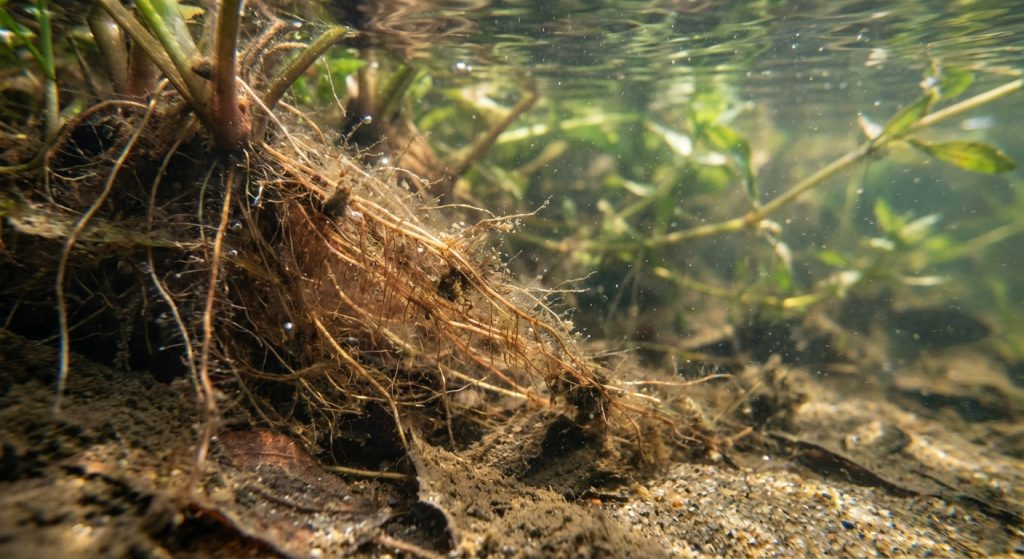
Wetlands act as natural water treatment plants. They remove pollutants in several ways. Firstly, vegetation plays a key role. Wetland plants absorb excess nutrients. These nutrients can come from fertilizers and sewage. Absorbing them prevents eutrophication in larger water bodies. Eutrophication can harm aquatic life. It leads to algal blooms and oxygen depletion.
Secondly, wetland soils trap sediments. As water flows slowly through wetlands, suspended particles settle. This process removes turbidity. It makes the water clearer. It also prevents sediment buildup downstream. This sediment can smother habitats. It can also clog water intake structures.
Furthermore, the microbial communities in wetlands are vital. Microorganisms break down organic matter. They also transform harmful substances. For instance, they can convert nitrates into nitrogen gas. This process is called denitrification. It removes nitrogen from the water. Other microbes can break down pesticides and heavy metals. Therefore, wetlands significantly improve water quality.
Biodiversity Hotspots and Habitat Providers
Wetlands are biodiversity hotspots. They provide essential habitats. Many species cannot survive without them. For example, migratory birds rely on wetlands. They use them as resting and feeding grounds during their journeys. These stopover sites are critical for their survival. Without healthy wetlands, these birds would struggle to complete their migrations.
Amphibians, like frogs and salamanders, also depend heavily on wetlands. They lay their eggs in the water. Their larvae develop in these environments. Wetlands provide the necessary moisture and food sources for these sensitive creatures. The decline of amphibian populations is often linked to wetland loss. You can learn more about amphibian decline and its causes in our article on amphibian decline.
Fish species also benefit greatly. Many fish use wetlands as nurseries. Young fish find shelter and food here. This protects them from predators. It allows them to grow to adulthood. Wetlands also support healthy fish populations in connected rivers and lakes. The health of freshwater fish populations is closely tied to the health of their wetland habitats.
Wetlands as Natural Flood Control Systems
Beyond water filtration, wetlands offer another critical service. They act as natural sponges. Wetlands absorb excess rainwater and floodwaters. This capacity helps to reduce flooding downstream. They store water during heavy rainfall. Then, they release it slowly over time. This mitigates flood peaks. It protects communities from damaging floods.
This flood control function is increasingly important. Climate change is leading to more extreme weather events. This includes intense rainfall and flooding. Wetlands provide a cost-effective and natural solution. They help build resilience against these events. Protecting wetlands is therefore a key strategy for disaster risk reduction.
Combating Drought and Maintaining Water Flow
Conversely, wetlands also play a role in maintaining water flow during dry periods. The water stored in wetlands is released gradually. This replenishes groundwater. It also feeds rivers and streams. This steady supply of water is crucial. It supports ecosystems and human water needs during droughts.
Healthy wetlands can therefore help mitigate drought impacts. They ensure a more consistent water supply. This is vital for agriculture and drinking water. The ecological services provided by wetlands are multifaceted. They support both water quantity and quality.
Threats to Wetland Ecosystems
Despite their immense value, wetlands face numerous threats. Human activities are the primary drivers of wetland degradation. Habitat destruction is a major issue. Wetlands are often drained and converted for agriculture. They are also developed for urban and industrial expansion. This loss of habitat is devastating for wetland species.
Pollution is another significant threat. Runoff from farms and cities carries pollutants. These include pesticides, fertilizers, and industrial waste. These contaminants degrade water quality. They harm aquatic life. They can also disrupt the delicate balance of the ecosystem. The impact of plastics on aquatic food webs is a related concern, as detailed in our article on plastic pollution in aquatic ecosystems.
Invasive species can also disrupt wetland ecology. These non-native species often outcompete native plants and animals. They can alter food webs. They can change habitat structure. This further degrades the ecosystem’s health and function.
Conservation Efforts and Restoration
Fortunately, there is growing recognition of wetland importance. Conservation efforts are underway worldwide. These efforts aim to protect existing wetlands. They also focus on restoring degraded ones. Restoration projects can involve reintroducing native vegetation. They can also involve managing water flow. Sometimes, removing invasive species is necessary.
Community involvement is key to successful conservation. Local communities can help monitor wetlands. They can participate in restoration activities. Education also plays a vital role. Raising public awareness about wetland values is crucial. This fosters a sense of stewardship.
Governments and non-governmental organizations are also active. They implement policies to protect wetlands. They fund research and conservation projects. International agreements also exist to safeguard these vital habitats. Protecting wetlands is a shared responsibility. It requires collaboration across sectors.
The Economic and Social Benefits of Wetlands
The benefits of wetlands extend beyond ecological services. They also provide significant economic and social advantages. Wetlands support industries like fishing and tourism. They provide recreational opportunities. Activities such as birdwatching, kayaking, and nature photography are popular. These activities generate income for local communities.
Furthermore, wetlands provide valuable resources. They are sources of food, timber, and medicinal plants. They also contribute to cultural heritage. Many communities have deep connections to their local wetlands. Preserving these ecosystems maintains this cultural link.
Conclusion: Valuing Our Freshwater Filters
In conclusion, wetlands are indispensable ecosystems. They are essential filters for our freshwater resources. Their ability to purify water, control floods, and support biodiversity is unparalleled. They also offer substantial economic and social benefits. Despite their importance, wetlands are under severe threat. Habitat destruction and pollution are major concerns.
Therefore, urgent action is needed. We must prioritize wetland conservation and restoration. This involves policy changes, community engagement, and increased awareness. By valuing and protecting our wetlands, we safeguard our freshwater future. We also ensure a healthier planet for generations to come.
Frequently Asked Questions (FAQ)
What are the main types of wetlands?
The main types of wetlands include marshes, swamps, bogs, and fens. Marshes are dominated by herbaceous plants. Swamps are characterized by woody trees and shrubs. Bogs are acidic wetlands with mosses. Fens are less acidic than bogs and have a wider variety of plants.
How do wetlands remove pollutants from water?
Wetlands remove pollutants by trapping sediments, absorbing excess nutrients through plants, and breaking down contaminants with microorganisms. The slow water flow allows suspended particles to settle out. Plant roots absorb nutrients like nitrogen and phosphorus. Microbes in the soil transform harmful substances.
Why are wetlands important for wildlife?
Wetlands are critical habitats for a vast array of wildlife. They provide essential breeding grounds, feeding areas, and resting places for many species, including migratory birds, amphibians, fish, and insects. Their unique environment supports a rich food web.
Can wetlands help with climate change adaptation?
Yes, wetlands play a significant role in climate change adaptation. They act as natural buffers against extreme weather events like floods and storms. They also help mitigate drought by storing and releasing water slowly. Their capacity to store carbon is also beneficial.
What are the biggest threats to wetlands today?
The biggest threats to wetlands include habitat destruction due to draining for agriculture and development, pollution from agricultural runoff and industrial discharge, and the spread of invasive species that disrupt native ecosystems.
