
Ocean Acidification: A Silent Threat to Marine Life
Published on February 4, 2026 by Admin
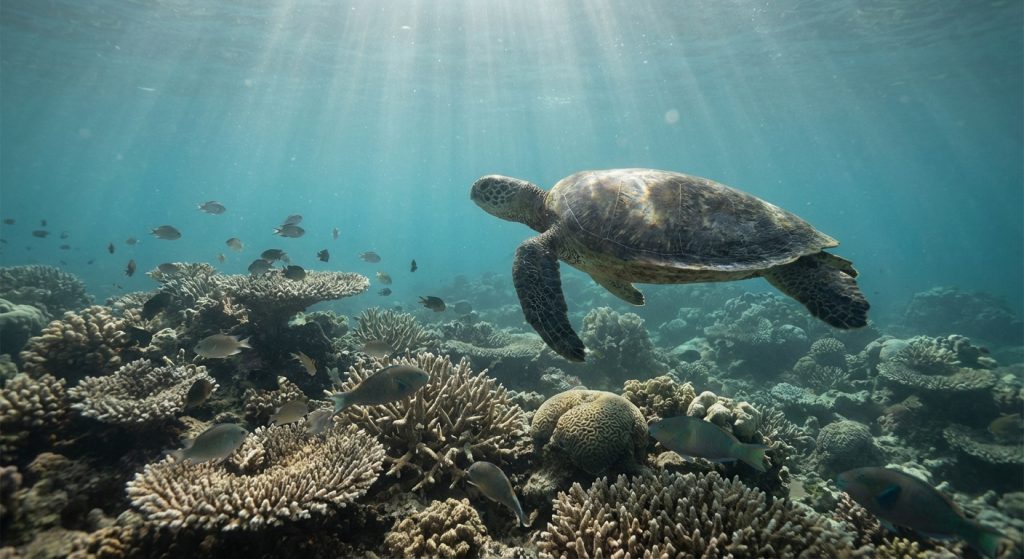
Our oceans are changing. They are becoming more acidic. This is a serious problem. It affects marine life and ocean chemistry. Understanding this impact is crucial. We need to protect our planet’s blue heart.
What is Ocean Acidification?
Ocean acidification is a direct result of increased carbon dioxide (CO2) in the atmosphere. When we burn fossil fuels, CO2 is released. A large portion of this CO2 is absorbed by the oceans. This absorption changes the ocean’s chemistry. Specifically, it lowers the pH. This process is known as ocean acidification.
The ocean acts like a sponge. It absorbs about 30% of the CO2 we emit. As CO2 dissolves in seawater, it forms carbonic acid. This acid then releases hydrogen ions. These ions increase the acidity of the water. Therefore, the ocean’s pH decreases. It is important to note that the ocean is not becoming acidic in the sense of being a strong acid. It is becoming less alkaline. The pH is dropping from about 8.1 to 8.0. This might seem small. However, it represents a significant change in chemistry.
The Chemical Reaction Explained
The chemical process is straightforward. CO2 + H2O forms H2CO3 (carbonic acid). Then, H2CO3 dissociates into H+ (hydrogen ions) and HCO3- (bicarbonate ions). The increase in H+ ions is what lowers the pH. This also reduces the availability of carbonate ions (CO32-). Carbonate ions are essential building blocks for many marine organisms.
This reduction in carbonate ions is a major concern. Many marine creatures use these ions. They use them to build shells and skeletons. Examples include corals, shellfish, and plankton. When carbonate ions are scarce, these organisms struggle to survive. Their ability to grow and reproduce is severely impacted. Consequently, entire marine ecosystems are at risk.
Impacts on Marine Life
The effects of ocean acidification are widespread. They touch many different marine species. Some are more vulnerable than others. The impact varies depending on the organism and its life stage.
Shellfish and Corals: The Most Vulnerable
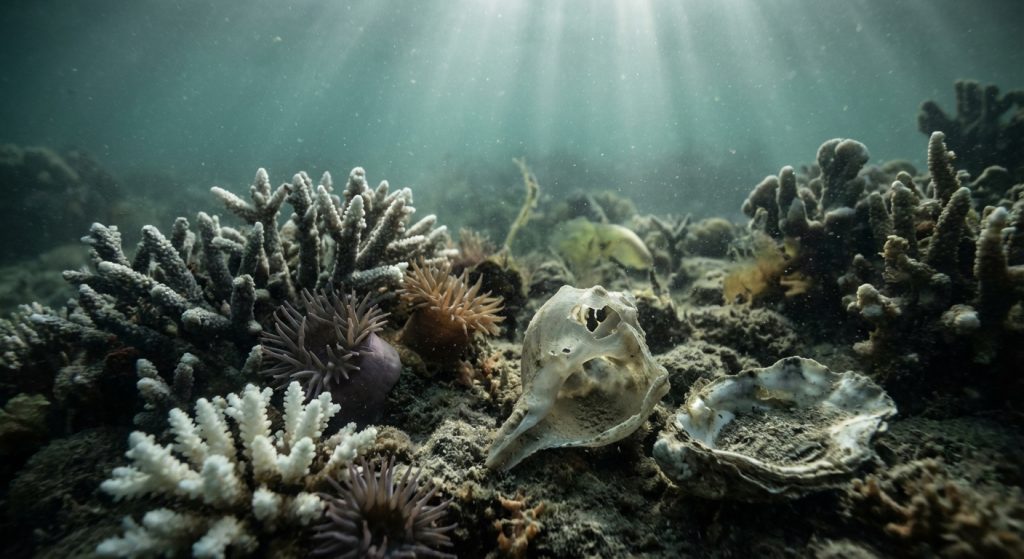
Shellfish, like oysters and clams, are highly susceptible. Their ability to form and maintain their shells is compromised. Young shellfish are particularly at risk. They may not be able to develop shells at all. This can lead to mass die-offs. Coral reefs are also severely affected. Corals build their skeletons from calcium carbonate. Ocean acidification makes it harder for them to build these structures. This weakens the reefs. It makes them more vulnerable to damage. Healthy coral reefs are vital. They support a vast array of marine biodiversity. Their decline has cascading effects throughout the food web.
Furthermore, the shells that are formed may be thinner and weaker. This makes them more prone to breakage. Predation also becomes a greater threat. The structural integrity of these organisms is compromised. This directly impacts their survival rates.
Plankton: The Base of the Food Web
Plankton, though small, are fundamental to marine ecosystems. Many types of plankton, like pteropods (sea butterflies), are calcifiers. They create shells from calcium carbonate. Ocean acidification threatens their existence. As the base of the food web, the decline of plankton has severe consequences. It affects the animals that feed on them. This includes fish, whales, and seabirds. Therefore, the impact ripples upwards through the entire ecosystem.
Pteropods are a key food source for many larger marine animals. Their disappearance from certain areas is already being observed. This is a stark warning sign. It indicates the scale of the problem.
Fish and Other Marine Organisms
While shellfish and corals are most visibly affected, fish are not immune. Some studies suggest that increased acidity can affect fish behavior. This includes their sense of smell and hearing. It can also impact their ability to detect predators or find food. This is especially true for larval fish. They are more sensitive to changes in water chemistry. Their survival rates can be significantly reduced. This, in turn, can affect fish populations.
Other marine organisms, like sea urchins and sea stars, also build calcium carbonate structures. They too face challenges in forming and maintaining them. The overall health and diversity of marine life are at stake.
Broader Ecosystem and Economic Impacts
The consequences of ocean acidification extend beyond individual species. They affect entire ecosystems. They also have significant economic implications.
Disruption of Marine Food Webs
As mentioned, the impact on plankton and shellfish can destabilize food webs. When a foundational species declines, the entire structure can collapse. This can lead to a loss of biodiversity. It can also lead to a decrease in the abundance of commercially important fish species. The interconnectedness of marine life means that changes at one level affect all others.
Therefore, the health of the ocean is intricately linked. Disrupting one part of the system can have unforeseen and far-reaching consequences. This is a clear example of how delicate marine ecosystems are.
Economic Consequences
Industries that rely on healthy oceans are at risk. This includes fisheries and tourism. Shellfish aquaculture, in particular, is vulnerable. The ability of oysters, clams, and mussels to grow is directly threatened. This can lead to substantial economic losses for coastal communities. Coral reefs are also vital for tourism. Their degradation can harm economies that depend on diving and snorkeling. Ultimately, a less healthy ocean means fewer resources for human use.
The fishing industry faces challenges too. Declining fish populations due to food web disruptions will impact livelihoods. The economic value of these marine resources is immense. Protecting them is not just an environmental issue. It is also an economic imperative. For instance, research into blue economy investment highlights the significant financial potential of healthy oceans.
What Can Be Done?
Addressing ocean acidification requires global action. It is a complex problem with no single easy solution. However, several strategies can help mitigate its effects.
Reducing Carbon Dioxide Emissions
The most critical step is reducing CO2 emissions. This means transitioning to renewable energy sources. It also involves improving energy efficiency. Furthermore, promoting sustainable transportation and land use practices are essential. Addressing the root cause of increased atmospheric CO2 is paramount. Technologies like carbon capture are also being developed to remove CO2 from the atmosphere.
Therefore, policies aimed at reducing greenhouse gas emissions are vital. International cooperation is key to achieving meaningful reductions. Every effort to lower our carbon footprint helps. This includes individual actions as well as large-scale industrial changes.
Protecting and Restoring Marine Ecosystems
Strengthening marine ecosystems can enhance their resilience. This includes reducing other stressors like pollution and overfishing. Establishing marine protected areas can help. These areas provide safe havens for marine life. They allow ecosystems to recover and adapt. Restoring damaged habitats, such as coral reefs and kelp forests, is also important.
For example, efforts to restore coral and seagrass are crucial. They can help buffer some of the impacts of acidification. Protecting these vital habitats is key to maintaining ocean health.
Further Research and Monitoring
Continued research is necessary. We need to better understand the complex impacts of ocean acidification. Monitoring ocean chemistry and marine life is also essential. This helps us track changes. It also informs conservation efforts. Investing in scientific research provides the data needed for effective action.
Frequently Asked Questions (FAQ)
Is ocean acidification the same as ocean warming?
No, they are different but related issues. Ocean warming is caused by the same increase in greenhouse gases that causes ocean acidification. While warming affects marine life by altering temperatures and causing deoxygenation, acidification changes the ocean’s basic chemistry by lowering pH. Both pose significant threats to marine ecosystems.
Can marine life adapt to ocean acidification?
Some marine organisms may have a limited capacity to adapt over long evolutionary timescales. However, the current rate of acidification is unprecedented. It is happening much faster than most species can adapt. Therefore, adaptation is unlikely to keep pace with the rapid environmental changes.
What are the signs of ocean acidification I might see?
You might not see obvious signs of acidification directly. However, you might observe declining populations of shellfish, weaker coral structures, or changes in the abundance of certain marine species. These are indirect indicators of the underlying chemical changes.
How does ocean acidification affect human health?
Direct impacts on human health are limited. However, indirect impacts are significant. This includes reduced availability of seafood, which is a crucial food source for many populations worldwide. Economic impacts on coastal communities can also indirectly affect human well-being.
Conclusion
Ocean acidification is a serious global challenge. It poses a significant threat to marine life and ecosystems. The chemical changes occurring in our oceans are alarming. They impact everything from microscopic plankton to majestic coral reefs. Furthermore, these changes have profound economic and social consequences.
Therefore, urgent action is required. Reducing carbon dioxide emissions is the most critical step. Protecting and restoring marine environments is also vital. Continued research and monitoring are essential. By working together, we can strive to protect our oceans for future generations. It is our shared responsibility to ensure a healthy planet. The fate of marine life, and indeed our own, depends on it.
