
Nature’s Living Lights: The Magic of Bioluminescence
Published on February 4, 2026 by Admin
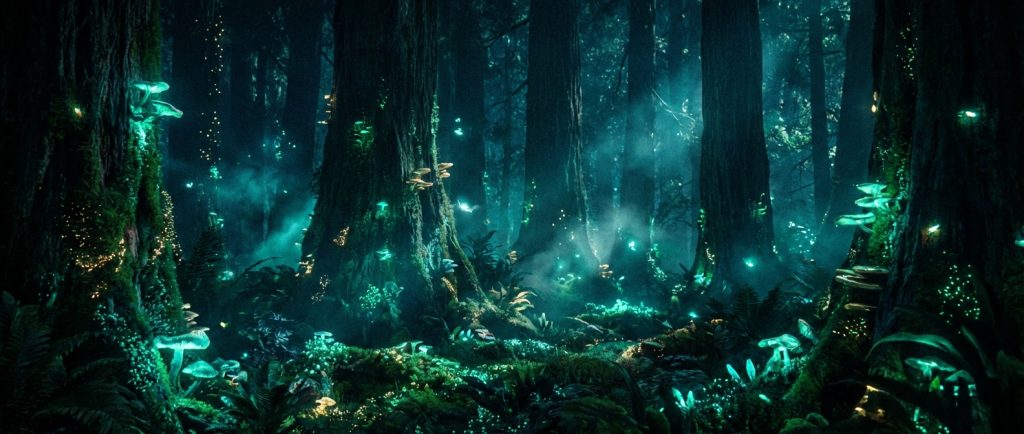
Nature holds many wonders. One of the most enchanting is bioluminescence. This is the ability of living organisms to produce their own light. It is a truly captivating phenomenon. Imagine a dark forest illuminated by glowing fungi. Or the ocean depths sparkling with the lights of unseen creatures. Bioluminescence transforms the natural world. It serves many vital purposes for the organisms that possess it.
This article explores this incredible natural light show. We will delve into the science behind it. We will also discover where it occurs. Furthermore, we will examine its many functions.
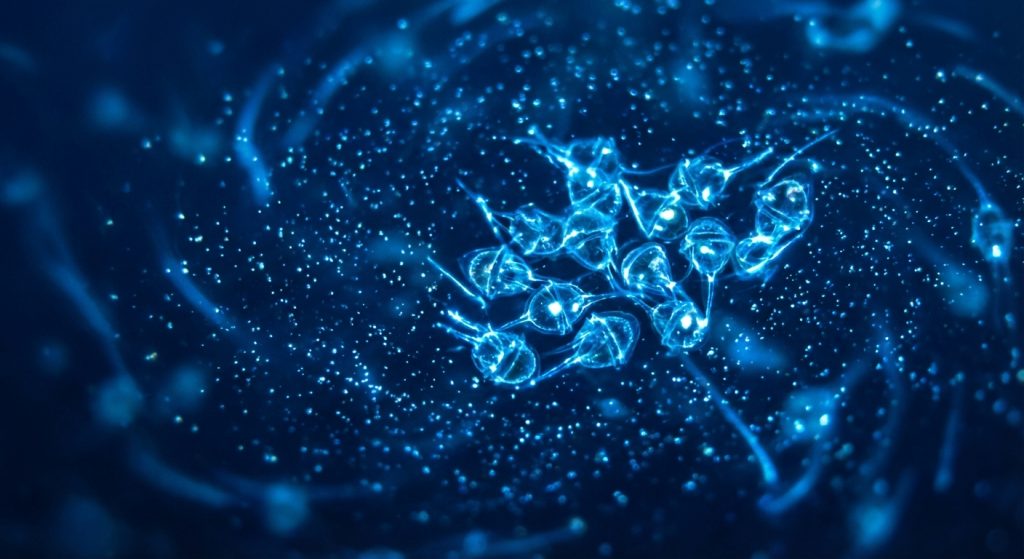
What is Bioluminescence?
Bioluminescence is a chemical reaction. It happens inside living organisms. This reaction produces light. It is often called “cold light.” This is because very little heat is generated. It is unlike incandescent light bulbs. Those produce a lot of heat.
The key components are usually a molecule called luciferin. There is also an enzyme called luciferase. Luciferase acts as a catalyst. It speeds up the reaction. When luciferin reacts with oxygen, light is emitted. This process can vary between different species. However, the basic principle remains the same.
The Chemistry of Light
The chemical reaction is quite efficient. It converts chemical energy directly into light energy. This is a remarkable feat of natural engineering. Different organisms have evolved slightly different luciferins and luciferases. This results in variations in the color and intensity of the light produced. For example, some organisms emit blue or green light. Others can produce yellow or even red light.
This biochemical process is fascinating. It has been studied extensively. Scientists are also exploring its potential applications. For instance, it can be used in research. It helps in tracking biological processes. It can also be used in medical imaging.
Where Do We Find Bioluminescence?
Bioluminescence is widespread. It is found across many different groups of organisms. It occurs on land and in the sea. However, it is most common in the oceans. In fact, it is estimated that most deep-sea creatures are bioluminescent.
In the Ocean Depths
The deep ocean is a world of perpetual darkness. Here, bioluminescence is essential for survival. Many fish, squid, and jellyfish produce their own light. Some bacteria are also bioluminescent. They often live in symbiosis with larger animals.
For example, the anglerfish is famous for its lure. This glowing appendage attracts unsuspecting prey. Many squid use bioluminescent ink. This can startle predators or create a diversion. Jellyfish often flash their lights. This can warn off predators or attract mates.
On Land
While less common than in the sea, bioluminescence also exists on land. The most well-known examples are fireflies. These insects use their light for communication. They flash in specific patterns. This helps them find mates. It is a beautiful sight on a summer evening.
Other terrestrial organisms include certain fungi. These are often called “foxfire.” They can make dead wood glow in forests. This creates an eerie, magical ambiance. Some millipedes and earthworms also exhibit bioluminescence. Their purpose for doing so is still being studied.
Functions of Bioluminescence
Bioluminescence is not just for show. It serves critical survival functions for organisms. These functions are diverse and often ingenious.
Attracting Prey
Some predators use light to lure their meals. The anglerfish is a prime example. Its glowing lure mimics small prey. This attracts curious fish right to its mouth. It is a very effective hunting strategy in the dark.
Defense Against Predators
Light can also be used as a defense mechanism. Some organisms produce a bright flash. This can startle a predator. It might give the prey a chance to escape. Others release a cloud of bioluminescent material. This can act as a decoy. The predator might attack the glowing cloud. Meanwhile, the prey swims away into the darkness.
Furthermore, some creatures use counter-illumination. They produce light on their undersides. This matches the faint light from the surface. It makes them harder for predators below to see. This is a clever form of camouflage.
Communication and Mating
Bioluminescence plays a vital role in communication. Fireflies use their flashing patterns. These are like unique Morse codes. Each species has a distinct signal. This helps them find compatible mates. It prevents them from mating with the wrong species.
In the deep sea, light signals are also used for mating. Some species may signal their readiness to mate. Others might use specific patterns to identify their own kind. This is crucial in a vast, dark environment.
Illumination
A few deep-sea fish have evolved structures. These structures contain bioluminescent bacteria. They act like headlights. They help the fish to see their surroundings. This allows them to navigate and find food more effectively. It is a remarkable adaptation to extreme conditions.
Bioluminescence in Research and Technology
The study of bioluminescence has led to many advancements. Scientists use bioluminescent molecules in various fields.
Biomedical Research
Luciferin and luciferase are powerful tools. They are used as reporter genes. They can track gene expression. They can also monitor cellular processes. For example, researchers can see if a gene is active. They do this by measuring the light produced. This is invaluable for understanding diseases. It also aids in developing new treatments.
Moreover, bioluminescence imaging (BLI) is used. It allows non-invasive tracking of cells. This can be done in living animals. It is used in cancer research. It is also used in studying infections. This technology has revolutionized many areas of biology.
Environmental Monitoring
Bioluminescent bacteria can also be used to detect pollution. Some bacteria glow brightly. However, certain toxins can inhibit their light production. Therefore, a decrease in light indicates the presence of pollutants. This provides a quick and easy way to monitor water quality.
Potential for Sustainable Lighting
There is also interest in using bioluminescence for lighting. Imagine streetlights powered by glowing organisms. This could be a sustainable alternative to electric lights. While still in early stages, it holds promise. It is an exciting area of bio-inspired technology.
The potential for bio-inspired solutions is vast. For instance, researchers are exploring similar principles in other areas, such as understanding bio-luminescence as a future for sustainable street lighting.
FAQs About Bioluminescence
Is bioluminescence the same as fluorescence?
No, they are different. Fluorescence requires an external light source to absorb energy. It then re-emits that light. Bioluminescence, on the other hand, is generated internally through a chemical reaction. It does not need an external light source.
Can humans be bioluminescent?
Humans cannot naturally produce their own light. There are no known genes for bioluminescence in humans. However, through scientific intervention, it might be theoretically possible. This is a complex area of genetic engineering.
What is the most common color of bioluminescence?
The most common colors are blue and green. This is because these wavelengths travel farthest in water. Therefore, they are most effective in marine environments.
Are all glowing organisms bioluminescent?
No, not all glowing organisms are bioluminescent. Some organisms glow due to fluorescence. Others might glow due to phosphorescence. Bioluminescence specifically refers to light produced by a chemical reaction within the organism.
Can bioluminescence be harmful?
Generally, bioluminescence itself is not harmful. It is a natural biological process. However, some organisms that are bioluminescent might be toxic or dangerous for other reasons. But the light production itself is benign.
Conclusion
Bioluminescence is a testament to nature’s creativity. It is a beautiful and functional phenomenon. From the deep sea to our forests, living light illuminates the world. It plays crucial roles in survival. It also inspires scientific innovation. As we continue to study it, we uncover more of its secrets. This magical glow reminds us of the incredible diversity of life on Earth. It also highlights the intricate ways organisms interact with their environments. The study of nature’s light continues to shine a light on new possibilities.
