
Habitat Fragmentation: The Silent Killer of Wildlife
Published on February 4, 2026 by Admin
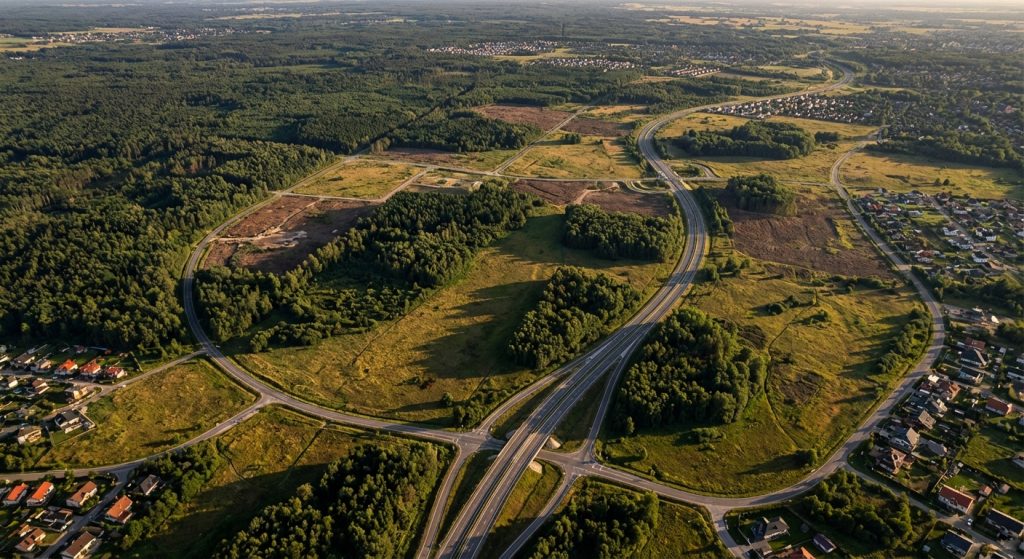
Imagine a vast, lush forest. Now, picture it broken into tiny, isolated islands by roads, farms, and cities. This is habitat fragmentation. It’s a growing threat. It silently isolates animal populations. This isolation has severe consequences for biodiversity. It can lead to species decline. It can even drive species to extinction.
Fragmentation changes landscapes. It breaks up large, continuous habitats. These smaller pieces are often disconnected. They become like islands in a sea of human development. This is a major driver of biodiversity loss worldwide. It affects countless species. It impacts ecosystems profoundly.
What is Habitat Fragmentation?
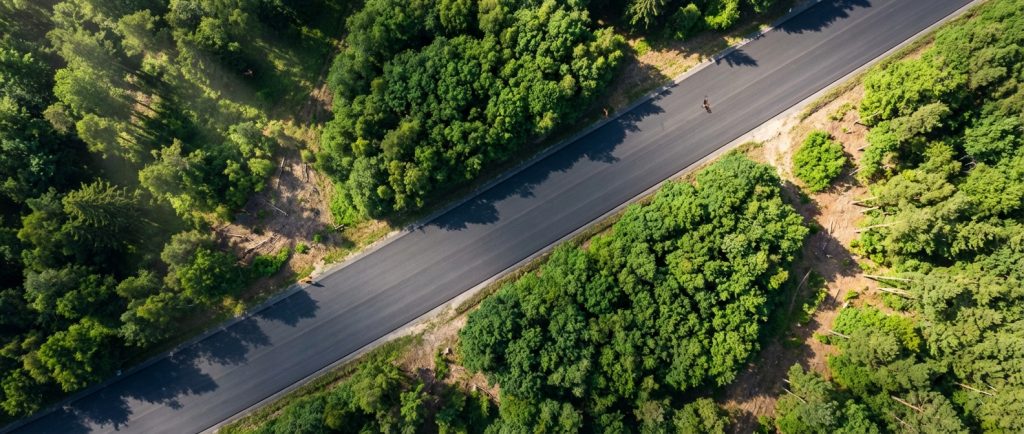
Habitat fragmentation occurs when large, contiguous areas of habitat are divided into smaller, isolated patches. This process is primarily driven by human activities. These include agriculture, urbanization, infrastructure development like roads and dams, and logging. As a result, the original habitat is reduced in size and broken into pieces.
These patches are often separated by non-habitat areas. These barriers can be roads, agricultural fields, or urban sprawl. Therefore, animals can no longer move freely between these fragments. This limits their access to food, water, and mates. It also hinders their ability to escape predators or find suitable breeding grounds.
The Consequences for Animal Populations
The impact of habitat fragmentation on animal populations is multifaceted and severe. Firstly, it directly reduces the amount of available living space. For many species, this means less food and fewer resources. This scarcity can lead to increased competition and stress.
Secondly, fragmentation creates smaller populations. Smaller populations are more vulnerable. They face increased risks from inbreeding. They also have a reduced ability to adapt to environmental changes. Genetic diversity often declines significantly. This makes them less resilient to diseases or climate shifts. For example, a study highlighted the importance of genetic diversity for species survival.
Moreover, the edges of habitat fragments are different from the interior. These “edge effects” can be detrimental. They often experience altered microclimates. This includes changes in temperature, humidity, and light. Predators and invasive species may also be more prevalent at the edges. This can further stress native wildlife.
Reduced Gene Flow and Inbreeding
One of the most critical consequences is the reduction in gene flow. When populations are isolated, individuals cannot easily find mates from other groups. Consequently, they are forced to breed with closely related individuals. This leads to inbreeding. Inbreeding can reduce the fitness of offspring. It can also increase the expression of harmful recessive genes. Over time, this genetic bottleneck weakens the population. It makes them less likely to survive in the long term.
Increased Vulnerability to Extinction
The combined effects of reduced resources, smaller population sizes, and inbreeding significantly increase a species’ vulnerability to extinction. Isolated populations are less able to recover from disturbances. For instance, a disease outbreak could wipe out a small, isolated group. Similarly, a natural disaster might eliminate a population entirely. Without the possibility of recolonization from other areas, extinction becomes a very real threat. Conservation efforts often focus on connecting these fragmented habitats to mitigate this risk.
Altered Behavior and Migration Patterns
Habitat fragmentation also disrupts animal behavior. Many species have specific migration routes. These routes are often blocked by human infrastructure. Roads are a major hazard. They cause significant wildlife mortality. Animals may be forced to find new, often suboptimal, routes. This expends more energy. It also increases their exposure to dangers. For example, the science of animal navigation shows how critical established pathways are.
Furthermore, fragmentation can affect foraging patterns. Animals may have to travel further to find food. This increases their vulnerability to predation. It can also disrupt their social structures. Some species rely on large territories for survival. Fragmentation shrinks these territories. This can lead to increased conflict within the species.
Specific Impacts on Different Species
The impact of fragmentation varies depending on the species. Large mammals, for instance, often require extensive home ranges. They are particularly vulnerable to habitat loss and fragmentation. Animals like tigers, elephants, and bears need vast areas to roam, hunt, and find mates. When their habitat is broken into small, disconnected pieces, their survival becomes precarious.
Birds are also affected. Many migratory birds rely on specific stopover sites. Fragmentation can destroy these crucial resting and refueling points. It can also reduce the availability of nesting sites. Ground-nesting birds are especially susceptible to edge effects and increased predation in fragmented landscapes.
Amphibians and reptiles face unique challenges. Many require access to both aquatic and terrestrial habitats. Fragmentation can sever these connections. This can disrupt their breeding cycles and life stages. For example, the amphibian decline is partly linked to habitat loss and fragmentation.
Insects, though small, are vital. Pollinators, for instance, need connected habitats with diverse flowering plants. Fragmentation can isolate populations of both insects and their food sources. This has cascading effects on plant reproduction and ecosystem health.
Mitigation Strategies and Solutions
Fortunately, there are strategies to combat habitat fragmentation. One key approach is the creation of wildlife corridors. These are strips of natural habitat that connect isolated patches. They act as bridges, allowing animals to move safely between areas. These corridors can be natural features or human-made structures. For example, wildlife overpasses and underpasses are built over or under roads. These provide safe passage for animals. You can learn more about urban wildlife corridors and their importance.
Another crucial strategy is habitat restoration. This involves actively rehabilitating degraded or fragmented areas. It can include reforestation, wetland restoration, and the removal of invasive species. The goal is to increase the size and connectivity of remaining habitats. This helps to recreate more suitable environments for wildlife.
Protecting existing large, intact habitats is also paramount. Preventing further fragmentation is often more effective than trying to restore already damaged areas. This involves careful land-use planning and conservation policies. It also requires public awareness and support.
Conservation Planning and Land Management
Effective conservation planning is essential. This involves identifying critical habitats and migration routes. It also means understanding the specific needs of different species. Land managers play a vital role. They can implement practices that minimize the impact of human activities on wildlife. This includes creating buffer zones around protected areas. It also involves sustainable forestry and agricultural practices. These methods aim to reduce habitat disruption.
Community Involvement and Awareness
Ultimately, addressing habitat fragmentation requires a collective effort. Raising public awareness about the issue is crucial. Educating communities about the importance of biodiversity and habitat connectivity can foster support for conservation initiatives. Local communities can become active participants in restoration projects. They can also advocate for policies that protect natural landscapes. Therefore, community involvement is a powerful tool.
The Future of Biodiversity in a Fragmented World
The challenge of habitat fragmentation is significant. However, it is not insurmountable. Through dedicated conservation efforts, innovative solutions, and increased public engagement, we can work towards mitigating its impacts. Protecting and restoring habitats is vital for the survival of countless species. It is also essential for maintaining healthy ecosystems. These ecosystems provide us with invaluable services. Therefore, safeguarding biodiversity is not just an environmental issue. It is a human imperative.
The silent risk of habitat fragmentation demands our attention. By understanding its causes and consequences, we can take action. We can strive to create a world where both humans and wildlife can thrive. The interconnectedness of life on Earth depends on it. Indeed, our own future is intertwined with the health of the planet’s ecosystems.
Frequently Asked Questions (FAQ)
What is the primary cause of habitat fragmentation?
The primary cause of habitat fragmentation is human activity. This includes activities like agriculture, urbanization, infrastructure development (roads, dams), and logging, which break down large, continuous habitats into smaller, isolated patches.
How does fragmentation affect animal genetics?
Fragmentation leads to smaller, isolated populations. This restricts gene flow, forcing individuals to breed with relatives. Consequently, inbreeding increases, reducing genetic diversity and fitness, making populations more vulnerable.
What are wildlife corridors, and how do they help?
Wildlife corridors are strips of natural habitat that connect fragmented ecosystems. They act as safe passages, allowing animals to move between isolated areas. This helps maintain gene flow, access to resources, and escape routes, thereby reducing the negative impacts of fragmentation. You can read more about high-tech wildlife corridors for innovative solutions.
Can habitat fragmentation lead to extinction?
Yes, habitat fragmentation significantly increases a species’ risk of extinction. Reduced resources, smaller populations, inbreeding, and increased vulnerability to threats like disease or predation can push isolated populations towards extinction.
What can individuals do to help combat habitat fragmentation?
Individuals can help by supporting conservation organizations, advocating for responsible land use policies, creating wildlife-friendly spaces in their own yards (like planting native species), reducing their environmental footprint, and educating others about the importance of habitat connectivity.
