Antibiotic Resistance: The Looming “Silent Pandemic”
Published on February 5, 2026 by Admin
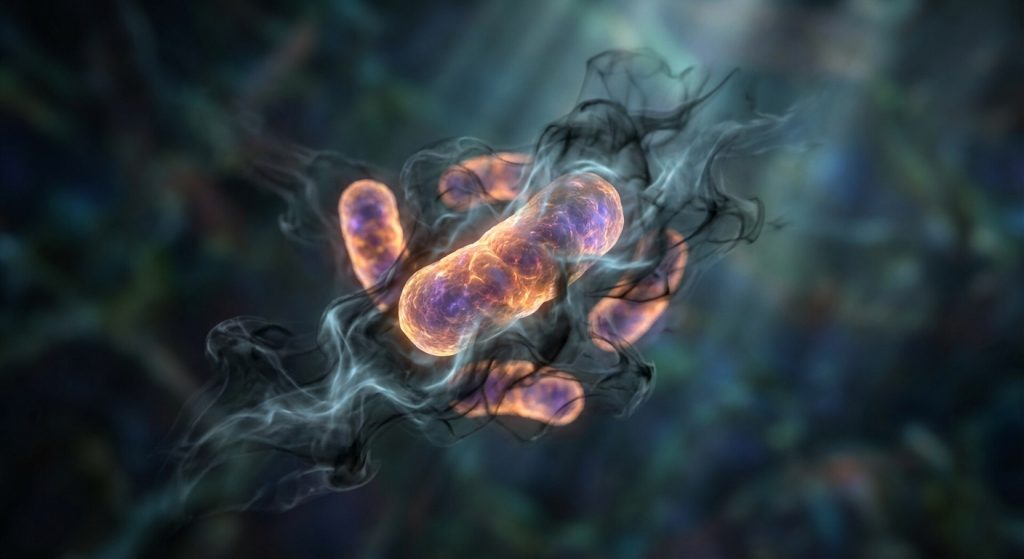
Antibiotic resistance (AMR) is a global health crisis. It is often called a “silent pandemic.” This is because its effects are widespread and devastating, yet it doesn’t always grab headlines like other infectious diseases. Furthermore, experts predict that by 2026, AMR will pose an even greater threat. Therefore, understanding this challenge is crucial for pharmacologists and science students alike. It’s essential to grasp the science behind it and the potential consequences.
This article will explore the multifaceted issue of antibiotic resistance. We will delve into its causes, consequences, and the innovative solutions being developed. Ultimately, we aim to shed light on why this is a critical concern for our future.
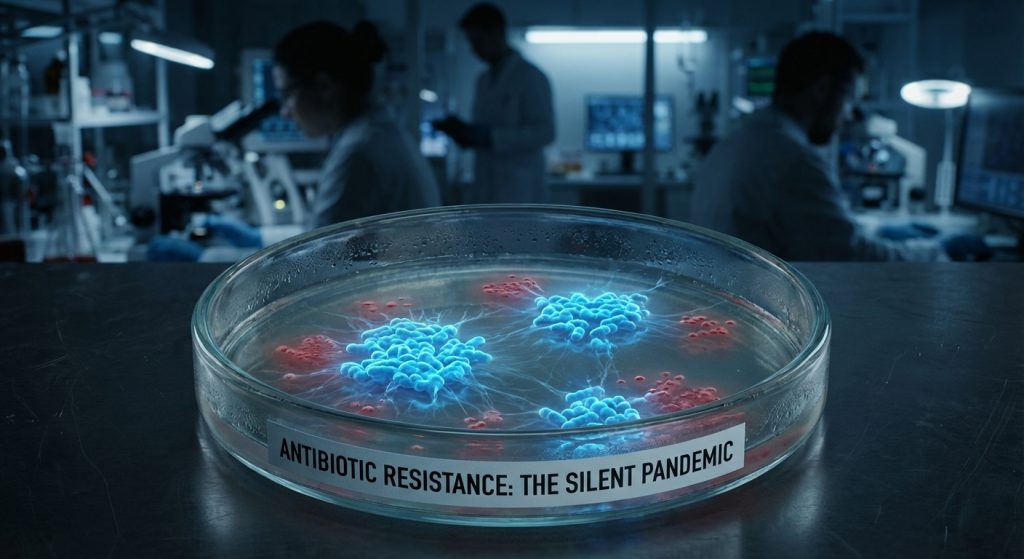
Understanding Antibiotic Resistance
Antibiotics are powerful medicines. They are designed to kill or inhibit the growth of bacteria. However, bacteria are remarkably adaptable organisms. Over time, they can evolve mechanisms to evade the effects of these drugs. This process is known as antibiotic resistance.
Firstly, resistance can develop through random genetic mutations. These mutations can alter the bacteria’s structure or function. Consequently, the antibiotic can no longer bind effectively or perform its task. Secondly, bacteria can acquire resistance genes from other bacteria. This horizontal gene transfer is a rapid way for resistance to spread.
Moreover, the overuse and misuse of antibiotics are major drivers of AMR. When antibiotics are prescribed unnecessarily, such as for viral infections, they kill susceptible bacteria. However, any resistant bacteria present survive and multiply. This leads to a higher prevalence of resistant strains in the environment and within individuals.
The Mechanisms of Resistance
Several key mechanisms allow bacteria to become resistant to antibiotics. Understanding these is vital for developing new strategies to combat AMR.
- Enzyme Production: Some bacteria produce enzymes that can break down or inactivate antibiotics. For example, beta-lactamases can destroy penicillin-type antibiotics.
- Target Modification: Bacteria can alter the cellular targets that antibiotics bind to. This makes the antibiotic ineffective.
- Efflux Pumps: Bacteria can develop pumps that actively transport antibiotics out of the cell before they can reach their target.
- Reduced Permeability: Changes in the bacterial cell wall can prevent antibiotics from entering the cell.
Furthermore, these mechanisms can work in combination. This makes it even harder for antibiotics to be effective. The battle against AMR is, therefore, an ongoing evolutionary arms race. It’s a complex interplay between microbial adaptation and human intervention.
The Alarming Consequences of AMR
The rise of antibiotic-resistant bacteria, often termed “superbugs,” has profound implications for global health. Without effective antibiotics, common infections could once again become deadly. This would significantly impact healthcare systems worldwide.
Firstly, treatments for bacterial infections will become more challenging. Doctors may need to use less effective or more toxic drugs. This can lead to longer illnesses, increased suffering, and higher mortality rates. For instance, infections that were once easily treated, like pneumonia or urinary tract infections, could become life-threatening.
Secondly, AMR threatens modern medical procedures. Many surgeries, chemotherapy treatments, and organ transplants rely on antibiotics to prevent or treat infections. If antibiotics become ineffective, these life-saving procedures could become too risky to perform. This would lead to a rollback in medical progress.
Moreover, the economic burden of AMR is substantial. Increased healthcare costs, lost productivity due to illness, and premature deaths all contribute to significant financial strain on economies globally. Some studies estimate the economic burden to be in the billions of dollars annually. The true cost of superbugs is immense.
A Global Health Security Threat
The World Health Organization (WHO) has declared AMR a top global public health threat. It affects everyone, regardless of where they live. The ease of global travel means that resistant bacteria can spread rapidly across borders. Therefore, international cooperation is essential to tackle this crisis effectively.
The interconnectedness of human health, animal health, and the environment is crucial here. This is often referred to as the “One Health” approach. AMR in livestock can spread to humans through food or direct contact. Environmental reservoirs of resistant bacteria also pose a risk. Thus, a comprehensive strategy is needed.
Combating Antibiotic Resistance: A Multifaceted Approach
Addressing antibiotic resistance requires a coordinated effort across various sectors. This includes developing new drugs, improving antibiotic stewardship, and exploring alternative treatments.
1. Developing New Antimicrobials and Therapies
The pipeline for new antibiotics has been drying up for decades. This is partly due to economic challenges in drug development. However, significant research is underway to find novel solutions.
- New Antibiotic Classes: Scientists are exploring new chemical compounds and natural sources for antibiotics. This includes investigating microbial dark matter and soil microbes for drug discovery.
- Phage Therapy: Bacteriophages, viruses that infect bacteria, offer a promising alternative. They are highly specific and can target resistant strains.
- Host Defense Peptides: These are natural antimicrobial molecules produced by the body. They can be harnessed as therapeutic agents.
- Vaccine Development: Vaccines can prevent infections in the first place, thereby reducing the need for antibiotics.
- CRISPR Technology: Gene-editing tools like CRISPR are being explored to target resistance genes directly.
In addition, advancements in AI-driven drug discovery are accelerating the identification of potential new treatments. Quantum computing also holds promise for designing novel antimicrobial compounds.
2. Enhancing Antibiotic Stewardship
Antibiotic stewardship focuses on the responsible use of antibiotics. This is crucial to preserve the effectiveness of existing drugs and slow the development of resistance.
- Prudent Prescribing: Healthcare professionals must only prescribe antibiotics when truly necessary, typically for bacterial infections. Viral infections do not respond to antibiotics.
- Diagnostic Tools: Rapid diagnostic tests can quickly identify the causative pathogen and its susceptibility to antibiotics. This allows for targeted treatment.
- Reducing Use in Agriculture: The routine use of antibiotics for growth promotion in livestock contributes significantly to AMR. Reducing this practice is vital.
- Public Awareness Campaigns: Educating the public about the importance of using antibiotics correctly is essential.
Implementing robust antibiotic policy reforms at national and international levels is also a critical step. Furthermore, improving hospital infection control measures is paramount.
3. Exploring Non-Antibiotic Interventions
Beyond traditional antibiotics, researchers are investigating various other strategies to combat infections.
- Bacteriocin Use: These are antimicrobial peptides produced by bacteria. They can be used as food preservatives or therapeutic agents.
- Quorum Sensing Inhibitors: These compounds disrupt bacterial communication, hindering their ability to form biofilms and cause infection.
- Plasma Therapy: Cold atmospheric plasma is showing promise for wound disinfection.
- Nanotechnology: Nanoparticles can be used to deliver antibiotics more effectively or to create materials with inherent antimicrobial properties. For example, metal ions can possess antibacterial power.
Moreover, understanding bacterial persistence strategies is key to developing treatments that can overcome dormant, resistant bacteria.
The Role of Pharmacologists and Science Students
Pharmacologists and science students are at the forefront of this battle. Their expertise is vital in understanding the complex mechanisms of AMR and developing innovative solutions.
Firstly, research into new drug targets and antimicrobial compounds is essential. This requires a deep understanding of microbiology, pharmacology, and molecular biology. Secondly, developing and implementing effective antibiotic stewardship programs relies on scientific knowledge and clinical expertise.
Furthermore, science students play a crucial role in public education and advocacy. By understanding the science behind AMR, they can communicate its importance to the wider community. This helps foster responsible antibiotic use and support for vital research initiatives.
Finally, embracing a “One Health” perspective is critical. This means considering the interconnectedness of human, animal, and environmental health in all research and policy decisions related to AMR.
Frequently Asked Questions (FAQs)
What is antibiotic resistance (AMR)?
Antibiotic resistance occurs when bacteria evolve to withstand the effects of antibiotics designed to kill them. This makes infections harder to treat.
Why is AMR called a “silent pandemic”?
It’s called a “silent pandemic” because its impact is widespread and devastating, but it often goes unnoticed by the general public until it leads to severe consequences.
What are the main causes of AMR?
The primary causes are the overuse and misuse of antibiotics in human medicine and agriculture, coupled with the natural evolutionary capabilities of bacteria.
What are the potential consequences of widespread AMR?
Consequences include common infections becoming untreatable, increased mortality rates, making modern medical procedures like surgery riskier, and significant economic burdens.
What are some novel approaches to combat AMR besides traditional antibiotics?
Novel approaches include phage therapy, using host defense peptides, developing vaccines, and exploring compounds that inhibit bacterial communication or efflux pumps.
How can individuals help combat antibiotic resistance?
Individuals can help by only taking antibiotics when prescribed by a doctor for a bacterial infection, completing the full course of treatment, and not sharing antibiotics.
Conclusion
Antibiotic resistance is a formidable challenge. It threatens to reverse decades of medical progress. The projected rise of AMR by 2026 underscores the urgency of this issue. Therefore, a concerted global effort is required. This includes continued research into new treatments and a strong commitment to responsible antibiotic use. Pharmacologists and science students have a pivotal role to play. By understanding the science and advocating for change, they can help safeguard our future against this silent pandemic.