Vietnam’s Blue Zones: Longevity Secrets Revealed
Published on February 5, 2026 by Admin
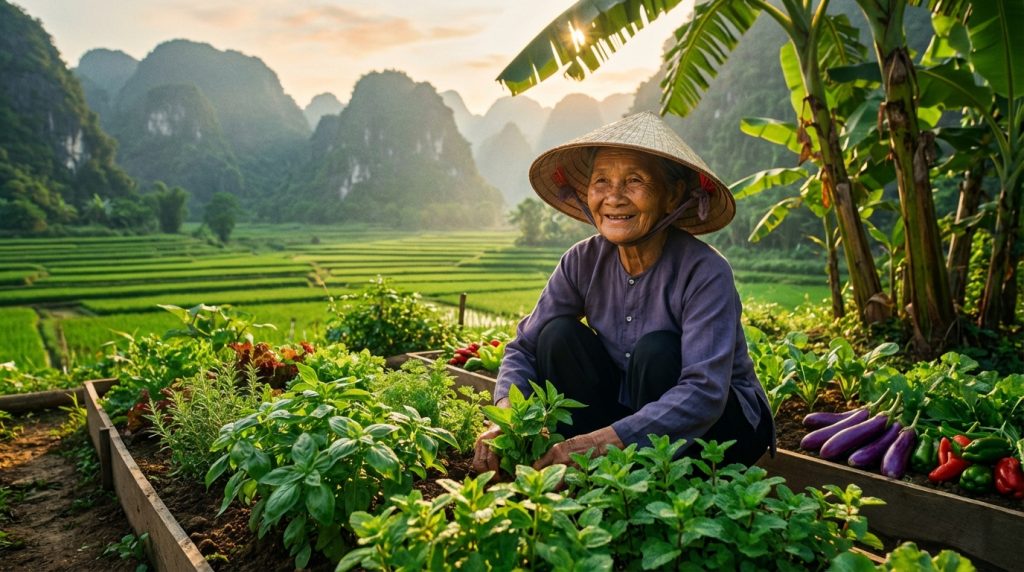
Vietnam is a land of rich culture and ancient traditions. It is also home to some of the world’s longest-living populations. These remarkable individuals offer invaluable insights into healthy aging. Sociologists and gerontologists have long studied these communities. They seek to understand the factors contributing to their exceptional longevity and well-being.
Indeed, many elderly Vietnamese citizens lead vibrant lives. They remain active and engaged well into their later years. This phenomenon is not merely anecdotal. It points to a deeper understanding of lifestyle, community, and environment. In this article, we will explore the secrets of Vietnam’s oldest citizens. We will uncover the elements that contribute to their remarkable health and happiness.
The Concept of “Blue Zones”
The term “Blue Zones” was popularized by researcher Dan Buettner. It refers to regions around the world where people live extraordinarily long and healthy lives. These areas share common lifestyle characteristics. They often include strong social networks and plant-based diets. They also emphasize regular physical activity and a sense of purpose.
While not officially designated as a Blue Zone, Vietnam exhibits many of these traits. Especially in its rural areas and islands. The country’s centenarians are a testament to this. They often attribute their longevity to simple, yet profound, life choices. Therefore, understanding these patterns can offer lessons for us all.
Dietary Habits: The Foundation of Health
Diet plays a crucial role in longevity. Vietnamese centenarians typically follow a diet rich in whole foods. It is predominantly plant-based. This diet is naturally low in processed ingredients and unhealthy fats. Moreover, it is packed with essential nutrients.
Key Dietary Components:
- Abundant Vegetables and Fruits: Fresh, seasonal produce forms the core of their meals. These foods are rich in vitamins, minerals, and antioxidants. They help combat cellular damage.
- Legumes and Grains: Beans, lentils, and whole grains provide complex carbohydrates and protein. They offer sustained energy. They also contribute fiber for digestive health. For instance, microbiome diversity is significantly influenced by such diets.
- Lean Proteins: Fish and poultry are consumed in moderation. They provide essential amino acids without excessive saturated fat.
- Herbal Teas: Many elders regularly drink herbal teas. These teas are often brewed with medicinal herbs. They are believed to have various health benefits, from aiding digestion to reducing inflammation.
- Portion Control: A traditional Vietnamese saying advises eating until one is 80% full. This practice prevents overeating. It aids digestion and maintains a healthy weight.
Furthermore, the emphasis is on fresh, minimally processed foods. Cooking methods often involve steaming, boiling, or stir-frying. This preserves nutrients. It avoids the harmful compounds often produced by high-heat frying. For example, the benefits of eating a diet rich in anti-inflammatory foods are well-documented.
Physical Activity: A Natural Part of Life
In Vietnam’s traditional communities, physical activity is not a chore. It is an integrated part of daily life. Elderly individuals often remain active through household chores, gardening, and walking. This consistent, low-intensity movement is key.
Daily Movement Practices:
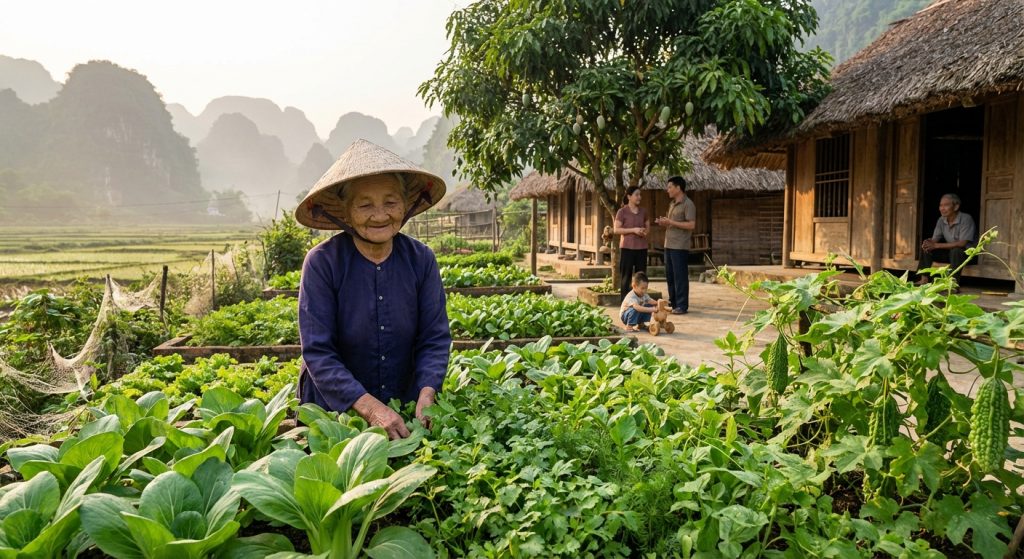
- Gardening: Many elders maintain small gardens. This involves bending, reaching, and light digging. It keeps them mobile and connected to nature.
- Walking and Tai Chi: Daily walks are common. Many also practice Tai Chi. This gentle exercise improves balance, flexibility, and strength. It also promotes mindfulness.
- Household Chores: Simple tasks like cooking, cleaning, and caring for grandchildren keep them physically engaged.
- Community Involvement: Participating in local events and social gatherings often involves walking and standing.
This contrasts sharply with sedentary lifestyles common in many Western societies. The constant, natural movement helps maintain muscle mass and bone density. It also improves cardiovascular health. It is a form of exercise that feels effortless. Thus, it is sustainable throughout life. This aligns with the principles of functional fitness for longevity.
Strong Social Connections and Community Support
Social interaction is paramount for mental and emotional well-being. In Vietnamese culture, family ties are exceptionally strong. Elders are highly respected. They are often integrated into the daily lives of their families.
The Importance of Social Bonds:
- Family Cohesion: Multi-generational households are common. Elders play active roles in childcare and family decisions. This provides a sense of belonging and purpose.
- Community Networks: Close-knit village communities offer support. Neighbors often help each other. Social gatherings and shared activities are frequent.
- Sense of Purpose: Elders often feel valued and needed. This contributes to their psychological well-being. It combats feelings of isolation often associated with aging.
- Intergenerational Learning: Elders pass down traditions and wisdom. Younger generations benefit from their experience. This fosters mutual respect.
Research consistently shows that strong social ties are linked to longer lifespans. They reduce stress and improve resilience. The feeling of being connected and contributing is vital. It is a powerful antidote to the loneliness that can impact older adults. Indeed, the benefits of social isolation’s biological risks are significant.
Mental Well-being and a Positive Outlook
A positive outlook on life is a common trait among Vietnam’s longest-living citizens. They often exhibit a sense of contentment and gratitude. This mental fortitude is as important as physical health.
Factors Contributing to Mental Well-being:
- Acceptance of Aging: There is a cultural acceptance of the natural aging process. Elders are seen as wise and experienced.
- Mindfulness and Presence: Many practice mindfulness in their daily activities. They focus on the present moment. This reduces anxiety and stress.
- Gratitude: A focus on what they have, rather than what they lack, is common. This fosters contentment.
- Resilience: Having lived through challenging times, they possess a strong sense of resilience. They adapt to circumstances with grace.
This mental resilience helps them navigate life’s challenges. It prevents chronic stress from taking a toll. The practice of gratitude journaling can cultivate such a mindset.
Environmental Factors and Lifestyle Choices
The environment in which these elders live also plays a role. Rural and island communities often offer cleaner air and water. Proximity to nature is also a significant factor.
Environmental Influences:
- Natural Environment: Living closer to nature, surrounded by greenery, can have a calming effect. It encourages outdoor activity.
- Reduced Exposure to Toxins: Traditional lifestyles often involve less exposure to industrial pollutants and artificial chemicals.
- Connection to Nature: Activities like farming and gardening foster a deep connection with the natural world. This can be therapeutic.
The benefits of spending time in nature are well-established. It can reduce stress hormones and improve mood. This aligns with the concept of nature therapy.
Lessons for Sociologists and Elderly Care Providers
The insights from Vietnam’s centenarians offer valuable lessons for sociologists and those in elderly care. They highlight the importance of a holistic approach to aging.
Key Takeaways:
- Prioritize Social Connection: Facilitate opportunities for social interaction and community building. Combat isolation.
- Encourage Active Lifestyles: Promote gentle, consistent physical activity. Integrate movement into daily routines.
- Promote Healthy Diets: Emphasize whole, plant-based foods. Educate on portion control and mindful eating.
- Foster a Sense of Purpose: Help elders find meaningful roles. Value their contributions and wisdom.
- Support Mental Well-being: Encourage positive outlooks and resilience. Provide tools for stress management.
- Consider Environmental Factors: Advocate for access to green spaces and cleaner environments.
By understanding and implementing these principles, we can help older adults lead more fulfilling and healthier lives. The Vietnamese approach to aging offers a powerful blueprint. It shows that longevity is not just about medical interventions. It is deeply rooted in lifestyle, community, and a positive spirit.
Frequently Asked Questions
What are the main dietary staples of Vietnamese centenarians?
Their diet is primarily plant-based, focusing on abundant vegetables, fruits, legumes, and whole grains. They consume lean proteins like fish and poultry in moderation and often drink herbal teas.
How do Vietnamese elders stay physically active?
Physical activity is integrated into their daily lives through activities like gardening, walking, practicing Tai Chi, and performing household chores. This consistent, natural movement is key.
What role do social connections play in their longevity?
Strong family and community ties are crucial. Elders are respected, integrated into family life, and often have supportive social networks, which combats isolation and provides a sense of purpose.
Is there a specific “Blue Zone” designation for Vietnam?
While Vietnam is not officially designated as a Blue Zone, its communities, particularly in rural areas, exhibit many characteristics associated with Blue Zones, such as healthy diets, active lifestyles, and strong social bonds.
Can the Vietnamese approach to aging be applied elsewhere?
Yes, the principles of strong social connections, active lifestyles, plant-rich diets, and a positive mental outlook are universally beneficial for healthy aging and can be adapted to different cultural contexts.
Conclusion
The long lives of Vietnam’s oldest citizens are a profound inspiration. They demonstrate that a life of vitality and happiness in old age is achievable. It is achieved through a harmonious blend of simple, natural living. This includes a nourishing diet, consistent physical activity, strong social bonds, and a positive mindset. For sociologists and elderly care professionals, these communities offer a rich source of knowledge. They provide practical, time-tested strategies for promoting well-being in later life. By embracing these lessons, we can foster environments that support not just longer lives, but also richer, more fulfilling ones for everyone.