
Exoskeletons: Restoring Mobility for Paralyzed Patients in VN
Published on February 5, 2026 by Admin
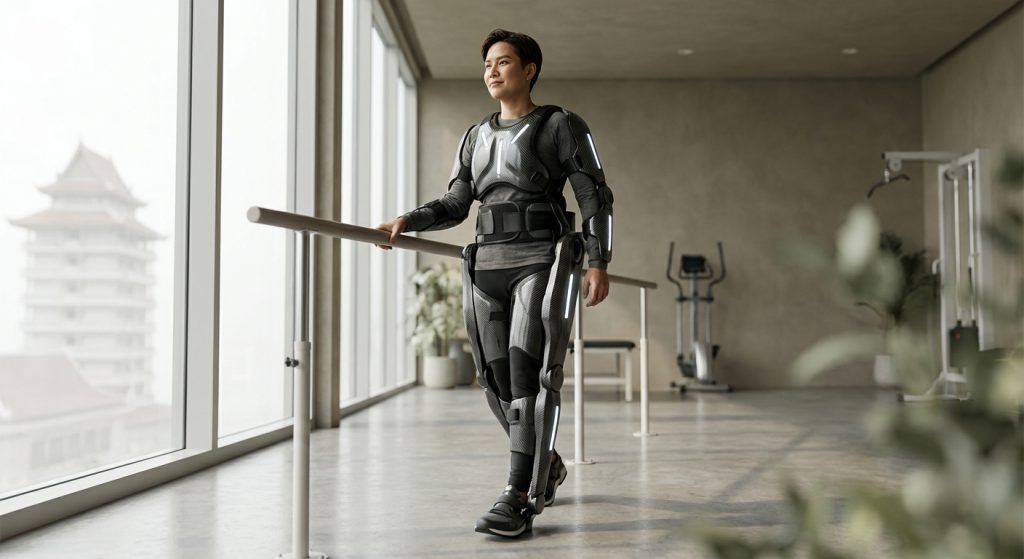
Paralysis presents immense challenges. It impacts daily life profoundly. For many, regaining the ability to walk is a distant dream. However, cutting-edge technology offers new hope. Exoskeletons are transforming rehabilitation. This is especially true for paralyzed patients in Vietnam. These robotic suits provide external support. They enable movement once thought impossible. Physical therapists and engineers are at the forefront. They are integrating this technology. This integration aims to restore independence. It also improves quality of life significantly.
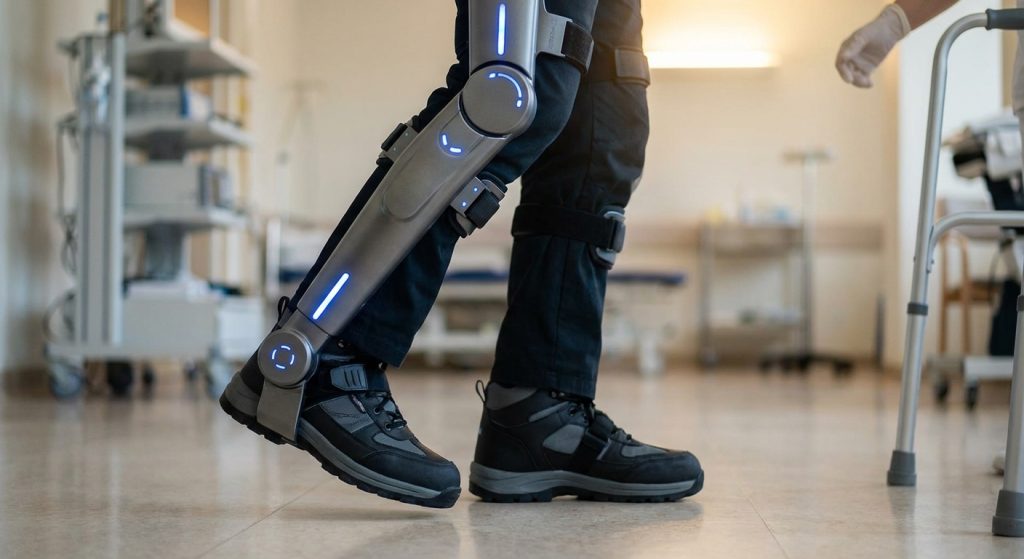
The Promise of Exoskeleton Technology
Exoskeletons are wearable robotic devices. They augment human physical capabilities. For rehabilitation, they offer crucial support. They help patients with impaired mobility. This includes those with spinal cord injuries. It also covers stroke survivors. Furthermore, they aid individuals with neurological disorders. The technology works by detecting user intent. It then assists with specific movements. This can include walking, standing, and climbing stairs. Therefore, exoskeletons are not just tools. They are facilitators of recovery.
How Exoskeletons Aid Rehabilitation
Firstly, exoskeletons provide physical assistance. This is vital for patients who cannot bear their own weight. They help maintain proper posture. This prevents secondary complications. Secondly, they enable repetitive, controlled movements. This is key for neuroplasticity. The brain can relearn motor pathways. This process is called neurorehabilitation. Moreover, exoskeletons offer motivation. Seeing progress can be incredibly encouraging. Patients regain confidence. They also experience a greater sense of agency.
Mechanisms of Action
Exoskeletons use sensors and actuators. Sensors detect subtle shifts in balance or muscle signals. Actuators then provide powered assistance. This ensures smooth and coordinated motion. Different types of exoskeletons exist. Some are passive, offering structural support. Others are active, providing powered assistance. Active exoskeletons are more common for rehabilitation. They offer greater control and customization. Engineers design these systems carefully. They ensure safety and effectiveness.
Exoskeletons in the Vietnamese Context
Vietnam is rapidly adopting new medical technologies. The healthcare sector is modernizing. Exoskeletons represent a significant advancement. Their introduction in Vietnam is still nascent. However, the potential impact is enormous. Many individuals suffer from paralysis. Spinal cord injuries are a concern. Traffic accidents are a contributing factor. Therefore, access to advanced rehabilitation is critical. Engineers and physical therapists are key players. They are working to make this technology accessible. They also train local healthcare professionals. This ensures proper usage and patient care.
Challenges and Opportunities
Several challenges exist. The cost of exoskeletons is high. This can be a barrier to widespread adoption. Training specialized personnel is also necessary. Furthermore, infrastructure may need upgrades. However, the opportunities are substantial. Exoskeletons can significantly improve patient outcomes. They can reduce long-term healthcare costs. They also empower individuals to lead more independent lives. The Vietnamese government is increasingly investing in healthcare innovation. This creates a favorable environment for adoption. Additionally, local engineers can adapt designs. They can make them more suitable and affordable for the Vietnamese market.
The Role of Physical Therapists
Physical therapists are central to exoskeleton-assisted rehabilitation. They assess patient suitability. They also train patients on how to use the devices. This involves careful calibration. Therapists ensure the exoskeleton fits correctly. They also monitor progress closely. Their expertise guides the rehabilitation process. They adapt exercises. They also help patients overcome challenges. Therefore, therapists are crucial for success.
Training and Customization
Each patient is unique. Therapists tailor exoskeleton use to individual needs. They adjust settings. They focus on specific gait patterns. They also work on balance and coordination. This personalized approach maximizes benefits. It also minimizes risks. Therapists help patients integrate exoskeleton use into daily life. They also teach them how to transition safely. This ensures functional independence.
The Engineering Perspective
Engineers design and build these sophisticated devices. They focus on mechanics, electronics, and software. Safety is paramount in their design. They must ensure the exoskeleton is reliable. It must also be user-friendly. Engineers work closely with medical professionals. This ensures designs meet clinical needs. They also strive for innovation. This includes making exoskeletons lighter and more intuitive.
Innovations in Exoskeleton Design
Recent advancements are exciting. Lighter materials are being used. This makes exoskeletons more comfortable. Battery life is also improving. This extends usage time. Furthermore, AI is playing a larger role. AI can predict user movements. It can also adapt assistance in real-time. This leads to more natural and fluid motion. For example, AI can help detect subtle changes in gait. It can then provide timely support. This is critical for preventing falls. Engineers are also exploring lower-cost designs. This is important for accessibility.
Collaboration is Key
The synergy between physical therapists and engineers is vital. Engineers provide the technology. Therapists provide the clinical insight. Together, they refine the devices. They also develop effective training protocols. This collaboration ensures that exoskeletons are not just advanced gadgets. They become powerful tools for recovery. It is a true interdisciplinary effort.
Impact on Patients’ Lives
The impact of exoskeletons extends far beyond physical recovery. For paralyzed patients, regaining mobility can be life-changing. It restores a sense of dignity. It also opens up new possibilities. Patients can participate more fully in society. They can return to work. They can engage in hobbies. They can spend more time with family. This emotional and psychological boost is immeasurable. It combats feelings of isolation. It fosters independence and self-reliance.
Case Studies and Testimonials
While specific Vietnamese case studies are emerging, global examples are compelling. Patients who use exoskeletons report improved mood. They also experience reduced pain. They often have better bowel and bladder function. This is due to increased physical activity. Moreover, the ability to stand and walk can prevent pressure sores. It can also improve cardiovascular health. These benefits highlight the holistic impact of the technology.
The Future of Exoskeletons in Vietnam
The outlook for exoskeleton technology in Vietnam is bright. As costs decrease and awareness grows, adoption will likely increase. Furthermore, local manufacturing and adaptation could accelerate this trend. Universities and research institutions are exploring this area. They are fostering innovation. Ultimately, the goal is to make this life-changing technology accessible to all who need it. This will empower many individuals to walk again. It will also significantly enhance their independence.
Frequently Asked Questions (FAQ)
What is an exoskeleton for rehabilitation?
It is a wearable robotic device. It provides external support and power. This helps individuals with impaired mobility to stand and walk.
Who can benefit from exoskeleton therapy?
Individuals with spinal cord injuries, stroke survivors, and those with certain neurological conditions can benefit. A physical therapist assesses suitability.
Are exoskeletons safe for patients?
Yes, when used under the guidance of trained professionals. Engineers design them with safety features. Therapists ensure proper usage and monitoring.
How long does exoskeleton rehabilitation take?
The duration varies greatly. It depends on the individual’s condition, goals, and consistency of therapy. It is part of a broader rehabilitation program.
What is the cost of exoskeleton therapy in Vietnam?
Currently, the costs can be significant. However, as technology advances and production scales, prices are expected to become more accessible.
What is the role of engineers in this field?
Engineers design, build, and maintain the exoskeletons. They focus on mechanics, electronics, software, and safety. They also drive innovation for lighter and more intuitive designs.
What is the role of physical therapists?
Physical therapists assess patients, customize exoskeleton settings, train users, monitor progress, and integrate exoskeleton use into a comprehensive rehabilitation plan.
Conclusion
Exoskeletons represent a monumental leap forward. They offer profound hope for paralyzed patients in Vietnam. By combining advanced engineering with expert physical therapy, this technology is making the impossible possible. It is restoring mobility, independence, and dignity. As the field continues to evolve, we can expect even greater advancements. These will further transform lives and redefine recovery. The journey is ongoing, but the path to walking again is clearer than ever.
