
Health Equity in VN: Bridging Urban-Rural Care Gaps
Published on February 5, 2026 by Admin

Health equity is a critical goal for any nation. It means everyone has a fair chance to be healthy. Unfortunately, significant disparities often exist. In Vietnam (VN), this is particularly true. There’s a noticeable gap. It lies between healthcare access in urban and rural areas. This article explores this challenge. We will discuss its impact and potential solutions. Policy makers and NGOs must understand this issue. Bridging this gap is essential for national well-being.
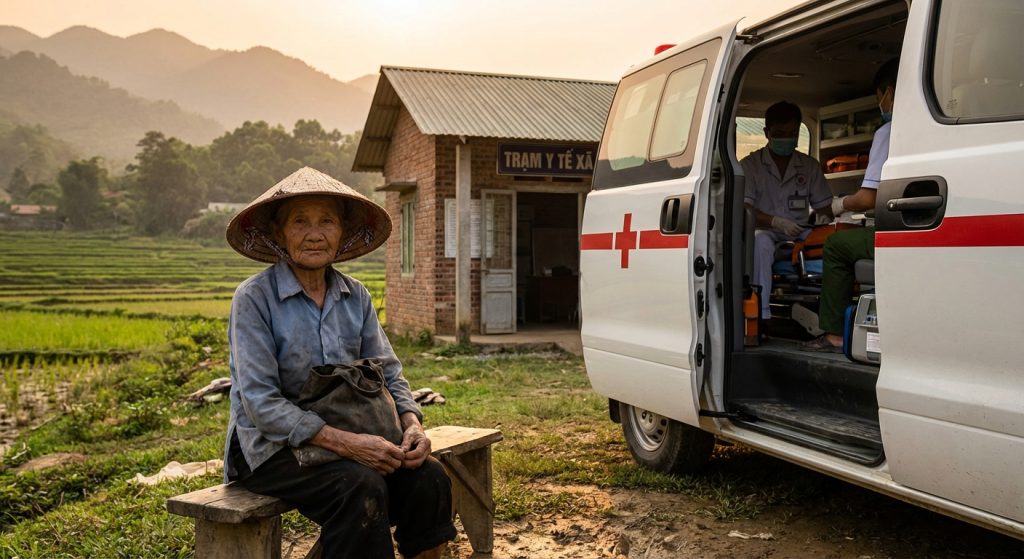
Understanding the Urban-Rural Health Divide
Vietnam has made great strides in healthcare. However, disparities persist. Urban centers boast advanced facilities. They have highly trained specialists. Rural areas often lack these resources. This creates unequal access to quality care. Consequently, health outcomes differ significantly.
Rural populations face unique challenges. They often live far from hospitals. Transportation can be difficult. This is especially true for emergencies. Limited healthcare infrastructure is another factor. Many rural clinics are understaffed and underequipped. Therefore, preventive care may be lacking. Chronic disease management can also suffer.
Conversely, urban dwellers generally have better access. They benefit from more hospitals and clinics. Specialized medical services are readily available. This leads to earlier diagnoses. It also means better treatment outcomes. However, even in cities, affordability can be an issue. High costs can still be a barrier for some.
Key Factors Contributing to the Gap
Several factors drive this urban-rural divide. Understanding these is crucial for effective policy.
Socioeconomic Disparities
Poverty is more prevalent in rural areas. This directly impacts healthcare access. Limited financial resources mean people delay or forgo treatment. They may not afford medications or specialist visits. Therefore, socioeconomic status is a major determinant of health. It exacerbates existing inequalities.
Infrastructure and Technology
Urban hospitals often have modern equipment. They utilize advanced diagnostic tools. Many rural facilities lack this technological edge. This limits their ability to provide comprehensive care. Furthermore, internet connectivity can be poor in remote areas. This hinders the adoption of telemedicine solutions. Thus, the digital divide adds another layer to the problem.
Human Resources in Healthcare
Attracting and retaining skilled healthcare professionals in rural areas is difficult. Doctors and nurses often prefer to work in cities. There are better career opportunities. Higher salaries are also a draw. As a result, rural areas suffer from a shortage of specialists. This means longer wait times for patients. It also limits the range of services offered.
Geographic and Environmental Factors
Vietnam’s geography presents challenges. Many rural communities are remote. They are spread across mountainous regions or islands. This makes physical access to healthcare services difficult. Moreover, natural disasters can further disrupt care. Floods or storms can cut off communities. They can damage health facilities. This makes reaching them even harder.
Impact on Health Outcomes
The urban-rural health gap has serious consequences. It affects various health indicators.
Maternal and Child Health
Rural areas often have higher rates of maternal and infant mortality. This is due to limited access to prenatal care. It’s also due to fewer skilled birth attendants. Emergency obstetric care might be far away. Thus, pregnant women and newborns are at greater risk.
Non-Communicable Diseases (NCDs)
NCDs like diabetes, heart disease, and cancer are rising globally. In Vietnam, rural populations often have less access to screening. Early detection is crucial for managing these conditions. Without it, NCDs are often diagnosed at later stages. This leads to poorer prognoses and higher treatment costs. For example, early cancer detection is vital. It significantly improves survival rates. However, rural areas may lack advanced diagnostic equipment.
Infectious Diseases
While progress has been made, infectious diseases remain a concern. Rural areas can be more vulnerable. Limited access to clean water and sanitation can play a role. Furthermore, vaccination rates might be lower in remote regions. This is often due to logistical challenges. Therefore, outbreaks can be harder to control. This can lead to greater morbidity and mortality.
Strategies to Bridge the Gap
Addressing health inequity requires a multi-pronged approach. Policy makers and NGOs can implement various strategies.
Strengthening Primary Healthcare in Rural Areas
Investing in primary healthcare centers is paramount. This includes upgrading facilities. It also means ensuring adequate staffing and equipment. Mobile health clinics can extend reach. They can bring essential services directly to remote communities. Therefore, strengthening the foundation of care is key.
Leveraging Technology and Telemedicine
Telemedicine offers a promising solution. It can connect rural patients with urban specialists. Remote consultations can improve diagnosis. It can also facilitate treatment planning. Training local healthcare workers in using these technologies is essential. Moreover, improving internet infrastructure in rural areas is a prerequisite. This is a critical step for wider adoption. For instance, remote diagnostics can be a game-changer. It allows for faster medical assessments. This is particularly useful in emergencies.
Incentivizing Healthcare Professionals for Rural Service
Governments can offer incentives. These might include higher salaries. They could also provide housing allowances. Loan forgiveness programs can attract doctors and nurses. Continuous professional development opportunities are also important. These measures can encourage healthcare workers to serve in underserved areas. Thus, addressing the human resource shortage is vital.
Community Health Worker Programs
Community health workers (CHWs) are invaluable. They act as a vital link between communities and the health system. CHWs can provide health education. They can conduct basic screenings. They can also facilitate referrals to higher-level care. Therefore, empowering and training CHWs is a cost-effective strategy. They are often trusted members of their communities.
Health Literacy and Education
Improving health literacy is crucial. Many rural populations may lack awareness about preventive health. They might not understand disease management. Targeted health education campaigns can empower individuals. They can promote healthier lifestyles. They can also encourage timely healthcare seeking. This knowledge is power. It enables better health decisions. We can learn from successful public health initiatives. For example, understanding nutrigenomics can help tailor advice.
Public-Private Partnerships
Collaboration between government, NGOs, and the private sector is essential. Private hospitals can support rural outreach programs. Pharmaceutical companies can donate medicines. Technology firms can provide digital health solutions. These partnerships can pool resources. They can increase the scale and impact of interventions. Thus, a united front is more effective.
Policy Recommendations for Health Equity
For policy makers and NGOs, specific actions are needed:
- Increase Investment in Rural Healthcare Infrastructure: Allocate more resources. Focus on building and upgrading rural clinics and hospitals. Ensure they have essential medical equipment and supplies.
- Develop and Implement National Telemedicine Strategy: Create a framework for telehealth services. Standardize platforms and ensure data security. Provide training for healthcare providers and patients.
- Strengthen Human Resources for Health in Rural Areas: Implement attractive incentive packages for rural practitioners. Increase medical school quotas for rural service. Provide ongoing training and support.
- Empower Community Health Workers: Integrate CHWs into the formal health system. Provide them with better training, resources, and fair compensation. Expand their roles in preventive and primary care.
- Promote Health Literacy and Patient Education: Develop culturally appropriate health education materials. Utilize various media channels to reach rural populations. Focus on preventive care and early disease detection.
- Foster Public-Private Partnerships: Encourage collaboration through clear policy guidelines and incentives. Support initiatives that leverage private sector expertise and resources for public health goals.
- Utilize Data for Targeted Interventions: Collect and analyze health data disaggregated by region. Identify specific needs and tailor interventions accordingly. Monitor progress and adapt strategies as needed. This data-driven approach is crucial for effective policy.
The Role of NGOs and Civil Society
Non-governmental organizations play a vital role. They often reach communities that government services miss. NGOs can pilot innovative solutions. They can advocate for policy changes. They can also raise public awareness. Their on-the-ground presence is invaluable. They can build trust and facilitate community engagement. For instance, NGOs can run vaccination campaigns. They can also provide essential medicines. Their work complements government efforts. It helps ensure no one is left behind.
Conclusion: A Call to Action for Health Equity
Achieving health equity in Vietnam is a complex but achievable goal. The gap between urban and rural healthcare access is a significant barrier. It affects the health and well-being of millions. By implementing targeted strategies. By fostering collaboration. By prioritizing investment in rural healthcare. We can bridge this divide. Policy makers, NGOs, and communities must work together. This collective effort is essential. It will ensure that every Vietnamese citizen, regardless of location, has access to quality healthcare. Ultimately, this commitment to health equity strengthens the nation as a whole.
Frequently Asked Questions (FAQ)
What is health equity?
Health equity means that everyone has a fair and just opportunity to be as healthy as possible. This requires removing obstacles to health such as poverty, discrimination, and their consequences.
Why is there a health gap between urban and rural areas in Vietnam?
The gap exists due to several factors including socioeconomic disparities, unequal distribution of healthcare infrastructure and technology, a shortage of healthcare professionals in rural areas, and geographic challenges.
How can telemedicine help bridge the urban-rural health gap?
Telemedicine allows rural patients to consult with urban specialists remotely. This improves access to diagnosis and treatment planning, especially for complex conditions. It also helps in managing chronic diseases and providing timely advice.
What is the role of community health workers (CHWs) in rural healthcare?
CHWs are crucial for providing basic health services, health education, and disease prevention in remote areas. They act as a bridge between communities and formal healthcare systems, often being trusted local figures.
What can NGOs do to improve rural healthcare in Vietnam?
NGOs can pilot innovative health programs, advocate for policy changes, raise public awareness, and provide essential services in underserved areas. They often work in communities where government reach is limited.
Are there any successful examples of improving rural healthcare in Vietnam?
While specific examples require detailed research, general strategies like strengthening primary healthcare networks, implementing mobile health clinics, and leveraging community health worker programs have shown success in similar contexts. The ongoing efforts in digital health and telemedicine also represent a promising direction.
How does health inequity impact Vietnam’s overall development?
Health inequity leads to a less productive workforce, increased healthcare costs due to delayed treatment, and social instability. Addressing it is crucial for sustainable economic and social development.
What is the importance of data in addressing health disparities?
Data helps identify specific health needs in different regions, track the effectiveness of interventions, and allocate resources more efficiently. Disaggregated data is key to understanding and tackling disparities.
