Fecal Transplants: Restoring Gut Health with Science
Published on February 5, 2026 by Admin

Your gut is a bustling ecosystem. It houses trillions of microorganisms. These microbes are vital for your health. When this balance is disrupted, problems arise. This is where microbiome restoration comes in. Fecal microbiota transplantation (FMT) is a key treatment. It aims to restore a healthy gut environment.
What is the Gut Microbiome?
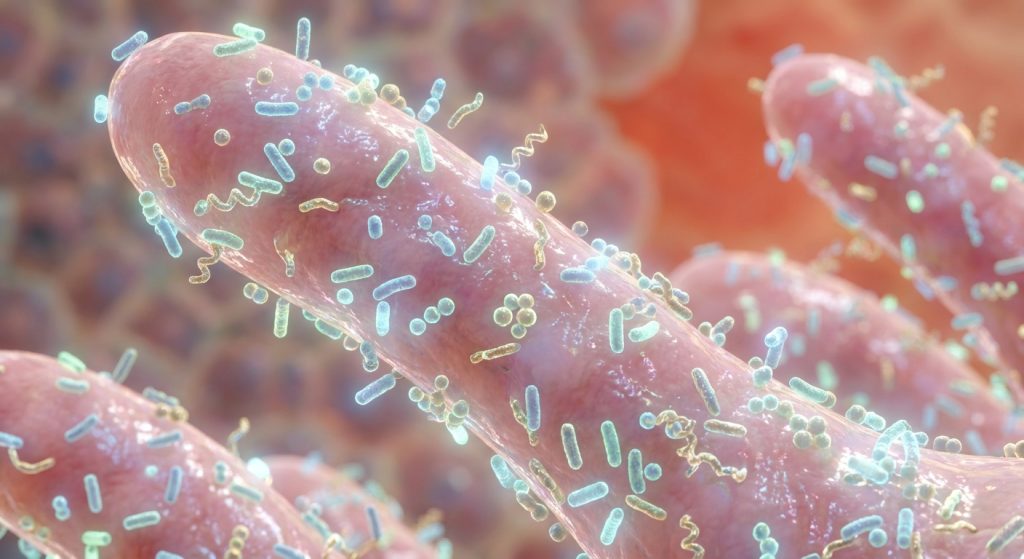
Think of your gut microbiome as a complex community. It includes bacteria, viruses, fungi, and other microbes. Most of these are beneficial. They help digest food. They also produce vitamins. Moreover, they train your immune system. They even influence your mood and mental health. This is known as the gut-brain axis.
However, this delicate balance can be easily disturbed. Antibiotics are a common culprit. Other factors include diet, stress, and illness. An imbalanced microbiome is called dysbiosis. Dysbiosis is linked to many health issues.
When Gut Health Goes Wrong: The Impact of Dysbiosis
Dysbiosis can manifest in various ways. Common symptoms include:
- Bloating and gas
- Abdominal pain
- Diarrhea or constipation
- Nausea
- Fatigue
- Skin problems
- Mood changes
More seriously, dysbiosis is associated with chronic conditions. These include inflammatory bowel disease (IBD), irritable bowel syndrome (IBS), and even obesity. Therefore, restoring a healthy microbiome is crucial for overall well-being.
Microbiome Restoration: The Science of Fecal Transplants
Fecal microbiota transplantation, or FMT, is a powerful tool. It involves transferring stool from a healthy donor. This stool is rich in beneficial microbes. It is then introduced into the gut of a recipient. The goal is to repopulate the recipient’s gut with a healthy microbial community.
How Does FMT Work?
Firstly, the process begins with careful donor screening. Donors undergo extensive medical and microbiological testing. This ensures the safety of the donated material. The stool is then processed. It is typically mixed with a saline solution. This mixture is then administered to the patient.
Administration methods vary. Common routes include colonoscopy, enema, or capsules. The choice depends on the patient’s condition and doctor’s recommendation. Once introduced, the healthy microbes begin to colonize the recipient’s gut. Gradually, they outcompete the harmful or overgrown microbes.
The Primary Target: Clostridioides difficile Infection
Historically, FMT has shown remarkable success. Its primary indication is recurrent Clostridioides difficile infection (CDI). CDI is a severe intestinal infection. It often occurs after antibiotic use. Antibiotics can wipe out beneficial gut bacteria, allowing C. difficile to flourish. Symptoms can range from mild diarrhea to life-threatening colitis.
For patients with recurrent CDI, FMT offers a cure rate of over 90%. This is significantly higher than traditional antibiotic treatments. Therefore, it is considered a gold standard for this condition. The scientific community has extensively studied its efficacy. This success paved the way for exploring FMT for other conditions.
Beyond CDI: Emerging Applications of FMT
While CDI remains its strongest indication, researchers are exploring FMT for other gut-related ailments. These include:
- Inflammatory Bowel Disease (IBD): Crohn’s disease and ulcerative colitis.
- Irritable Bowel Syndrome (IBS): Especially IBS with diarrhea.
- Metabolic Syndrome: Including obesity and type 2 diabetes.
- Other conditions: Such as certain autoimmune disorders.
However, it is important to note that research in these areas is ongoing. The evidence for these conditions is not as robust as for CDI. Many studies are still in their early phases. Therefore, FMT is not yet a standard treatment for these conditions outside of clinical trials.
Challenges and Considerations
Despite its promise, FMT faces challenges. These include:
- Standardization: Donor screening and stool processing methods need further standardization.
- Long-term effects: More research is needed on the long-term safety and efficacy.
- Donor availability: Finding suitable, screened donors can be difficult.
- Patient acceptance: The concept of fecal transplantation can be a barrier for some patients.
Furthermore, regulatory bodies are still developing guidelines for FMT. This ensures patient safety and treatment quality. For instance, the U.S. Food and Drug Administration (FDA) has specific regulations. These are in place to oversee the use of FMT as a drug product.
The Future of Microbiome Restoration
Fecal transplants are just one aspect of microbiome restoration. Scientists are developing new approaches. These include:
- Defined microbial consortia: Using specific, known strains of beneficial bacteria.
- Phage therapy: Using viruses that target specific harmful bacteria.
- Fecal Microbiota Spore-Based Therapies: Using specific bacterial spores for delivery.
- Fecal Microbiota Cell-Free Extracts: Using beneficial components of microbes.
These methods aim to offer more targeted and controlled treatments. They may overcome some of the limitations of traditional FMT. For example, using defined consortia can reduce the risks associated with unknown microbes. It also allows for more precise manipulation of the gut ecosystem. This is akin to how personalized medicine uses genetic information to tailor treatments.
What Patients Should Know
If you are considering FMT, it is crucial to consult a gastroenterologist. They can assess your condition. They will explain the risks and benefits. They will also discuss alternative treatments. Open communication with your doctor is key.
It is important to understand that FMT is a medical procedure. It should only be performed by trained healthcare professionals. Self-treatment is strongly discouraged due to potential risks. Remember, a healthy gut is a cornerstone of good health. Therefore, exploring all options with your doctor is the best approach.
Frequently Asked Questions about Fecal Transplants
Is FMT safe?
When performed under medical supervision with screened donors, FMT is generally considered safe. However, like any medical procedure, it carries potential risks. These can include infection transmission, though rigorous screening minimizes this. Short-term side effects like bloating or gas are also possible.
What is the success rate of FMT for CDI?
FMT has a high success rate for recurrent Clostridioides difficile infection, often exceeding 90%. This makes it a highly effective treatment option when other therapies have failed.
Can I donate stool for FMT?
Donating stool requires rigorous screening. Potential donors undergo extensive medical history reviews and multiple laboratory tests. This process ensures the safety and efficacy of the donated material for recipients.
Are there alternatives to FMT?
Yes, for CDI, there are other treatments like specific antibiotics and novel therapies such as bezlotoxumab. For other conditions being researched, various lifestyle, dietary, and pharmacological interventions may be considered. Your doctor will discuss all available options.
How is the stool administered?
Common methods include colonoscopy, enema, or oral capsules. The choice of administration route depends on the patient’s specific condition and the clinical judgment of the healthcare provider.
Conclusion
Microbiome restoration, particularly through fecal microbiota transplantation, represents a significant advancement in gastroenterology. It offers a highly effective solution for recurrent CDI. Furthermore, it holds promise for various other gut-related disorders. As research progresses, we can expect even more innovative approaches to harness the power of our gut microbes. Therefore, maintaining a healthy gut microbiome is essential for overall health and well-being. Always consult with a healthcare professional for personalized medical advice.