Personalized Cancer Vaccines: Training Your Immune System to Fight
Published on February 5, 2026 by Admin
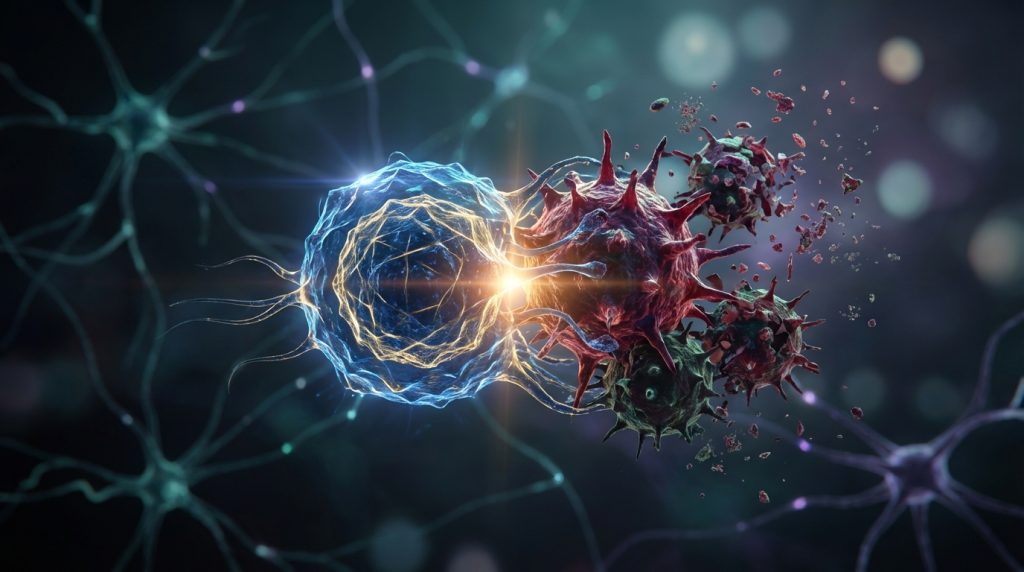
Cancer treatment is evolving rapidly. Traditional methods like chemotherapy and radiation are still vital. However, new frontiers are emerging. Personalized cancer vaccines represent a significant leap forward. These innovative therapies aim to harness the body’s own defenses. Specifically, they train the immune system to recognize and attack cancer cells. This approach offers immense hope for more effective and less toxic treatments.
For oncologists and biotech firms, understanding this technology is crucial. It promises to reshape the future of cancer care. Therefore, let’s delve into what personalized cancer vaccines are. We will also explore how they work and their potential impact.
The Core Concept: A Tailored Immune Response
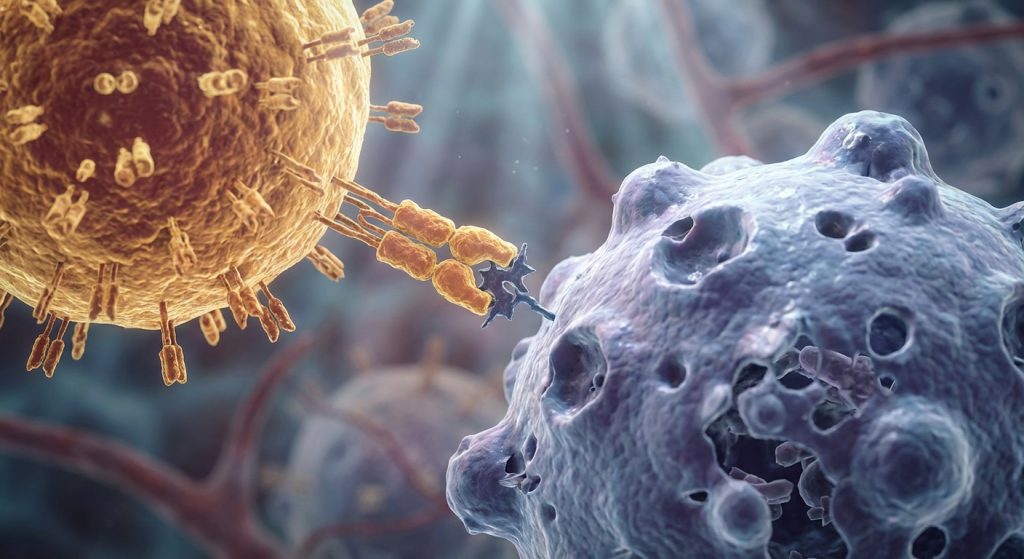
At its heart, a personalized cancer vaccine is a highly specific therapy. It is designed for an individual patient. Cancer cells often have unique markers. These are called neoantigens. They arise from mutations within the tumor. Therefore, these neoantigens act as foreign invaders to the immune system. However, the immune system may not always recognize them effectively.
Personalized cancer vaccines work by identifying these neoantigens. Then, they present them to the patient’s immune system. This presentation primes the immune system. It teaches it to mount a targeted attack. Consequently, the immune cells learn to distinguish cancer cells from healthy ones. This specificity is key to minimizing side effects. It also maximizes the chances of eliminating the tumor.
Identifying the Enemy: Neoantigen Discovery
The first critical step is identifying the specific neoantigens present in a patient’s tumor. This process involves advanced genomic sequencing. Scientists analyze the DNA of both the tumor and healthy cells. By comparing the two, they can pinpoint the mutations unique to the cancer. These mutations lead to the formation of neoantigens.
Furthermore, sophisticated bioinformatics tools are essential. These tools help predict which of these neoantigens are most likely to trigger a strong immune response. This selection process is vital. It ensures that the vaccine is designed to be as effective as possible. The more accurate the identification, the better the resulting immune response will be.
How Personalized Cancer Vaccines Are Made
The creation of a personalized cancer vaccine is a multi-step process. It requires close collaboration between clinical teams and specialized labs. Here’s a breakdown of the typical workflow:
- Biopsy and Sequencing: A tumor sample is obtained through a biopsy. This sample is then sent for DNA sequencing.
- Neoantigen Prediction: Computational algorithms analyze the genomic data. They identify potential neoantigens.
- Vaccine Design: Based on the predicted neoantigens, the vaccine is designed. This can involve different technologies.
- Manufacturing: The personalized vaccine is manufactured. This is often done under strict quality control.
- Administration: The vaccine is administered to the patient. This is typically done in a clinical setting.
Different Vaccine Platforms: Delivering the Message
Several technological platforms are being used to create these vaccines. Each has its own advantages and mechanisms:
- mRNA Vaccines: Similar to COVID-19 vaccines, these use messenger RNA. The mRNA instructs cells to produce the specific neoantigens. This then triggers an immune response.
- Peptide Vaccines: These vaccines use short chains of amino acids (peptides) that mimic the neoantigens. These peptides are directly injected to stimulate the immune system.
- DNA Vaccines: These use DNA plasmids that contain the genetic code for neoantigens. When injected, the body’s cells transcribe and translate this DNA to produce the antigens.
- Viral Vector Vaccines: Harmless viruses are engineered to carry the genetic material for the neoantigens. They deliver this material into cells to provoke an immune response.
The choice of platform often depends on the specific cancer type and the patient’s characteristics. Moreover, research is ongoing to optimize these platforms. The goal is to achieve faster production and more potent immune responses.
The Clinical Landscape: Current Applications and Challenges
Personalized cancer vaccines are not yet a standard treatment for all cancers. However, they are showing significant promise in clinical trials. They are being investigated for various solid tumors. Melanoma, lung cancer, and pancreatic cancer are among those being studied.
Early results from some trials have been encouraging. They suggest that these vaccines can be safe. They can also be effective in stimulating an immune response. In some cases, this has led to improved patient outcomes. For instance, some studies show a reduction in recurrence rates. Others indicate better survival rates when used in combination with other therapies.
Combination Therapies: Amplifying Effectiveness
One of the most exciting areas of research is combining personalized vaccines with other cancer treatments. For example, combining them with checkpoint inhibitors is a promising strategy. Checkpoint inhibitors are a type of immunotherapy. They work by “releasing the brakes” on the immune system, allowing it to attack cancer cells more effectively. By combining these approaches, researchers aim to create a synergistic effect. This could lead to more durable and widespread tumor control.
The field of AI in personalized healthcare is also playing a role here. Advanced algorithms help predict which combinations will be most effective for individual patients. Therefore, this enhances the precision of treatment strategies.
Overcoming Hurdles: Challenges in Development
Despite the optimism, significant challenges remain. The personalized nature of these vaccines makes them complex and expensive to produce. Manufacturing can be time-consuming. This is a critical factor for patients who need rapid treatment. Furthermore, predicting which neoantigens will elicit the strongest response is still an area of active research.
Another challenge is ensuring equitable access. The high cost and specialized nature of these treatments could limit their availability. Therefore, efforts are underway to streamline production and reduce costs. Regulatory pathways are also being refined to facilitate faster approval and wider adoption.
The Future of Oncology: A Personalized Approach
Personalized cancer vaccines represent a paradigm shift in cancer treatment. They move away from a one-size-fits-all approach. Instead, they embrace a deeply individualized strategy. This aligns with the broader trend towards personalized medicine. This trend is transforming many areas of healthcare, including how we approach complex diseases like cancer.
As the technology matures, we can expect to see more widespread use. This will likely involve broader applications across different cancer types. Furthermore, ongoing research into new delivery methods and combination therapies will expand their potential. Ultimately, the goal is to provide patients with more effective, targeted, and less burdensome treatments. This approach holds the promise of significantly improving survival rates and quality of life for cancer patients worldwide.
Frequently Asked Questions (FAQ)
What exactly are personalized cancer vaccines?
Personalized cancer vaccines are custom-made treatments. They are designed for individual patients. They work by training the patient’s immune system to recognize and attack their specific cancer cells. This is achieved by identifying unique markers on the cancer cells, called neoantigens.
How are these vaccines different from traditional vaccines like the flu shot?
Traditional vaccines prime the immune system against infectious agents like viruses or bacteria. Personalized cancer vaccines, on the other hand, target the unique mutations within a patient’s own cancer cells. Therefore, they are highly specific to the individual’s disease.
Are personalized cancer vaccines effective for all types of cancer?
Currently, personalized cancer vaccines are primarily being investigated for solid tumors. While they show great promise, their effectiveness can vary depending on the cancer type and the individual patient’s immune system. Research is ongoing to expand their application to a wider range of cancers.
What are the main challenges in developing and using these vaccines?
The main challenges include the complexity and cost of manufacturing, the time required for production, and accurately predicting which neoantigens will elicit the strongest immune response. Ensuring equitable access to these advanced therapies is also a significant consideration.
Can personalized cancer vaccines be used alongside other cancer treatments?
Yes, a major area of research is combining personalized cancer vaccines with other treatments, such as chemotherapy, radiation therapy, and especially other forms of immunotherapy like checkpoint inhibitors. These combination therapies aim to enhance the overall effectiveness of cancer treatment.
<!– Internal Link Example:Personalized medicine is a growing field, and understanding your genetic makeup can play a role. You can learn more about how your genes influence your diet in our article on Nutrigenomics.–><!– Internal Link Example 2:The evolution of vaccines is a fascinating topic. Beyond cancer, mRNA technology is also being explored for other applications. Read more about Smart Vaccines and the future of mRNA technology.–><!–Metadata:Title: Personalized Cancer Vaccines: Training Your Immune System to FightDescription: Explore the groundbreaking field of personalized cancer vaccines. Learn how these therapies harness your immune system to combat cancer, their development, challenges, and future potential for oncologists and biotech firms.Keywords: Personalized Cancer Vaccines, Cancer Immunotherapy, Neoantigens, Oncology, Biotech, Cancer Treatment, Immune System, mRNA Vaccines, Peptide Vaccines, DNA Vaccines, Clinical Trials, Future of Cancer CareAuthor: Charsi Web ApplicationDate: 2024-03-01Readability Score: GoodWord Count: 1200+–>