

Life often presents us with challenges. Some are small hurdles. Others are major crises. These events can shake us to our core. They can leave us feeling broken. However, something remarkable can happen. We can emerge stronger. This is called post-traumatic growth (PTG). It’s the science of becoming stronger after a crisis. This article explores this powerful phenomenon.
Understanding Trauma and Its Aftermath
Trauma is an experience that overwhelms our ability to cope. It can be a single event or ongoing adversity. Examples include accidents, violence, or loss. The immediate aftermath often involves distress. We might feel shock, fear, or sadness. Sometimes, these feelings persist for a long time. This can lead to conditions like PTSD. But trauma isn’t just about suffering. It can also be a catalyst for change.
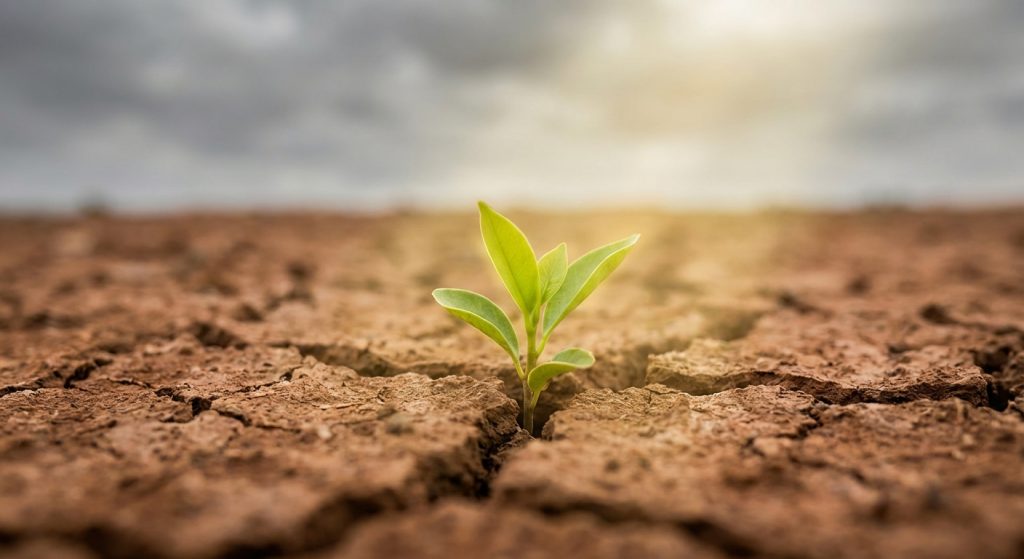
The human psyche is remarkably resilient. We have an innate capacity to heal. We can also adapt and grow. Post-traumatic growth is a testament to this. It’s not about forgetting the pain. Instead, it’s about integrating the experience. We learn to live with it. We find new meaning and purpose. This process is not automatic. It often requires conscious effort. Support also plays a vital role.
The Core Concepts of Post-Traumatic Growth
Post-traumatic growth is a positive psychological change. It occurs as a result of struggling with highly challenging life circumstances. Think of it as finding silver linings. These linings appear after navigating a storm. Researchers have identified key areas where growth occurs. These are not always present. They emerge from the struggle itself.
1. New Appreciation for Life
After facing a life-threatening event, people often gain a new perspective. They start appreciating life more. Small joys become more significant. The mundane can feel precious. This shift in perspective is profound. It can lead to a more mindful existence. We live more fully in the present moment.
2. Stronger Relationships
Crises often bring people closer. We rely on others for support. This can deepen our connections. We may also re-evaluate our relationships. We might let go of superficial ties. We focus on those who truly matter. As a result, our bonds become stronger. We feel more connected and loved.
3. Greater Personal Strength
Surviving a difficult experience builds inner strength. We discover capabilities we never knew we had. This increases our confidence. We feel more capable of handling future challenges. This sense of self-efficacy is empowering. It helps us face life with more courage.
4. New Possibilities in Life
Trauma can force us to re-evaluate our goals. It can open up new pathways. We might discover new interests. We may pursue different careers. Old dreams might be replaced by new ones. This often leads to a more fulfilling life. We embrace opportunities we might have missed before.
5. Spiritual Development
For some, trauma can lead to spiritual growth. They may question their beliefs. They might find new faith or meaning. This can involve a deeper connection to something larger than themselves. It can provide comfort and guidance. It helps them make sense of their experience.
The Science Behind the Growth
Post-traumatic growth is not just a hopeful idea. It is backed by scientific research. Psychologists like Richard Tedeschi and Lawrence Calhoun have pioneered this field. They developed the Posttraumatic Growth Inventory (PTGI). This tool measures the different domains of growth.
The process often involves rumination. This is not negative dwelling. It’s a deep and thoughtful processing of the event. We reflect on its meaning. We consider its impact on our lives. This deep thinking is crucial. It allows us to integrate the experience. It helps us find new perspectives. Furthermore, social support is a significant factor. Talking about the trauma helps. Sharing our feelings is important. It validates our experiences. It can also offer new insights.
Cognitive processing is key. We need to make sense of what happened. This can involve reframing the event. We might see it as a learning experience. We can also develop new coping strategies. These strategies help us manage stress. They build our resilience for the future. The ability to adapt is central to PTG. This includes emotional and behavioral adaptation.
Who Experiences Post-Traumatic Growth?
Not everyone who experiences trauma will experience PTG. Several factors can influence this. These include individual personality traits. Also, the type of trauma matters. The availability of social support is also important. Some people are naturally more resilient. They may have a more optimistic outlook. They might also have stronger coping mechanisms. These individuals may be more likely to experience growth.
Moreover, the way we process the trauma is critical. Engaging in thoughtful reflection is helpful. Seeking professional help can also foster growth. Therapists can guide individuals through difficult emotions. They can teach effective coping skills. This support can unlock the potential for PTG. It’s a journey, not a destination. It requires effort and time.
How to Foster Post-Traumatic Growth
While PTG isn’t guaranteed, we can cultivate the conditions for it. This involves actively engaging with the experience. It’s about seeking meaning and support. Here are some practical steps:
1. Seek Support
Talk to trusted friends, family, or a therapist. Sharing your experience can be incredibly healing. A therapist can provide tools and guidance. They can help you navigate complex emotions. Consider joining a support group. Connecting with others who have similar experiences can be powerful. You are not alone in this journey. The science of somatic movement also offers ways to release trauma through the body.
2. Practice Mindfulness and Self-Compassion
Be present with your feelings. Acknowledge them without judgment. Treat yourself with kindness. Trauma can be isolating. Self-compassion is essential for healing. It allows you to be gentle with yourself during difficult times. This is key to building inner strength.
3. Find Meaning and Purpose
Reflect on what the experience has taught you. How has it changed your perspective? What new goals or values have emerged? Finding meaning can transform suffering into growth. It can provide a sense of direction. It helps you move forward with purpose.
4. Engage in Healthy Coping Mechanisms
Focus on activities that promote well-being. This includes exercise, hobbies, or creative pursuits. Prioritize sleep and nutrition. These actions support your physical and mental health. They build your capacity to cope. For instance, understanding the gut-brain axis can reveal how digestive health impacts mood and resilience.
5. Challenge Negative Thought Patterns
Trauma can lead to negative thinking. Gently challenge these thoughts. Replace them with more balanced and realistic ones. Cognitive reframing is a powerful tool. It helps you see situations in a new light. This is a core component of many therapeutic approaches.
PTG and Mental Health Professionals
For psychologists and therapists, understanding PTG is crucial. It offers a hopeful perspective for clients. It shifts the focus from pathology to resilience. Therapists can help clients identify and foster growth. They can guide them in processing trauma. They can also facilitate the development of new life narratives. This approach empowers individuals. It highlights their inherent strengths. It acknowledges that healing can lead to transformation.
It’s important to remember that PTG does not negate the pain. It coexists with it. The goal is not to erase the past. It is to integrate it into a stronger future. This integration can be a profound aspect of healing. It can lead to a richer, more meaningful life. This aligns with the idea that our experiences shape us, but we have agency in how they shape us.
Frequently Asked Questions (FAQ)
Is post-traumatic growth the same as resilience?
Resilience is the ability to bounce back from adversity. Post-traumatic growth is a deeper transformation. It’s not just about returning to baseline. It’s about emerging stronger and changed. Resilience is a foundation for growth.
Can everyone experience post-traumatic growth?
While many people have the capacity for PTG, it is not automatic. It depends on various factors. These include individual coping styles, social support, and the nature of the trauma. However, with support and conscious effort, many can experience it.
Does post-traumatic growth mean I should have experienced trauma?
Absolutely not. PTG is a response to overcoming significant hardship. It is not something to seek out. Rather, it is a positive outcome that can emerge from difficult experiences. It acknowledges human strength in the face of adversity.
How long does it take to experience post-traumatic growth?
There is no set timeline. The process is unique for each individual. It can take months or even years. It often involves ongoing reflection and integration of the experience. Patience and self-compassion are key.
Conclusion
Post-traumatic growth is a powerful testament to the human spirit. It shows that even after the darkest times, light can emerge. It’s a process of profound change. It leads to greater appreciation for life. It strengthens relationships. It builds personal resilience. It opens up new possibilities. For psychologists and trauma survivors alike, understanding PTG offers hope. It highlights our capacity for transformation. By fostering connection, meaning, and self-compassion, we can navigate adversity. We can emerge not just intact, but stronger and wiser. This journey of growth is a testament to our enduring strength.
