Stem Cell Banking: Secure Your Future Health at Birth
Published on February 5, 2026 by Admin
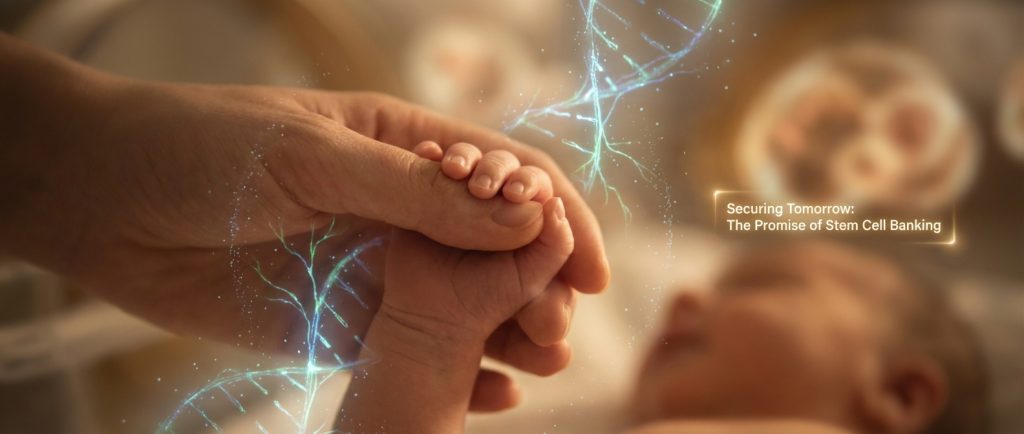
Welcoming a new life is a profound experience. It brings immense joy and a deep sense of responsibility. As expectant parents, you’re focused on providing the best start for your child. This includes their health and well-being. Have you considered a powerful tool for future health security? Stem cell banking offers just that. It’s a decision that can impact your family’s health for generations. This article explains stem cell banking for parents and researchers alike.
Understanding Stem Cells
Firstly, let’s understand what stem cells are. They are unique cells in the body. They have the remarkable ability to develop into many different cell types. Furthermore, they can repair damaged tissues. Think of them as the body’s master cells. They are the building blocks for all organs and tissues. Stem cells are crucial during development. They also play a vital role in adult bodily repair. Therefore, their potential is immense.
Types of Stem Cells
There are several types of stem cells. Embryonic stem cells are highly versatile. However, their use is ethically debated. Adult stem cells are found in various tissues. These include bone marrow, fat, and blood. They are more specialized than embryonic stem cells. However, they are still very valuable for therapeutic purposes. Finally, induced pluripotent stem cells (iPSCs) are created in a lab. They are made from adult cells. They mimic embryonic stem cells.
What is Stem Cell Banking?
Stem cell banking involves collecting and storing stem cells. These are typically collected from the umbilical cord blood. This blood is rich in powerful hematopoietic (blood-forming) and mesenchymal stem cells. The collection happens right after birth. Therefore, it’s a one-time opportunity. The collected stem cells are then processed. They are carefully stored in a specialized cryobank. This ensures their viability for many years. This process is also known as cord blood banking.

The Collection Process
The collection is a simple procedure. It happens after the baby is born. The umbilical cord is clamped and cut. Then, a medical professional collects blood from the umbilical cord. This is done using a special collection kit. The process is painless for both mother and baby. It does not interfere with the delivery. Therefore, it’s a safe and straightforward step.
Storage and Longevity
Once collected, the stem cells are transported to a laboratory. Here, they undergo rigorous testing. This includes checks for infectious diseases. They are also tested for stem cell viability. After processing, they are cryogenically preserved. This means they are stored at extremely low temperatures. This can be for decades, potentially 20 years or more. Therefore, they are available for future use.
Why Bank Your Baby’s Stem Cells?
The primary reason for stem cell banking is its therapeutic potential. Stem cells are being researched for treating a wide range of diseases. This is a rapidly advancing field. For example, they are already used to treat certain cancers. They are also used for blood disorders and immune deficiencies. The hope is that future medical breakthroughs will unlock even more applications. Therefore, banking these cells offers a proactive approach to health.
Current and Future Medical Applications
Currently, stem cells from cord blood are used in over 80 medical conditions. These include leukemia, lymphoma, and thalassemia. They are also used for severe anemia and certain metabolic disorders. Researchers are actively investigating their use in treating conditions like cerebral palsy, type 1 diabetes, and heart disease. For instance, studies are exploring their role in repairing damaged spinal cords. Moreover, they are being studied for their potential in regenerative medicine. This is a field that aims to repair or replace damaged tissues and organs. The possibilities are truly exciting.
Personalized Medicine
Stem cells from your child offer a perfect match. They are genetically identical to your child. This eliminates the risk of rejection. This is a significant advantage over donor stem cells. Therefore, if your child ever needs a stem cell transplant, their own stored cells are the ideal option. This is a cornerstone of personalized medicine. It ensures the most effective and safest treatment. You can learn more about personalized medicine and its role in tailoring treatments.
Public vs. Private Stem Cell Banking
There are two main options for stem cell banking: public and private. Public banking involves donating your baby’s cord blood. It is stored anonymously. It is then available for use by any patient in need. This is a generous act of altruism. However, you cannot reserve these cells for your own family. Private banking, on the other hand, is done through a commercial company. You pay a fee for collection and storage. Your child’s stem cells are then exclusively reserved for your family’s use. Therefore, the choice depends on your priorities.
Public Banking: An Altruistic Choice
Donating to a public cord blood bank is a noble decision. It helps patients who have no other match. Many public banks exist globally. They play a crucial role in saving lives. However, it’s important to note that donated units are not guaranteed for your own family. This is because they are allocated based on medical need and compatibility.
Private Banking: Family-Focused Security
Private banking offers a sense of security. It ensures that your child’s stem cells are available should a need arise within the family. This comes with costs for collection, processing, and annual storage fees. Therefore, it is an investment in your family’s future health. It’s wise to research different private banks. Compare their services, accreditations, and pricing structures.
Considerations for Expectant Parents
Deciding to bank stem cells is a significant choice. It requires careful consideration. Here are some key factors to think about:
- Medical History: Discuss your family’s medical history with your doctor. Certain genetic conditions might influence the decision.
- Cost: Private banking involves upfront and ongoing fees. Understand the financial commitment involved.
- Accreditation: Ensure the chosen bank is accredited by reputable organizations. This guarantees quality and safety standards.
- Ethical Considerations: Reflect on your personal beliefs regarding stem cell use.
- Long-Term Commitment: Stem cell storage is a long-term commitment. Understand the company’s policies on storage duration and potential emergencies.
The Role of Stem Cells in Research
Beyond direct therapeutic use, stem cells are invaluable research tools. Scientists use them to study disease development. They can model diseases in a lab. This helps in understanding how illnesses progress. Furthermore, stem cells are crucial for drug discovery. They allow researchers to test new medications. This is done without involving human subjects initially. This accelerates the development of new treatments. It also helps identify potential side effects early on. For example, stem cells are vital in studying conditions like Alzheimer’s and Parkinson’s. Their ability to differentiate into specific cell types makes them ideal for this work. The advancements in understanding regenerative medicine are largely driven by stem cell research.
Advancing Regenerative Medicine
Regenerative medicine is a frontier of healthcare. It aims to repair damaged tissues and organs. Stem cells are central to this field. They can be coaxed to grow into specific cell types. For instance, they can become heart cells or nerve cells. This holds promise for treating conditions caused by tissue damage. Examples include heart attacks, spinal cord injuries, and degenerative diseases. The potential to heal the body from within is revolutionary.
Understanding Disease Mechanisms
Many diseases have complex origins. Stem cells help researchers unravel these mechanisms. By growing specific cell types affected by a disease, scientists can observe its progression. They can identify the cellular and molecular changes involved. This knowledge is critical for developing targeted therapies. For example, studying stem cells derived from patients with genetic disorders provides insights into the disease’s root cause. This research is fundamental to finding cures. It is also key to developing preventative strategies. The ongoing exploration into epigenetics, which studies how lifestyle and environment affect gene expression, also benefits greatly from stem cell research.
Frequently Asked Questions (FAQ)
Is stem cell banking safe?
Yes, the collection of cord blood stem cells is a safe procedure. It is performed after the baby is born and does not pose any risk to the mother or child. The storage process is also highly regulated and conducted in sterile environments.
How long can stem cells be stored?
With modern cryogenic storage techniques, stem cells can be preserved for decades, potentially 20 years or more, while retaining their viability and therapeutic potential.
What is the difference between cord blood and cord tissue banking?
Cord blood banking primarily collects hematopoietic stem cells. Cord tissue banking collects mesenchymal stem cells, which have different therapeutic applications. Some companies offer both services.
Can my family use my child’s stored stem cells?
Yes, if you choose private stem cell banking, your child’s cells are reserved for your family’s exclusive use. They can potentially be used for your child or other family members, provided there is a genetic match.
Are there any risks associated with using stored stem cells?
When using your own child’s or a genetically matched family member’s stem cells, the risk of rejection is very low. However, as with any medical procedure, there are always some inherent risks, which your medical team will discuss with you.
Conclusion
Stem cell banking is a forward-thinking decision. It offers a potential lifeline for future health challenges. For expectant parents, it is an opportunity to invest in their child’s long-term well-being. For medical researchers, stem cells represent a cornerstone of future medical advancements. Understanding the science behind stem cells and the banking process empowers you to make an informed choice. Therefore, consider this option as you prepare for your baby’s arrival. It’s a gift of potential health for years to come.