
The Future of Fertility: Egg Freezing & Artificial Wombs
Published on February 5, 2026 by Admin
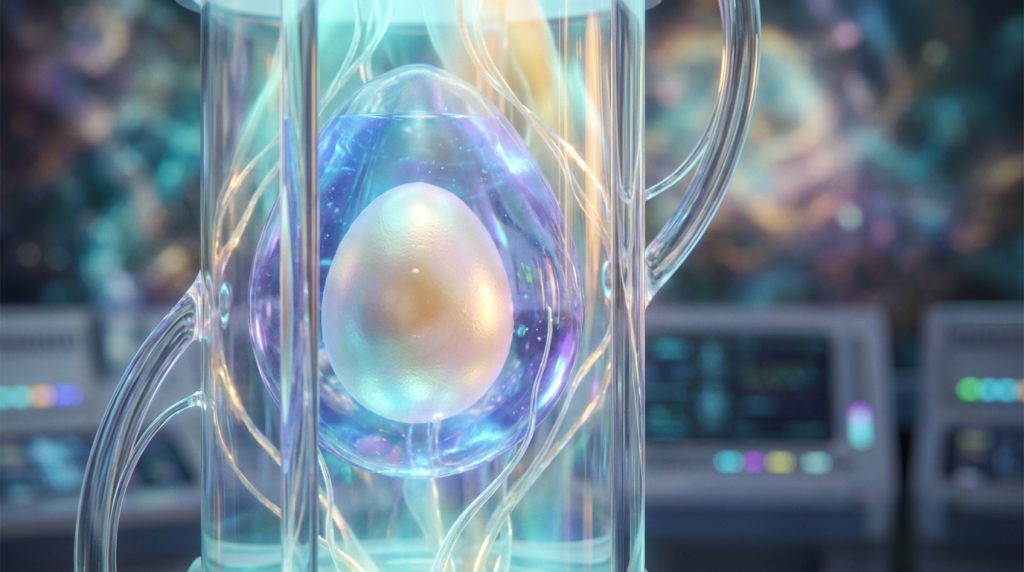
The landscape of human reproduction is rapidly evolving. New technologies are emerging. These innovations offer unprecedented control over fertility. They also raise profound ethical questions. For career-focused professionals and bioethicists, understanding these advancements is crucial. Egg freezing and artificial wombs represent significant shifts. Let’s explore their potential impact.
Egg Freezing: Empowering Reproductive Choices
Egg freezing, or oocyte cryopreservation, is no longer experimental. It is a well-established medical procedure. Many women now consider it. This is often due to career aspirations. They may wish to delay childbearing. Therefore, it allows them to preserve their fertility. They can pursue education or career goals. Later, they can use their frozen eggs. This is for conception when they feel ready.
The Process and Its Implications
The process involves ovarian stimulation. This is followed by egg retrieval. Then, the eggs are frozen. This is done using vitrification. It’s a rapid freezing method. It preserves egg viability. Success rates have improved significantly. However, it’s not a guarantee of pregnancy. It is also an investment of time and money.
For bioethicists, this technology brings up questions. What are the long-term effects of delayed childbearing? How does it impact societal structures? Furthermore, access and affordability are key concerns. This technology is often expensive. Thus, it may not be accessible to everyone.

Moreover, the decision to freeze eggs is personal. It requires careful consideration. It involves understanding the medical risks. It also involves understanding the emotional aspects. Many women appreciate the agency it offers. It provides a sense of control over their reproductive future.
Artificial Wombs: A Revolutionary Concept
Artificial wombs, or ectogenesis, are more futuristic. They are still largely in development. However, the concept is groundbreaking. It refers to gestation outside the human body. This would be in an artificial environment. This technology could transform how we approach pregnancy.
Potential Benefits and Ethical Dilemmas
The potential benefits are vast. It could help premature infants. They might survive outside the womb. It could also offer solutions for infertility. Women unable to carry a pregnancy could still have children. Furthermore, it could potentially reduce risks associated with pregnancy. This is for both mother and child. For instance, it could bypass complications like preeclampsia. It could also reduce the physical toll of gestation.
However, the ethical considerations are immense. What defines motherhood in this context? Is it biological connection or gestational experience? Furthermore, what are the psychological impacts on children born this way? There are also concerns about commodification of life. The potential for misuse is also a significant worry. Therefore, careful ethical frameworks are needed.
Some research has shown success in animal models. For example, lamb fetuses have been supported in artificial environments. This shows promising progress. Yet, human application is still a long way off. Significant scientific and technical hurdles remain. Moreover, regulatory bodies would need to approve such a technology. This would involve extensive safety testing. It would also involve ethical review.
Societal and Career Implications
These reproductive technologies have far-reaching implications. For career-focused professionals, egg freezing offers flexibility. It allows for better career planning. It decouples career progression from biological clock pressures. This can lead to a more balanced professional and personal life. However, it also shifts the societal narrative around family building. It might normalize later parenthood. This could impact workplace policies. For example, parental leave policies might need adjustments.
Bioethicists must consider the societal impact. How will these technologies affect family structures? Will they exacerbate or alleviate social inequalities? For instance, access to these technologies could create a new divide. Those who can afford them may have more reproductive options. This could lead to disparities.
Furthermore, the concept of “natural” versus “artificial” reproduction is being challenged. This raises philosophical questions. It also touches upon deeply held beliefs about life. The increasing technological control over reproduction demands careful societal dialogue. It requires input from various stakeholders.
The Role of Bioethics
Bioethics plays a vital role here. It provides a framework for navigating complex issues. It helps to anticipate potential consequences. It also guides responsible innovation. For bioethicists, key questions include:
- Ensuring equitable access to these technologies.
- Defining the ethical boundaries of artificial reproduction.
- Protecting the rights and well-being of all individuals involved.
- Considering the potential impact on future generations.
- Addressing concerns about the commodification of human life.
Moreover, bioethicists contribute to public discourse. They help inform policy decisions. They also educate the public. This ensures that these powerful technologies are developed and used ethically. The development of regenerative medicine, for example, shares some common ethical ground.
Future Directions and Considerations
The future of fertility is likely to involve more personalized approaches. Genetic screening and advanced reproductive techniques will continue to evolve. Artificial wombs, while distant, represent a potential paradigm shift. They could redefine gestation entirely. Therefore, continuous ethical reflection is necessary.
As professionals and bioethicists, we must remain informed. We need to engage with these developments. We must consider the broader societal implications. This ensures that progress serves humanity. It also upholds ethical principles. The advancements in areas like AI in personalized healthcare also highlight the increasing integration of technology into human well-being.
Frequently Asked Questions (FAQ)
What is egg freezing and who is it for?
Egg freezing is a medical procedure to preserve a woman’s eggs. It allows her to delay childbearing. It is often chosen by women who wish to focus on their careers. They might also have medical reasons, like undergoing cancer treatment. It gives them more control over their reproductive timeline.
What are the success rates of egg freezing?
Success rates vary. They depend on factors like age at freezing and the number of eggs retrieved. Generally, younger women have higher success rates. The technology has improved, making it more effective. However, it is not a guarantee of a future pregnancy.
Is artificial womb technology (ectogenesis) available now?
No, artificial womb technology is not currently available for human use. While there has been progress in animal models, human ectogenesis is still in the experimental stages. Significant scientific and ethical challenges need to be overcome.
What are the main ethical concerns surrounding artificial wombs?
Major ethical concerns include defining motherhood, the psychological impact on children, potential commodification of life, equitable access, and the risk of misuse. Bioethicists are actively discussing these complex issues.
How might egg freezing impact a woman’s career?
Egg freezing can empower women to delay childbirth. This allows them to pursue higher education and career advancement without the immediate pressure of biological timing. It offers greater flexibility in life planning.
Conclusion
The future of fertility is being shaped by incredible technological advancements. Egg freezing offers immediate benefits for reproductive autonomy. Artificial wombs, while further off, promise revolutionary possibilities. Both technologies demand careful consideration. They require thoughtful ethical debate. As bioethicists and career-focused professionals, understanding these frontiers is essential. It allows us to navigate the future of reproduction responsibly. This ensures that innovation serves human well-being. It also upholds our ethical commitments.
