
The Gut-Brain Axis: Your Digestion Dictates Your Mood
Published on February 5, 2026 by Admin
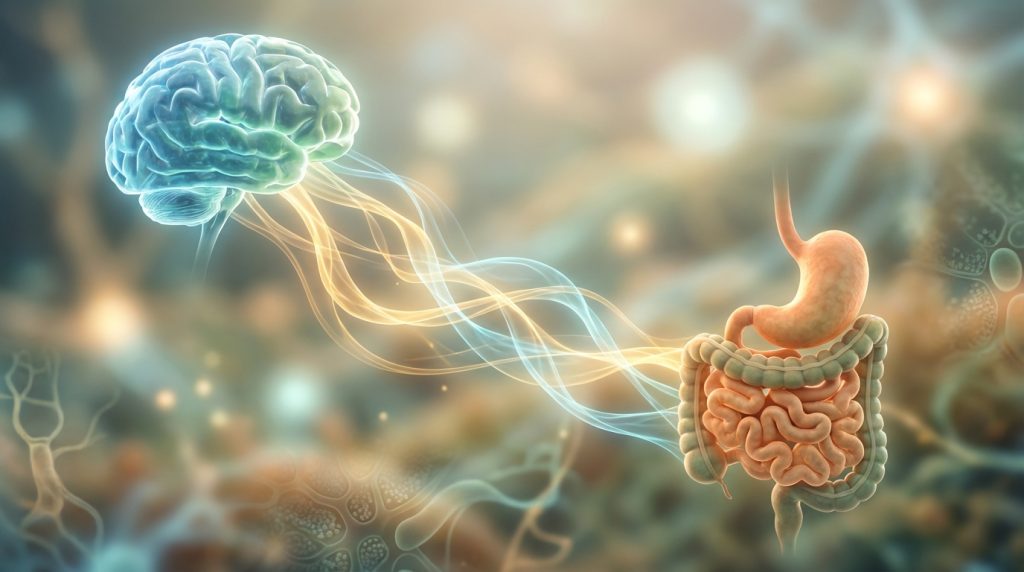
Have you ever felt a flutter of nerves before a big event? Or perhaps experienced a wave of sadness after a stressful day? These feelings often seem to originate in our minds. However, a growing body of research points to a surprising connection: our gut health plays a significant role in our mental state. This intricate communication network is known as the gut-brain axis. It’s a two-way street, meaning your digestive system influences your brain, and your brain, in turn, affects your digestion. Understanding this connection can unlock powerful strategies for improving both your physical and mental well-being.
In essence, what happens in your gut doesn’t stay in your gut. It can profoundly impact your mood, stress levels, and even cognitive function. Therefore, paying attention to your digestive health is crucial for overall wellness.
Understanding the Gut-Brain Connection
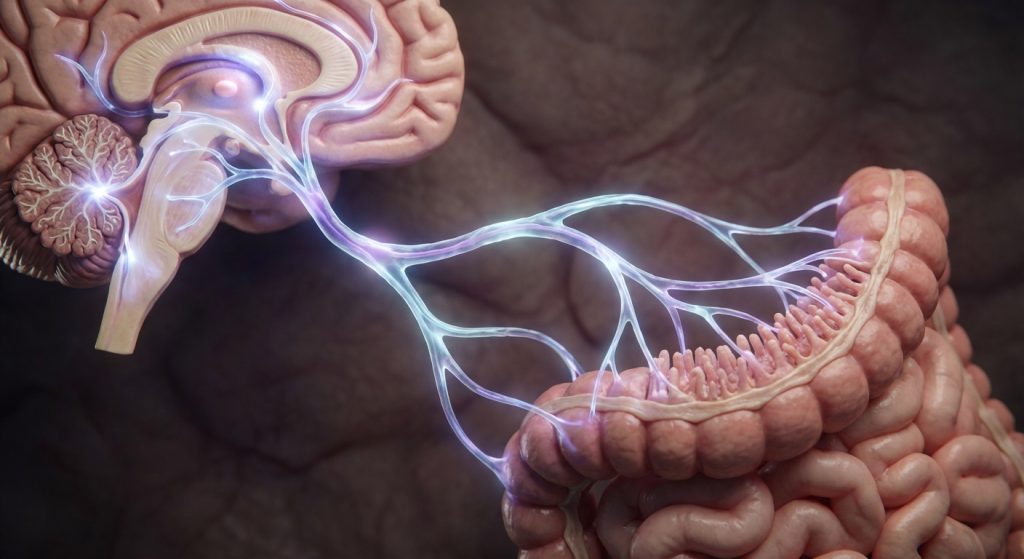
The gut-brain axis is a complex system. It involves the central nervous system (brain and spinal cord) and the enteric nervous system (ENS), which resides in the gut wall. These two systems are constantly communicating. This communication happens through various pathways. These include the vagus nerve, hormones, and neurotransmitters. It’s a constant dialogue that influences everything from appetite to emotions.
For instance, the ENS is often called the “second brain.” It can operate independently of the central nervous system. This means it can control digestion on its own. However, it also sends signals to the brain. These signals can affect mood and behavior. Therefore, a healthy gut is vital for a healthy mind.
The Gut Microbiome: Your Inner Ecosystem
A key player in the gut-brain axis is the gut microbiome. This refers to the trillions of microorganisms, including bacteria, viruses, and fungi, that live in your digestive tract. These microbes are not just passive residents. They actively perform essential functions. For example, they help digest food. They also produce vitamins. Furthermore, they train your immune system. Crucially, they produce neurochemicals that influence your brain.
These microbes produce about 90% of the body’s serotonin. Serotonin is a neurotransmitter linked to mood regulation. Imbalances in the gut microbiome, known as dysbiosis, can therefore lead to mood disorders. This includes anxiety and depression. Indeed, studies have shown differences in the gut bacteria of individuals with mental health conditions compared to healthy individuals.
A diverse and balanced microbiome is essential. It supports optimal gut function and brain health. Conversely, a disrupted microbiome can trigger inflammation. This inflammation can reach the brain. It can then contribute to mood disturbances. This highlights the importance of nurturing your inner ecosystem. You can do this through diet and lifestyle choices.
How Digestive Health Impacts Mental State
The connection between your gut and your brain is multifaceted. Several mechanisms explain how digestive health dictates your mental state. Let’s explore some of the most significant ones.
Neurotransmitter Production
As mentioned, gut bacteria are crucial for producing neurotransmitters. These chemical messengers transmit signals between nerve cells. Serotonin, often called the “happy hormone,” is largely produced in the gut. When your gut bacteria are out of balance, serotonin production can be affected. This can lead to feelings of sadness or low mood. Similarly, GABA (gamma-aminobutyric acid), which promotes relaxation, is also influenced by gut microbes. Therefore, a healthy gut supports balanced neurotransmitter levels.
Other neurotransmitters like dopamine and norepinephrine are also produced or influenced by gut bacteria. These play roles in pleasure, motivation, and alertness. Consequently, gut health directly impacts these vital functions. This connection is fundamental to understanding mood regulation.
Inflammation and the Gut Barrier
An unhealthy gut can lead to increased intestinal permeability, often called “leaky gut.” This occurs when the gut lining becomes damaged. It allows undigested food particles, toxins, and bacteria to enter the bloodstream. This triggers an immune response and systemic inflammation. This inflammation is not confined to the gut. It can travel to the brain.
Brain inflammation, or neuroinflammation, is strongly linked to various mental health issues. These include depression, anxiety, and even neurodegenerative diseases. Therefore, maintaining a strong gut barrier is essential. It prevents inflammatory triggers from reaching the brain. It helps protect cognitive function and emotional stability.
The Vagus Nerve Connection
The vagus nerve is a major communication highway between the brain and the gut. It transmits signals in both directions. Gut microbes can influence the vagus nerve. They can do this by releasing metabolites. These metabolites then signal the brain. This pathway is vital for regulating stress responses and mood. It also plays a role in digestion and satiety. For example, stimulating the vagus nerve can help reduce anxiety. This highlights its importance in the gut-brain axis.
The vagus nerve’s bidirectional communication means that stress can also impact the gut. It can slow digestion and alter gut motility. This creates a feedback loop. Therefore, managing stress is important for gut health, and vice versa.
Nutrient Absorption and Brain Function
Your gut is responsible for absorbing essential nutrients. These nutrients are vital for brain health and function. For instance, B vitamins, omega-3 fatty acids, and minerals like zinc and magnesium are crucial for cognitive processes and mood regulation. If your gut is not absorbing these nutrients effectively due to poor digestive health, your brain function can suffer. This can manifest as poor concentration, fatigue, and irritability.
Furthermore, the gut is involved in the metabolism of certain nutrients. It converts them into forms the body can use. For example, it helps convert tryptophan into serotonin. Therefore, optimal digestion is directly linked to optimal brain nutrition. This underscores the importance of a healthy digestive system for cognitive vitality.
Signs of a Disrupted Gut-Brain Axis
Recognizing the signs of an imbalanced gut-brain axis is the first step towards healing. You might experience a combination of digestive and mental health symptoms. Common indicators include:
- Digestive issues like bloating, gas, constipation, or diarrhea.
- Changes in appetite or cravings for unhealthy foods.
- Increased feelings of anxiety or worry.
- Symptoms of depression, such as persistent sadness or loss of interest.
- Difficulty concentrating or “brain fog.”
- Irritability and mood swings.
- Unexplained fatigue.
- Skin conditions like acne or eczema, which can be linked to gut inflammation.
If you experience these symptoms regularly, it’s worth exploring your gut health. It could be a key factor contributing to your mental state. Consulting a healthcare professional is always recommended for a proper diagnosis.
Strategies for Nurturing Your Gut-Brain Axis
Fortunately, you can take proactive steps to improve your gut health and, by extension, your mental well-being. Focus on a holistic approach that includes diet, lifestyle, and stress management.
Dietary Adjustments
What you eat has a profound impact on your gut microbiome and brain health. Consider these dietary strategies:
- Increase Fiber Intake: Fiber feeds beneficial gut bacteria. Include plenty of fruits, vegetables, whole grains, and legumes in your diet.
- Incorporate Fermented Foods: Foods like yogurt, kefir, sauerkraut, and kimchi are rich in probiotics. These beneficial bacteria can help restore gut balance.
- Choose Healthy Fats: Omega-3 fatty acids found in fatty fish, flaxseeds, and walnuts are beneficial for both gut and brain health.
- Limit Processed Foods and Sugar: These can feed harmful bacteria and promote inflammation. They can disrupt the gut microbiome.
- Stay Hydrated: Water is essential for digestion and overall bodily functions. Proper hydration supports a healthy gut environment.
For example, a diet rich in diverse plant fibers promotes a more robust and varied gut microbiome. This diversity is linked to better mental resilience. You can learn more about the impact of diet on your internal ecosystem by exploring resources on microbiome diversity and diet patterns.
Lifestyle Factors
Beyond diet, several lifestyle choices are crucial:
- Regular Exercise: Physical activity can positively influence gut bacteria composition and reduce inflammation. It also has direct benefits for mood. For instance, high-intensity interval training can be particularly effective.
- Adequate Sleep: Poor sleep can negatively impact gut health and mood. Aim for 7-9 hours of quality sleep per night.
- Stress Management: Chronic stress wreaks havoc on the gut-brain axis. Practice relaxation techniques like meditation, deep breathing, or yoga. Engaging in nature therapy can also significantly lower stress hormones.
- Mindful Eating: Slow down and savor your meals. This aids digestion and can improve your relationship with food.
Taking time for activities that reduce stress is paramount. For example, practices like mindful breathing can have an immediate calming effect. You can explore various holistic stress management pathways to find what works best for you.
Probiotics and Prebiotics
Probiotics are live beneficial bacteria. They can be consumed through supplements or fermented foods. They help to repopulate the gut with healthy microbes. Prebiotics are non-digestible fibers. They act as food for these beneficial bacteria. Examples include garlic, onions, and bananas. Using both probiotics and prebiotics can effectively support a healthy gut microbiome.
It’s important to note that not all probiotics are created equal. Choosing the right strain for your specific needs is key. You can find guidance on selecting the right probiotic strain.
The Gut-Brain Axis and Specific Conditions
The influence of the gut-brain axis extends to various health conditions:
- Irritable Bowel Syndrome (IBS): Often considered a disorder of the gut-brain axis, IBS symptoms can be triggered or worsened by stress.
- Depression and Anxiety: As discussed, gut dysbiosis and inflammation are increasingly linked to these mood disorders.
- Autism Spectrum Disorder (ASD): Many individuals with ASD experience gastrointestinal issues. Research suggests a connection between gut bacteria and ASD symptoms.
- Parkinson’s Disease: Emerging research indicates that gut inflammation might play a role in the development of Parkinson’s disease.
Understanding these connections can lead to more integrated treatment approaches. This often involves addressing both gut and mental health concerns simultaneously. For example, exploring gut-brain axis wellness strategies can be beneficial for many conditions.
Conclusion: Prioritizing Your Gut for a Happier Mind
The gut-brain axis is a testament to the interconnectedness of our bodies. Your digestive health is not separate from your mental health. It is intrinsically linked. By nurturing your gut microbiome and digestive system, you are actively investing in your mood, cognitive function, and overall emotional well-being. Embracing a gut-friendly lifestyle is a powerful step towards a healthier, happier you.
In conclusion, prioritize a balanced diet rich in fiber and fermented foods. Manage stress effectively. Ensure you get adequate sleep. These simple yet profound changes can create a positive ripple effect throughout your entire system. Your gut will thank you, and your mind will too.
Frequently Asked Questions (FAQ)
What is the gut-brain axis?
The gut-brain axis is a complex bidirectional communication system that connects the central nervous system (brain and spinal cord) with the enteric nervous system (in the gut). It influences digestion, mood, and behavior.
How do gut bacteria affect mood?
Gut bacteria produce neurotransmitters like serotonin and GABA, which are crucial for mood regulation. Imbalances in gut bacteria can disrupt neurotransmitter production, potentially leading to anxiety and depression.
What is “leaky gut” and how does it affect the brain?
“Leaky gut” refers to increased intestinal permeability, where the gut lining becomes damaged. This allows toxins and undigested particles to enter the bloodstream, triggering inflammation that can reach the brain and contribute to neuroinflammation and mood disorders.
What are good foods for gut health?
Foods rich in fiber (fruits, vegetables, whole grains), fermented foods (yogurt, sauerkraut), and healthy fats (fatty fish, nuts) are excellent for gut health. Limiting processed foods and sugar is also important.
Can stress really affect my digestion?
Yes, stress significantly impacts the gut-brain axis. It can slow digestion, alter gut motility, and increase inflammation, leading to digestive discomfort and potentially worsening existing gut conditions.
